
The shift from monolithic legacy architectures to software-as-a-service platforms introduces a complex testing surface that encompasses data migration, API integrations, and regional configurations. As financial institutions move toward these cloud-native environments, the traditional methods of
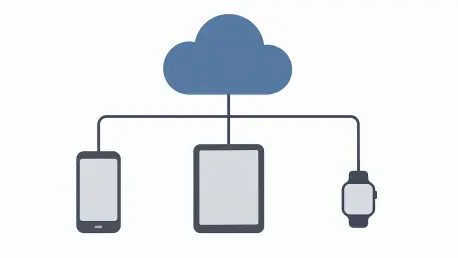
Google has significantly reduced the free storage tier for new accounts to a mere five gigabytes, creating an immediate bottleneck for shared data. This transition marks a fundamental shift in how the Android operating system interacts with the cloud, moving away from a model that once prioritized

Deploying a twenty-gigabyte Large Language Model into a high-traffic production cluster without a specialized strategy is like trying to fuel a commercial jet engine with a standard garden hose. Modern Large Language Models (LLMs) have moved from research labs into the heart of enterprise

The gap in modern security is rarely an intent to secure systems but rather the difficulty of running just-in-time workflows at enterprise scale. As digital ecosystems expand into a complex mesh of hybrid cloud environments and distributed workforces, the traditional methods of managing access have

Establishing layers of defense, such as network segmentation and endpoint detection, is required because perfect asset discovery remains an impossible goal in complex environments. This fundamental reality dictates that security architectures must be designed with the assumption that unknown

Amazon has transitioned to a negative trailing free cash flow position following a quarterly capital spend of fifty-three billion dollars to fund its global infrastructure build-out. This massive financial pivot reflects a broader industry trend where the theoretical potential of artificial