
Surging demand for AI assurance has reshaped the competitive landscape of the automated software quality market as companies seek more resilient validation tools. Software engineering teams are moving beyond the era of static test scripts that break with every minor user interface change or dynamic

In the high-stakes theater of modern enterprise technology, the initial excitement surrounding simple large language models has transitioned into a complex logistical struggle for control over sprawling agentic ecosystems. While the industry previously celebrated the ability of a single model to

SAP faces the challenge of converting its record-breaking cloud backlog into sustained revenue while navigating a €100 million dip in profit guidance. This paradoxical situation occurs at a pivotal moment when the enterprise software giant is pivoting its entire business model toward a cloud-first

Relying on large language models to write test cases based on requirements often exacerbates the noise in a system without providing any insight into why those tests eventually fail. This has become a central challenge for software engineering teams who find themselves buried under a mountain of

Traditional static application security testing tools often burden engineering teams with excessive false positives, creating significant friction during rapid deployment cycles. This inefficiency has forced developers to waste hours triaging non-existent threats, which leads to alert fatigue. As

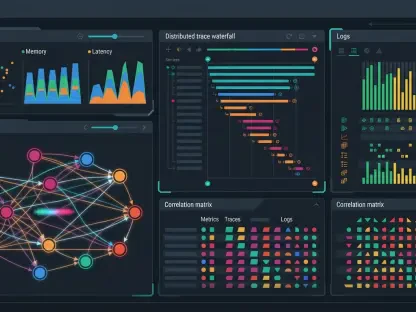
Software solutions currently dominate the digital infrastructure landscape, accounting for approximately 76.5 percent of the global revenue generated by monitoring technologies. This significant market share highlights a pivotal shift in how enterprises approach system reliability, moving away from