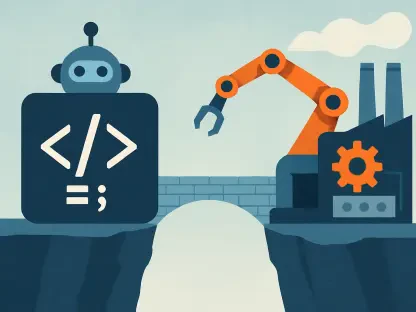

The saturation of the mobile application marketplace has forced a pivot from simple aesthetic design toward deep-tier architectural integrity, where success is defined by how well a system survives massive user influxes rather than just how it looks on a screen. In 2026, the strategic landscape for

The current cybersecurity landscape has shifted dramatically as sophisticated threat actors prioritize long-term intelligence gathering over immediate, loud-scale disruption of digital infrastructures. Centralized platforms that facilitate the modern software development lifecycle, particularly

The transition of Retrieval-Augmented Generation from experimental research to a foundational enterprise technology has fundamentally redefined how businesses interact with their proprietary internal data. While early iterations of these systems primarily served as proof-of-concept demonstrations,

The assumption that upgrading internal tooling invariably results in higher efficiency has been challenged by recent developments in how autonomous systems handle complex software engineering tasks. While software engineering often operates on the foundational belief that superior tools lead to

The enterprise communication sector has long been dominated by a handful of proprietary giants, but the inherent risks of centralized data storage have finally pushed the industry toward a much-needed transformation. For too long, organizations have been forced to accept the binary choice between
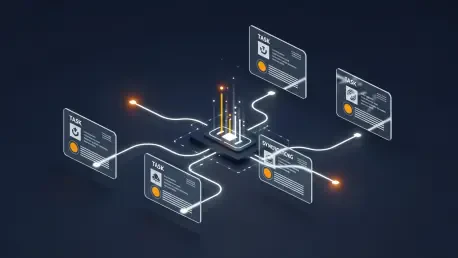
The sheer volume of pull requests currently flooding modern repositories has turned the once-steady stream of software updates into a chaotic deluge that threatens to overwhelm even the most disciplined engineering teams. With AI-assisted coding tools enabling developers to generate massive blocks