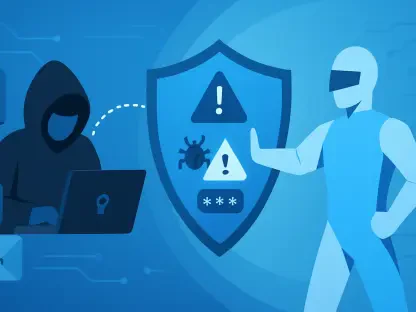

The integration of device compliance standards ensures that only hardware meeting specific security benchmarks can interact with protected corporate cloud environments. This fundamental shift marks the end of the traditional "castle-and-moat" security model, which has become functionally obsolete

The gap in modern security is rarely an intent to secure systems but rather the difficulty of running just-in-time workflows at enterprise scale. As digital ecosystems expand into a complex mesh of hybrid cloud environments and distributed workforces, the traditional methods of managing access have

The implementation of a smartphone-based entry system has effectively restricted access to high-traffic communal areas to authorized residents only. Student housing managers have long grappled with the logistical nightmare of physical keys and the constant threat of unauthorized intruders
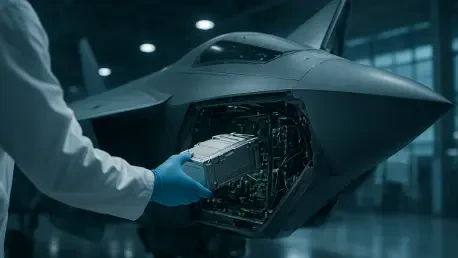
Engineers are now integrating Hardware Root of Trust functions as an immutable security anchor to validate firmware before any software is allowed to execute. This foundational shift reflects a broader evolution in the theater of modern warfare, where the distinction between a physical kinetic

The rapid expansion of fiber-to-the-home connectivity has created a massive footprint for specialized networking equipment, yet the underlying security of these devices remains a critical point of failure. Internet service providers are currently facing a significant challenge as five distinct

Setting hard limits on mutating API calls prevents autonomous systems from making unauthorized changes to sensitive records or proprietary databases. As the corporate world moves rapidly from human-led software operations to the deployment of autonomous artificial intelligence agents, the technical