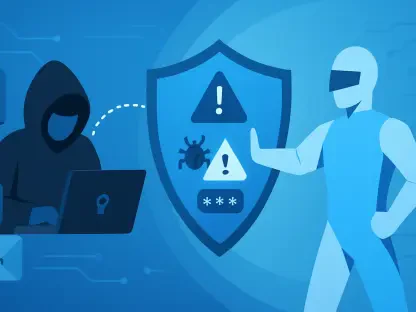

The rapid acceleration of software delivery cycles has fundamentally transformed the digital landscape, making the integration of security into the development process an absolute necessity rather than an optional safeguard. Modern DevSecOps focuses on a "security-first" architecture where
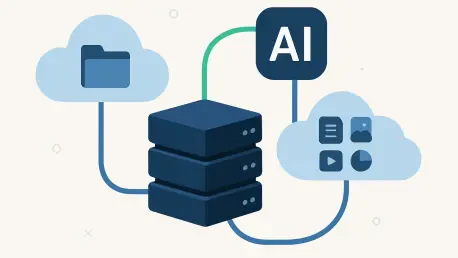
Modern enterprises are currently struggling to navigate a paradox where they possess vast oceans of unstructured data but remain unable to feed this intelligence into generative AI models without compromising security or architectural integrity. This gap often leads to fragmented silos where
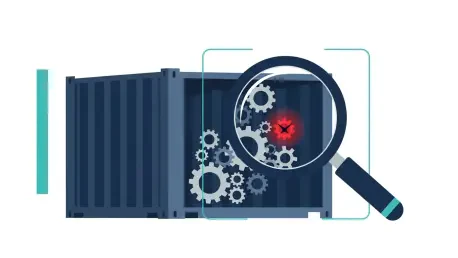
The vulnerability of the modern AI development stack was laid bare this week as one of the most trusted libraries in the deep learning ecosystem became a vector for sophisticated credential theft. Developers utilizing the popular Lightning framework for training and deploying large-scale neural
The rapid transition from simple chat-based interfaces to sophisticated agentic systems has redefined the boundaries of how developers and scientists interact with large language models in their daily workflows. Unlike the previous generation of artificial intelligence tools that required constant

The rapid evolution of modern software development infrastructure has made centralized platforms like GitLab primary targets for sophisticated adversaries seeking to compromise entire supply chains. As organizations increasingly rely on integrated DevOps environments to manage sensitive source code

The digital landscape is currently witnessing a fundamental shift in how organizations protect their most sensitive assets as the era of perimeter-based security fades into history. By the time we reach 2032, Privileged Access Management (PAM) will have likely transformed from a secondary security