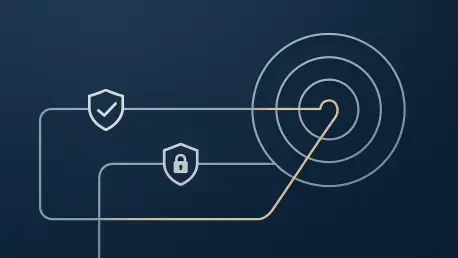
Every build failure triggered by an automated security gate forces developers to re-execute every previous stage of the pipeline, including unit tests and linting. This circular workflow might seem like a minor inconvenience, but at scale, it represents a massive drain on organizational resources.

The 'New Postman' rebrand in early 2026 introduced native Git support and offline storage as a direct response to the rapid growth of lightweight, local-first competitors that prioritize data privacy. This strategic shift marked a pivotal moment in the development lifecycle, as the industry

A strategic five billion dollar investment round led by Coatue has pushed the valuation of Databricks to one hundred and ninety billion dollars, confirming its status as a critical AI infrastructure provider. This monumental milestone represents more than just a surge in market capitalization; it

Selecting the right combination of model and harness is no longer just a technical choice but a financial necessity, given the extreme volatility in performance and cost. On August 14, 2026, the technology landscape underwent a significant shift with the introduction of the Unified Harness Protocol

Real-time token delivery creates a unique challenge where the UI must constantly recalculate layouts while the user is actively typing or scrolling through the message history. This specific interaction model has become the gold standard for generative artificial intelligence, yet achieving it

Engineering teams managing massive codebases must now weigh the maturity of ESLint’s ten-year plugin ecosystem against the raw throughput of Oxlint, which can process over eleven thousand files per second. This shift represents a fundamental transformation in how JavaScript and TypeScript