
The integration of LangChain4j within the Quarkus ecosystem simplifies the process of registering CDI beans as functional MCP server endpoints using simple annotations. This advancement allows developers to bridge the gap between static enterprise data and dynamic generative AI models without rewriting existing business logic. As of 2026, the Model Context Protocol has become the industry standard for tool-calling, and the ability to expose Java-based services to AI agents like Goose is a critical advantage. Quarkus provides the necessary scaffolding to handle high-concurrency requests while maintaining a low memory footprint, which is essential for edge deployments or serverless architectures. By utilizing standard annotations, engineers can transform complex database queries into discoverable tools that an LLM can reason about and execute securely. This unified approach eliminates the need for manual prompt engineering, as the metadata is automatically generated. The synergy between these tools represents a shift from experimental chatbots to production-grade agentic systems that rely on strict schema definitions and reliable environments.
1. Establishing Architectural Resilience With Model Context Protocol
Standardization in the AI space often lags behind innovation, yet the Model Context Protocol has emerged as the definitive solution for tool-calling interoperability. By defining a clear contract between the host and the client, MCP ensures that any AI agent can understand the input requirements and expected outputs of a remote function. Within the Quarkus framework, this is achieved by leveraging the LangChain4j extension, which maps Java methods to MCP tool definitions dynamically. This mapping includes parameter descriptions, type safety, and required fields, ensuring that the LLM receives structured data it can actually use. Furthermore, the use of Quarkus Dev Services allows developers to test these integrations in a sandboxed environment, simulating agent behavior before moving to production. This reliability is vital for enterprise systems where unpredictable AI responses could lead to service disruptions or data integrity issues. Moving forward, the focus shifts to how these tools are orchestrated and governed across multiple environments.
Setting up a governed environment requires more than just exposing endpoints; it necessitates a robust lifecycle management strategy for each tool. Quarkus excels here by providing built-in support for health checks, metrics, and distributed tracing, which are integrated into the MCP server implementation. When an agent like Goose initiates a request, the Quarkus runtime tracks the execution through every layer of the stack, providing visibility into latency and success rates. This observability is paired with the power of Contexts and Dependency Injection, allowing for the modular design of tools that can be swapped or updated without downtime. Developers can define scopes that manage the state of a tool during a single interaction or across a whole session, providing a level of control that traditional REST APIs often lack in an AI context. Such granularity ensures that resources are allocated efficiently and that the AI agent only has access to the tools it needs for a specific task. This methodical setup lays the groundwork for advanced security protocols that define who, or what, can trigger actions.
2. Implementing Governance and Security Through Goose Integration
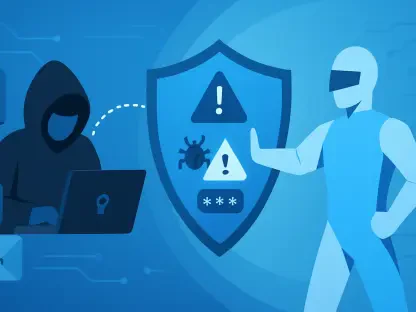
Security remains the primary concern for any organization deploying AI-driven tools that can perform actions on behalf of users. The combination of Quarkus and Goose addresses this by implementing a zero-trust architecture where every tool invocation is authenticated and authorized against existing identity providers. By utilizing OIDC and SmallRye JWT extensions, developers can restrict access to sensitive MCP tools based on user roles or agent permissions. Goose, acting as the client, handles the secure transmission of credentials, ensuring that the backend Quarkus service can verify the identity of the requester before executing any logic. Moreover, rate limiting and request throttling can be applied at the tool level to prevent accidental or malicious denial-of-service attacks by runaway AI agents. This governance layer ensures that while the AI is given the autonomy to solve problems, it operates within a strictly defined sandbox of permissible actions. The result is a system that balances flexibility with the rigorous security standards required by modern financial or healthcare institutions.
The implementation of governed MCP tools through the Quarkus and Goose stack successfully demonstrated a path toward scalable AI integration. Engineers identified that by centering the development on structured metadata and strict security policies, the risks associated with autonomous tool execution were mitigated. Teams adopted a strategy of continuous monitoring where every model interaction was logged and audited for compliance with internal standards. They moved away from ad-hoc script execution toward a centralized registry of governed services that were easily discoverable by various AI agents across the enterprise. This transition allowed for the rapid deployment of specialized agents capable of handling complex logistics and data analysis tasks with minimal human intervention. Organizations that embraced this architectural pattern found themselves better positioned to leverage the next generation of model capabilities from 2026 to 2028. These steps finalized the creation of a resilient infrastructure that supported the evolving needs of the modern digital landscape.