
Technical teams are leveraging specialized AI training models to identify the optimal API for specific sound design tasks, significantly lowering the barrier to entry for custom tool development. This development represents a fundamental shift in how interactive audio is handled within the industry, as engineers look for ways to automate increasingly complex pipelines. AZSTOKE co.,ltd. has responded to this need by launching the RADNODZ plugin, a sophisticated bridge that brings their established RIGDOCKS technology directly into the Unreal Engine 5 ecosystem. By acting as a central hub, the plugin allows developers to maintain creative momentum without being stalled by repetitive manual processes. The integration of high-level automation APIs into C++ and Blueprint frameworks effectively democratizes tool creation for sound designers who may not have extensive programming backgrounds. This shift toward modular, automated workflows ensures that the logistical demands of modern game development do not overshadow the artistic goals of the project, fostering a more efficient and innovative environment for professional studios.
Architectural Integration of Sound Automation
Proprietary APIs and the Synergy of Patented Technology
At the heart of this technological advancement lies the RIGDOCKS suite, which provides a comprehensive collection of over 500 specialized APIs dedicated to sound development automation. The RADNODZ plugin serves as a vital conduit, bringing these advanced capabilities into the Unreal Engine environment for the first time to streamline production. This release incorporates four patented technologies, offering developers a unique and powerful toolkit that is currently unparalleled in the competitive landscape of game development software. By bridging these proprietary systems with the engine’s core framework, AZSTOKE provides a level of control that was previously difficult to achieve without bespoke, high-cost internal solutions. The architectural design of the plugin ensures that these APIs function with high stability, allowing for the seamless execution of complex automation scripts. This robust foundation enables teams to scale their audio operations efficiently, matching the increasing scale of modern digital experiences and interactive media projects.
Beyond the technical specifics of the API library, the integration focuses on the practical needs of engineers who must balance technical constraints with creative output. The ability to access 500 distinct automation functions directly within the engine workspace means that developers spend less time switching between disparate software packages and more time refining the auditory experience. This level of integration is particularly beneficial for large-scale projects where thousands of audio assets must be processed, categorized, and implemented according to strict technical specifications. By leveraging patented automation logic, the plugin reduces the likelihood of human error during the data entry and asset management phases of production. Consequently, the workflow becomes more predictable and manageable, providing a reliable framework that supports both rapid prototyping and final-stage polishing. This technological milestone reflects a broader industry trend toward specialized middleware that simplifies the interaction between various development disciplines and core game engine technologies.
Strategic Connectivity: Controlling External Software Environments
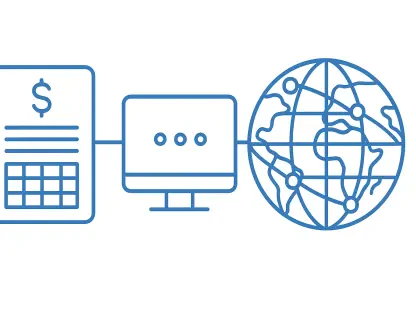
The versatility of the RADNODZ APIs allows developers to control a wide range of external software and productivity tools without ever leaving the primary Unreal Engine environment. Users can directly manipulate the REAPER Digital Audio Workstation and Wwise audio middleware, creating a unified control center for all sound-related tasks. This connectivity extends to project management and data organization tools, as the plugin facilitates the management of complex project data within Excel and Google Sheets. Such integration ensures that technical documentation and asset lists remain synchronized with the actual engine implementation in real-time. By removing the silos between creative tools and administrative software, AZSTOKE has created a more cohesive ecosystem for audio professionals. The reduction in context switching not only saves time but also minimizes the cognitive load on developers, allowing them to remain focused on the nuances of sound design and technical implementation throughout the entire development lifecycle.
Furthermore, the plugin integrates seamlessly with version control systems like Perforce and SVN, as well as communication platforms like Slack, to keep teams synchronized during automated processes. This means that when an automated sound task is completed or an error is detected, the system can automatically notify the relevant team members or update the project repository. This level of operational transparency is critical in modern distributed development environments where team members may be working across different time zones. By automating the communication loop, the RADNODZ plugin ensures that every stakeholder is aware of the current project status without the need for manual reporting. This holistic approach to development connectivity bridges the gap between the technical execution of sound design and the broader project management requirements of a professional studio. The resulting efficiency gains are substantial, particularly for teams tasked with maintaining high-quality audio standards across expansive and detail-oriented virtual worlds.
Innovative Toolsets and AI-Driven Workflows
Leveraging Generative AI for Rapid Tool Construction
One of the most forward-thinking features of this integration is its synergy with generative AI to lower the barrier for technical development within the audio department. Traditionally, creating custom automation tools in C++ required deep engine knowledge and extensive programming expertise that many sound designers lacked. AZSTOKE is simplifying this process by training AI models with “Dedicated Custom Skills” that understand the entire RIGDOCKS API library in great detail. This training allows the AI to generate accurate, functional code based on simple natural language prompts provided by the user. By translating creative intent into technical execution, this AI-driven approach empowers sound designers to build their own custom tools and utilities without needing to master the complexities of low-level coding. This democratization of tool development ensures that the most effective workflows are built by the people who actually use them daily.
This method of AI-assisted development represents a significant leap forward in production efficiency, as it drastically reduces the time required to move from a conceptual idea to a functional tool. When a developer identifies a specific bottleneck in their workflow, they can simply describe the desired automation task to the AI, which then suggests the appropriate RIGDOCKS APIs and generates the necessary C++ or Blueprint logic. This rapid turnaround allows for a more iterative and experimental approach to tool design, as developers can quickly test and refine their ideas. Moreover, because the AI is specifically trained on the RIGDOCKS library, the code it produces is optimized for the plugin’s architecture, ensuring high performance and compatibility. This integration of artificial intelligence into the development pipeline does not just save time; it changes the fundamental relationship between the sound designer and the technology they use, making the engine a more responsive and flexible partner in the creative process.
Visual Scripting and the Democratization of Audio Logic
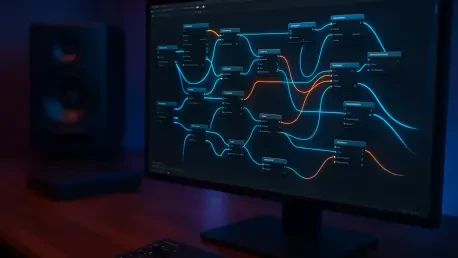
For those who prefer a non-linear or more visual approach to development, the plugin offers full Blueprint support, enabling rapid prototyping through visual scripting. This accessibility ensures that developers who are more comfortable with visual logic than traditional coding can still leverage the full power of the automation APIs. By exposing the 500+ functions to the Blueprint system, AZSTOKE allows for the creation of complex, event-driven audio behaviors that can be easily modified and expanded. This combination of AI-assisted coding and Blueprint compatibility ensures that development teams of all sizes and technical backgrounds can implement their ideas almost instantly. The visual nature of Blueprints also makes it easier for teams to collaborate on tool design, as the logic flow is readily apparent to anyone reviewing the script. This transparency is vital for maintaining and troubleshooting custom tools throughout a long-term project.
By maximizing development speed and reducing the technical burden on sound designers, the system allows creators to focus more on the creative aspects of their projects rather than the underlying architecture. This shift is essential in an industry where the technical requirements for audio are becoming increasingly demanding, involving spatial sound, dynamic mixing, and massive asset libraries. The ability to quickly build and iterate on custom automation scripts means that the sound team can adapt to changing project requirements without being held back by rigid technical limitations. Whether it is automating the import of thousands of files or creating a dynamic mixing system that responds to player behavior, the RADNODZ framework provides the flexibility needed to succeed. Ultimately, this focus on accessibility and speed ensures that the audio quality of the final product remains high, even as production schedules become more compressed and project scopes continue to grow.
Practical Application and Real-World Field Results
The RIGDRED Project: Remote Solutions for Modern Audio
The practical utility of the RADNODZ plugin is best exemplified by RIGDRED, an application developed to solve specific logistical hurdles at a professional outdoor recording studio. Because the control room at the SKYSQUARE facility is located 50 meters away from the recording field, the team faced significant challenges in managing recording sessions efficiently. Constant travel between the field and the control room led to lost time and interrupted the creative flow of the recording sessions. RIGDRED was built using the RADNODZ framework to allow engineers to control the REAPER DAW directly from a tablet or smartphone while standing in the recording field. This remote control capability effectively eliminated the physical distance barrier, allowing for a much more fluid and responsive recording process. The success of this application demonstrates how custom tools built with the plugin can solve very specific, high-impact problems in a professional production environment.
Beyond basic playback and recording functions, RIGDRED features a sophisticated monitoring system that supports surround sound and stereo downmixing for real-time evaluation. This allows engineers to hear exactly how a recording will sound in the final mix, even while they are far away from the primary studio speakers. The application also integrates AI-driven transcription via Whisper to detect recording errors in real-time, such as misspoken lines or technical glitches. When an issue is identified, the system can automatically update project progress on Slack, ensuring that the entire team is aware of the session’s status. This tool serves as a blueprint for developers, showcasing the type of high-efficiency, custom applications that can be built using the RADNODZ framework. It highlights the potential for the plugin to go beyond simple automation and actually change the physical way that audio production is handled in complex environments.
Implementation Strategies for Complex Studio Environments
The implementation of RIGDRED at the SKYSQUARE studio provided valuable insights into how automated systems can be integrated into high-stakes production environments. One of the key takeaways was the importance of a reliable communication bridge between the mobile application and the core studio hardware. By utilizing the RADNODZ APIs to facilitate this communication, the development team was able to ensure that commands sent from a mobile device were executed with minimal latency. This level of responsiveness is crucial for audio recording, where timing and precision are paramount. The project also demonstrated how AI transcription could be used not just for documentation, but as a real-time quality assurance tool that monitors the integrity of the data being recorded. This proactive approach to error detection significantly reduced the need for costly and time-consuming re-recording sessions.
Moreover, the integration with Slack and other communication tools transformed the recording session into a transparent, data-driven process. Every take, error, and successful recording was logged and shared automatically, providing a clear audit trail of the day’s work. This level of automated reporting proved to be a major benefit for project managers and lead sound designers who could monitor progress remotely without needing to be present at the studio. The success of the RIGDRED application has encouraged further exploration into how similar tools can be deployed in other areas of game development, such as motion capture and live-action video shoots. By providing a framework that is both powerful and flexible, AZSTOKE has enabled studios to build bespoke solutions that are perfectly tailored to their unique operational needs. This case study confirms that the RADNODZ plugin is a practical, field-tested solution that delivers measurable improvements in production efficiency.
Market Presence and Strategic Deployment
Subscription Frameworks and the Path Forward
AZSTOKE has structured the pricing for RADNODZ to accommodate different project timelines and team sizes, requiring a base RIGDOCKS subscription for use. The plugin is available in one, two, or three-year update versions, providing flexibility for studios with varying budget cycles and project durations. For those seeking the most comprehensive set of tools, the COREAMBER Bundle Plan offers an all-inclusive package that covers a wide range of automation needs. This tiered approach ensures that both independent creators and large-scale studios can access the technology according to their specific budgetary and operational requirements. By offering multiple entry points, the company has made it easier for the industry to adopt these advanced automation tools, regardless of the size or scope of the project. This strategy reflects an understanding of the diverse needs of the modern game development community, where scalability and cost-effectiveness are top priorities.
The rollout of these technologies was timed to coincide with major industry events, allowing for maximum visibility and engagement with the professional community. During the launch period, the company focused on demonstrating the immediate ROI of the plugin through real-world examples and hands-on workshops. This approach helped to build confidence in the technology and encouraged early adoption by studios looking to modernize their audio pipelines. As the industry continues to evolve, the demand for sophisticated automation tools is expected to grow, placing AZSTOKE in a strong position to influence the future of sound development. The company’s commitment to providing long-term support and regular updates ensures that the RADNODZ plugin will remain a relevant and powerful tool for years to come. By fostering a community of developers who use and contribute to the ecosystem, the company is creating a sustainable model for technological innovation in the game audio space.
Strategic Evaluation and Industry Adoption
Industry professionals who showcased these new technologies at the CEDEC conference in Yokohama observed the practical impact of RIGDRED and the RADNODZ APIs firsthand. The consensus among technical directors and audio leads was that the ability to bridge Unreal Engine with external DAWs and productivity tools addressed a long-standing bottleneck in production. Many teams began evaluating their internal workflows to identify where natural language AI and visual scripting could replace manual C++ development for custom toolsets. This evaluation phase led to the realization that the plugin was not just a luxury, but a strategic necessity for maintaining competitiveness in an era of massive asset counts and rapid development cycles. The demonstrated efficiency gains at the SKYSQUARE studio served as a compelling argument for broader adoption across different game genres and studio structures.
In the period following the initial release, the strategy shifted toward expanding support to other development environments beyond the Unreal Engine. This broader perspective aimed to position the framework as a universal standard for intelligent automation in the game industry and beyond. Studios were encouraged to integrate these automation layers early in their project lifecycles to maximize the cumulative time savings. The move toward cross-engine compatibility was recognized as a significant step in providing a consistent toolset for developers who work across multiple platforms. By establishing a robust, AI-enhanced automation layer, the development community successfully lowered the technical barriers for sound designers, allowing for a renewed focus on creative excellence. The resulting shift in production methodology allowed studios to deliver higher-quality audio experiences with greater consistency and lower operational risk than was possible with previous manual workflows.