
Users operating on Windows or Linux platforms can access native Apple applications like Keynote and Numbers through a standard web browser via the iCloud portal. This functionality marks a significant shift in how cloud services are perceived, moving from simple digital lockers to comprehensive productivity environments that transcend hardware limitations. While many individuals primarily associate the service with the automatic backing up of high-resolution images and videos, the modern architecture of the platform facilitates a much deeper level of integration. In 2026, the reliance on local storage has diminished as high-speed connectivity allows for the seamless execution of complex tasks directly within a cloud-synchronized framework. This evolution means that professional workflows can remain consistent regardless of the specific device being used at any given moment. The ability to pivot from a mobile interface to a desktop environment without a loss of data or context is no longer a luxury but a fundamental expectation of digital life. By exploring the secondary and tertiary layers of this service, users can unlock efficiencies that go far beyond the mere preservation of visual memories, effectively turning the cloud into a persistent digital workspace that mirrors the user’s intent across all possible hardware configurations.
1. Keep Browser Tabs in Sync
The synchronization of web browsing data represents one of the most immediate ways to maintain continuity in a fragmented digital landscape. When the appropriate settings are toggled within the system preferences, Safari utilizes the cloud as a central nervous system to broadcast the current state of a browsing session to every authorized device. This process involves more than just a shared list of bookmarks; it encompasses the actual open tabs and the progress made within them. For instance, a professional researching market trends on a desktop can leave the office and immediately resume reading the exact same article on an iPhone during a commute. This transition is facilitated by the iCloud Tabs feature, which presents a list of open pages from other devices directly within the tab overview. Moreover, the synchronization includes saved form details and passwords via the Keychain integration, ensuring that the friction of logging into accounts or filling out shipping information is virtually eliminated as the user moves between various pieces of hardware.
This level of connectivity fundamentally changes how information is consumed and processed throughout the day. Instead of manually emailing links or using third-party bookmarking apps, the native integration allows for a fluid stream of consciousness that follows the user. If a page is closed on one device, the change can be reflected across the entire ecosystem, preventing the clutter of redundant tabs that often plagues heavy web users. Furthermore, the security protocols governing this data transfer ensure that browsing habits and sensitive form data are protected by end-to-end encryption. In 2026, as the complexity of web applications continues to grow, having a synchronized browser state allows for the seamless management of cloud-based software-as-a-service (SaaS) platforms. The ability to start a configuration process on a large monitor and finalize the submission on a handheld device without re-entering data or searching for the specific URL demonstrates the practical utility of treating the browser as a unified, cross-device application rather than a series of isolated windows.
2. Generate Anonymous Email Aliases
Privacy has become a primary concern for digital citizens, and the “Hide My Email” tool offers a robust defense against the pervasive tracking and spam that often result from online registrations. This feature allows users to generate unique, random email addresses that act as intermediaries between a third-party service and their primary inbox. When signing up for a new newsletter, a shopping site, or a specialized app, the system creates an alias that forwards all incoming correspondence to the user’s real address without ever revealing it. This creates a powerful layer of anonymity; if a specific service begins to send excessive marketing materials or if their database is compromised in a security breach, the user can simply deactivate that specific alias. This action immediately severs the connection, effectively “killing” the spam at the source without requiring a change to the user’s main contact information. This strategy is particularly effective for managing the digital footprint that accumulates over years of internet use, providing a granular level of control over who can reach the user.
Beyond the obvious benefits of spam reduction, this system enhances overall digital security by making it much harder for data brokers to link disparate accounts to a single identity. In an environment where personal data is frequently aggregated to build comprehensive consumer profiles, using a different email alias for every service breaks the chain of association. For those utilizing iCloud+ in 2026, the management of these addresses is integrated directly into the system settings, allowing for the quick creation of new aliases or the labeling of existing ones for better organization. The utility of this feature extends to physical interactions as well, such as when a retail store requests an email for a digital receipt. By providing a randomly generated alias, the customer receives their receipt safely while ensuring the store cannot track their shopping habits across other platforms or sell their verified primary email to third-party advertisers. This proactive approach to privacy transforms the cloud service into a personal gatekeeper, filtering out the noise of the modern internet.
3. Modify Files Across Hardware in Real-Time
The distinction between traditional cloud storage and active cloud synchronization is most apparent when examining how modern file management systems handle document edits. Rather than requiring a manual upload and download process, the current architecture treats the cloud as the primary location for a file, with local versions acting as temporary caches. This means that when a user adjusts a spreadsheet on a tablet, the specific blocks of data that were modified are instantly transmitted to the cloud and then pushed to other connected devices. The result is a truly live document; a change made to a paragraph in a word processor on a laptop will appear on a desktop screen almost as soon as the key is pressed. This eliminates the confusion of having multiple versions of the same file, such as “Project_Final_v2” and “Project_Final_v3,” floating around different devices. It ensures that whenever a file is opened, it is the absolute most recent version, complete with all previous edits and annotations.
This real-time synchronization also extends to professional creative work, such as image editing or code development. In 2026, the bandwidth and low latency of modern networks allow for large assets to be handled with the same agility as simple text documents. For instance, a photographer can begin a color grading process on a high-end workstation and then fine-tune the details using a stylus on a mobile device while away from the desk. The synchronization happens at a granular level, saving only the changes rather than re-uploading the entire file, which preserves both data and time. This capability fosters a more dynamic and less tethered working style, where the physical location of the user becomes irrelevant to the progress of the task. Furthermore, the integrated version history allows users to roll back changes if an error is made, providing a safety net that is automatically maintained by the system. This structural reliability makes the cloud an indispensable partner in complex project management and high-stakes professional environments.
4. Preserve Full Device Layouts and Settings
One of the most comprehensive features available is the ability to archive the entire configuration of a device, creating a digital blueprint that goes far beyond simple file storage. This backup process captures the specific arrangement of app icons on the home screen, the custom notification settings for every installed program, and even the unique ringtones assigned to specific contacts. When a user acquires a new piece of hardware, they do not have to spend hours or days manually configuring it to match their preferences. Instead, they can initiate a restoration process that pulls the entire state of their previous device from the cloud. Within minutes, the new hardware becomes a mirror image of the old one, including saved Wi-Fi passwords, system preferences, and logged-in app states. This continuity is essential for maintaining productivity during hardware transitions, as it removes the learning curve and setup fatigue that typically accompanies a new purchase.
The depth of this preservation also includes critical accessibility settings and health data, ensuring that personalized configurations for vision, hearing, or motor skills are moved over perfectly. In 2026, as devices become more specialized and personalized, the value of having a “portable” configuration increases. This backup is not a static snapshot but an evolving record that updates regularly when the device is connected to power and a wireless network. Consequently, even in the event of a total hardware failure or loss, the user’s entire digital environment remains safe and ready to be deployed onto a replacement unit. This creates a sense of digital permanence; while the physical phone or tablet may be temporary, the user’s specific environment is persistent. This systemic approach to backups ensures that the transition between generations of technology is as frictionless as possible, allowing the user to focus on their goals rather than the technical minutiae of device setup and software installation.
5. Utilize Integrated Web Tools for Global Access
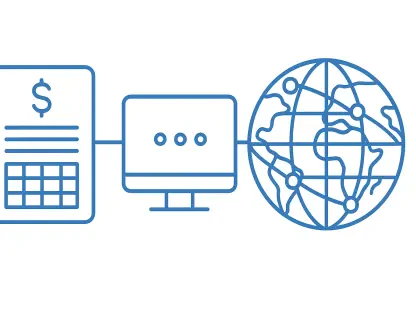
The accessibility of cloud-based data on non-native hardware represents a crucial bridge for users who operate in mixed-platform environments. By visiting the official web portal, individuals can access their entire suite of productivity tools and personal information from any computer with an internet connection, regardless of whether it runs a different operating system. This web-based interface provides full versions of applications like Notes, Reminders, and the iWork suite, allowing for the creation and editing of documents within the browser. This is particularly useful in professional settings where a user might be required to use a corporate PC but still needs to access their personal schedules or research notes. The changes made through the web interface are not isolated; they synchronize back to the user’s primary mobile and desktop devices in real-time, ensuring that the work done on a public or borrowed computer is never lost.
To maximize the effectiveness of these cloud features, users started by auditing their current storage allocation to ensure that system backups and document syncing were prioritized over less critical data. Professionals began to leverage the “Hide My Email” feature for every new account creation to build a resilient wall against future data breaches. Those working in collaborative or cross-platform teams utilized the web-based version of the productivity suite to maintain compatibility without needing to export files into different formats constantly. It was observed that the most successful users were those who viewed the cloud not as a backup destination, but as the active center of their digital life. Moving forward, the focus shifted toward utilizing these tools to automate the tedious aspects of digital management, such as form filling and device setup. By embracing the full spectrum of these non-photo features, individuals transformed their relationship with their hardware, moving toward a future where data and settings were consistently available wherever they chose to work.