
The sheer volume of data circulating through modern telecommunications networks has reached a threshold where traditional hardware-centric models no longer suffice for maintaining peak efficiency. This reality has prompted a landmark collaboration between Verizon and Google Cloud, a deal valued at over $1 billion that signals a major pivot for the American telecommunications landscape. By merging the massive computing capabilities of Google with the expansive reach of Verizon’s 5G infrastructure, the partnership aims to redefine digital connectivity standards across the United States. This strategic alliance focuses on integrating advanced cloud infrastructure to enhance network speed, reliability, and overall performance for millions of residential and business users. As the industry moves deeper into 2026, the focus has shifted from merely expanding coverage to fundamentally modernizing the core systems that manage traffic and data processing across the entire network. This approach ensures that the infrastructure can support the increasing demands of a society that is becoming more reliant on high-speed data for every aspect of daily life.
Transforming Infrastructure: Advanced Cloud and AI Integration
Systematic Cloud Migration: Shifting Toward Cloud-Native Design
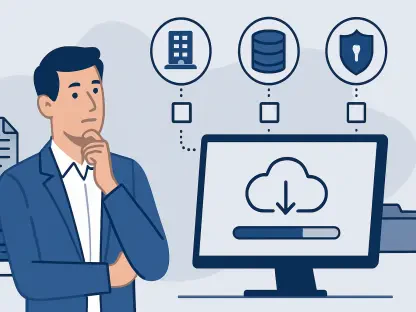
Verizon is systematically moving away from traditional physical data centers in favor of a more flexible and robust cloud-native architecture. By migrating core network operations to Google Cloud, the carrier is able to distribute processing tasks more effectively across its entire footprint, which allows for much greater agility during periods of peak traffic. This transition is essential for ensuring that high-bandwidth activities, such as remote professional work and high-definition media streaming, remain seamless and uninterrupted by utilizing elastic cloud environments that prevent service bottlenecks. The departure from legacy hardware allows the network to scale resources in real time, matching the dynamic needs of a modern digital society without the delays associated with physical infrastructure upgrades. This structural overhaul represents a departure from decades of telecom tradition, emphasizing software-defined networking as the primary driver for performance. By 2027, the majority of the carrier’s legacy systems will have successfully transitioned into this more efficient digital environment.
Operational Agility: Scaling for Peak Network Demands
The integration of Google Cloud’s artificial intelligence tools allows the carrier to process the vast amounts of telemetry data generated by its network in real time. These AI-driven systems provide advanced predictive analytics that identify potential equipment malfunctions or service interruptions long before they can impact the experience of the end-user. By analyzing patterns in signal strength and hardware health, the platform can automatically reroute traffic or alert maintenance teams to issues that require immediate attention. Furthermore, this technology significantly enhances the customer experience by powering sophisticated automated support systems that offer faster and more accurate responses to technical inquiries. These intelligent systems are capable of resolving complex connectivity issues through a more personalized approach, reducing the reliance on traditional call centers and improving the overall efficiency of customer service operations for millions of subscribers. The automation of these processes ensures that the network remains resilient even during unexpected surges in usage.
Strategic Performance: Delivering Enhanced User Connectivity
User Experience: Reliability for Wireless and Broadband
For the average consumer, this partnership translates into tangible improvements in daily digital interactions across both mobile wireless and fixed-line broadband services. The synergy between 5G connectivity and cloud processing significantly reduces latency, which remains a crucial factor for modern cloud gaming, interactive video conferencing, and the expanding ecosystem of smart-home devices. These advancements ensure more stable connections and faster download speeds, providing a robust foundation for next-generation internet services that require high throughput. As households become increasingly reliant on a multitude of connected appliances and security systems, the need for a network that can handle hundreds of simultaneous requests with minimal delay is paramount. This upgrade ensures that the consumer infrastructure is prepared for the increasing demands of high-fidelity virtual environments and real-time data synchronization across personal devices and platforms. This level of reliability has become the new standard for users who expect consistent performance regardless of their physical location.
Enterprise Strategy: Specialized Solutions for Industry Growth
The collaboration offered significant advantages for business clients, providing them with a streamlined pathway toward digital transformation and enhanced operational security. Enterprise customers gained access to specialized cybersecurity tools and sophisticated data processing capabilities that were once difficult for individual companies to manage independently. The partnership enabled tailored solutions for critical sectors, including healthcare telemedicine and secure financial transactions, while optimizing real-time inventory management for the manufacturing and retail industries. Strategic convergence between cloud providers and telecommunications giants proved to be the standard for high-performance digital infrastructure as the market moved forward. By leveraging external technological expertise, the carrier positioned itself as a leader in edge computing and private 5G networks. This long-term strategy secured its role as a dominant provider for the systems required to support autonomous vehicles and smart city technology. Organizations that adopted these integrated solutions realized substantial improvements in efficiency and data-driven decision-making.