
Before the introduction of AI agents, technical bandwidth served as a major bottleneck for routine activities like campaign launches and quarterly business reviews. In the fast-paced marketing environments of 2026, the reliance on manual data pulls and dashboard refreshes often led to missed

Effective AI testing requires measuring outcomes across multiple trials and evaluating them against statistical thresholds rather than binary pass or fail metrics. In the high-stakes environment of 2026, where autonomous agents manage everything from customer logistics to complex financial
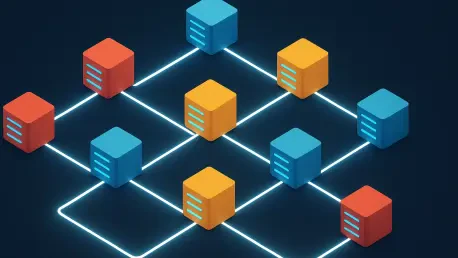
The unbundling of the cloud marketplace, payment systems, and physical hardware allows for a level of efficiency that integrated corporate models cannot easily match. As of 2026, the digital landscape remains heavily influenced by a trio of hyperscalers—Amazon Web Services, Microsoft Azure, and

Experts recommend that companies run representative production workloads to generate the data necessary for accurate three-year financial forecasting. The landscape of enterprise software procurement is undergoing a fundamental transformation, moving away from the relatively predictable models of

The surge in demand for GitHub Actions has frequently stressed shared authentication endpoints, creating a wide blast radius that affects unrelated repository services. This systemic vulnerability became significantly more apparent throughout August 2026, as the platform struggled to support a user

Eminence Capital and Slate Path Capital recently offloaded over $290 million in GitLab shares, highlighting a period of significant institutional turnover. This massive liquidation by major funds often signals a lack of confidence, yet the stock price defied expectations by climbing 3.5% shortly