
The integration of Microsoft’s technological stack provides the high-quality, structured information necessary for advanced machine learning and predictive analytics in beauty. This strategic alliance between The Estée Lauder Companies and Microsoft marks a pivotal shift in how the beauty industry leverages digital infrastructure in 2026. This collaboration aims to overhaul the brand’s global cloud and data framework, merging decades of skincare expertise with cutting-edge artificial intelligence. By integrating these technologies, the company seeks to foster faster innovation and streamline internal operations while maintaining its position as a leader in a competitive luxury market. The digital transformation is not merely an IT update; it is a fundamental reconfiguration of the corporate DNA to ensure that data-driven insights influence every aspect of the business, from the initial lab discovery to the final point of sale today.
Scaling Personalization: The Role of a Unified Operating Ecosystem
At the heart of this digital evolution is the “One Operating Ecosystem,” a centralized framework designed to unify technology platforms across all brands and regions. By utilizing a Microsoft-powered Unified Data Platform, the company eliminates fragmented data silos and ensures that information is accessible and consistent enterprise-wide. This robust data foundation serves as the essential engine for all subsequent machine learning and predictive analytics initiatives, providing the structured intelligence needed to drive the business forward in 2026. This unified approach allows the organization to move beyond traditional departmental boundaries, creating a synchronized environment where marketing, sales, and logistics operate on the same real-time insights. By consolidating diverse data streams into a single source, the company can now identify emerging consumer trends with precision, setting a new standard for operational excellence within the industry.
As part of its “Beauty Reimagined” program, Estée Lauder is prioritizing consumer-centric growth by placing individual preferences at the center of its business model. The company synthesizes nearly a century of beauty heritage with real-time data to create hyper-personalized shopping experiences across its 150-country footprint. Whether a consumer interacts with a brand via social media or in a physical boutique, AI ensures that every recommendation and touchpoint feels relevant and seamless. This technological agility allows individual brands like Clinique and La Mer to adapt instantly to shifting shopping behaviors and global trends. By leveraging a unified consumer data platform, the company can maintain the intimate feel of a niche brand while operating at a massive global scale. This balance of data-driven insight and human-centric service ensures long-term consumer loyalty in a digital-first marketplace that demands authenticity and efficiency.
Driving Efficiency: Decision Intelligence and Workforce Automation
A major pillar of this transformation is the concept of “Decision Intelligence,” which involves integrating AI directly into corporate workflows to move away from fragmented decision-making. By establishing a “single source of truth,” the company provides its marketing and research teams with shared insights that facilitate faster responses to market shifts. This cohesive approach ensures that every department is aligned with the broader corporate strategy and real-time consumer demands. The implementation of these intelligent systems means that decision-makers no longer rely on anecdotal evidence. Instead, they use predictive models that can forecast demand volatility and shifting aesthetic preferences months in advance. This transition toward a proactive business model has significantly reduced the risks associated with product launches, ensuring that resources are allocated where they have the most impact, thereby maximizing the return on innovation investments.
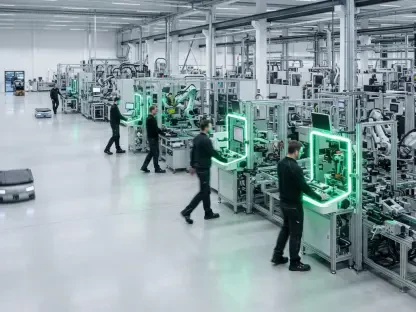
This connectivity extends deeply into the value chain, optimizing the journey of a product from initial design through manufacturing. AI-powered workflows allow the company to rethink validation and production processes, significantly reducing the time it takes to bring new innovations to market. By modernizing its supply chain with the same sophistication as its consumer-facing apps, Estée Lauder ensures its operational backend can support its ambitious creative goals. The use of advanced algorithms in the research and development phase helps scientists identify promising ingredient combinations faster than manual testing would allow. Furthermore, digital twins and simulated production environments enable the company to test manufacturing scalability before physical lines are even started. This streamlined pipeline ensures that the company remains responsive to the fast-paced nature of the beauty market, delivering high-quality products to global consumers with efficiency.
The strategic integration of artificial intelligence into the beauty landscape demonstrated that technology was the primary catalyst for sustainable growth. By prioritizing a unified data architecture, the company established a blueprint for how legacy luxury brands could successfully pivot toward a digital-first future. It became clear that the most effective implementations of AI occurred when internal culture embraced these tools as collaborative partners. Moving forward, organizations should focus on developing specialized AI agents tailored to specific creative and scientific roles to further bridge the gap between technology and human intuition. Additionally, the continuous refinement of ethical AI frameworks remained essential to maintaining consumer trust while scaling personalization efforts. Leaders across the industry recognized that investing in employee literacy regarding automated systems was just as critical as software itself.