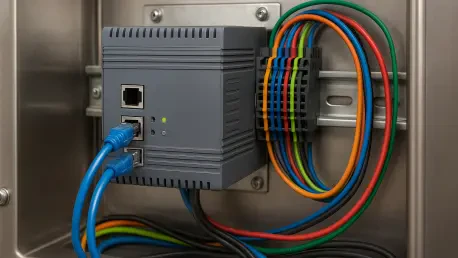
Digital transformation provides significant operational value but requires a shift from simple port-blocking to semantic protocol understanding. The myth of the isolated factory floor has been shattered by the relentless march of industrial networking, where the once-impenetrable air-gap exists

Administrators must weigh the functional necessity of VPN access against the catastrophic risks associated with unpatched remote code execution capabilities. The cybersecurity community currently faces a precarious situation as reports circulate regarding two unpatched vulnerabilities within Citrix

Module Lattice-based Key-Encapsulation Mechanisms facilitate secure key exchanges by leveraging mathematical complexity that exceeds the processing power of any known supercomputer. This reality has become the cornerstone of digital defense in 2026, as the international community grapples with the

Implementing robust authentication and data encryption at the start of the design process ensures that security is built into the device foundation. In the current 2026 healthcare landscape, where hospital networks are increasingly dense and medical devices are more interconnected than ever, the
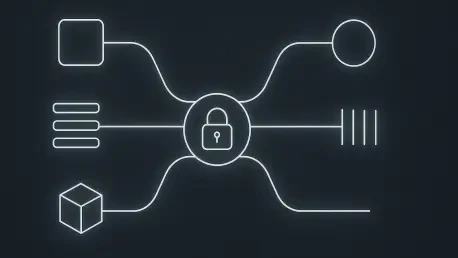
The three-hop topology introduces a secure intermediary that terminates authentication and manages complex OAuth processes before interacting with backend tool servers. This architectural shift addresses the digital sprawl of 2026, which has brought about a paradox where autonomous AI agents,

The success of AI-assisted scanning will ultimately be measured by how quickly identified vulnerabilities are fixed rather than just the number of flaws discovered. In the current landscape of 2026, where digital interdependencies have reached an unprecedented level of complexity, the defense of