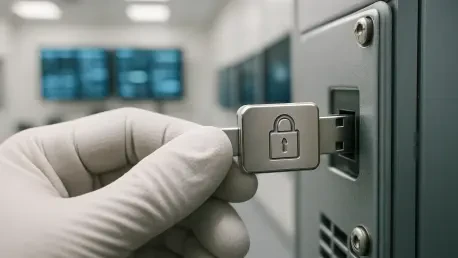

The discovery that an air-gapped network—once considered the ultimate defense against remote exploitation—could be compromised for eight consecutive years has fundamentally shifted the security paradigm for critical infrastructure providers worldwide. Security researchers have detailed a persistent campaign attributed to the threat group Velvet Ant, which utilized advanced techniques to bridge the physical divide between the internet and isolated segments. By leveraging a combination of legacy driver vulnerabilities and specialized malware, the attackers managed to exfiltrate highly sensitive data without ever establishing a direct outbound connection. This incident underscores a chilling reality where physical isolation no longer guarantees immunity from state-sponsored espionage, especially when the adversaries are patient. The breach highlights the limitations of traditional perimeter defenses that focus solely on digital gateways while neglecting the subtle risks inherent in internal hardware management.
The Architecture of Persistence and Lateral Movement
Technical analysis reveals that the initial point of entry for Velvet Ant involved the exploitation of a vulnerable driver associated with an outdated hardware component that remained active within the air-gapped environment. Once the group established a foothold, they deployed a specialized modular backdoor that could operate independently of a real-time command-and-control server by utilizing dead drop points on shared internal drives. This malware was specifically engineered to identify and copy sensitive data to hidden directories that could eventually be accessed by authorized personnel unknowingly carrying infected removable media. The attackers demonstrated an extraordinary level of restraint, opting for slow data collection rather than rapid bursts that might have triggered traffic alerts. By mimicking the behavior of legitimate system processes and utilizing encrypted payloads that bypassed signature-based detection, the group effectively maintained a presence that spanned multiple hardware refresh cycles.
Building on this technical foundation, the group’s lateral movement strategy was characterized by a meticulous mapping of the internal topography, allowing them to jump between workstations using compromised USB devices. This sneakernet approach was supplemented by a custom-built file synchronization tool that moved data across different air-gapped tiers whenever a portable storage device was connected for routine maintenance tasks. The attackers also displayed significant interest in administrative credentials, recognizing that high-level access would allow them to modify system logs and disable security alerts that might otherwise flag their presence. Furthermore, the persistent nature of this intrusion was facilitated by the actors’ ability to re-infect systems after remediations, as they had planted redundant backdoors in the firmware of peripheral devices. This level of deep integration suggests the threat actor had spent years studying the specific operational workflows and hardware configurations of their target before even launching the primary phase.
Addressing the risks exposed by this incident required a radical departure from traditional isolation tactics toward a more proactive, hardware-centric defense strategy. Organizations began implementing strict physical port controls and deploying hardware-attestation protocols to ensure that only verified peripherals could interact with sensitive systems. The transition toward Zero Trust architectures was extended to the most isolated segments, requiring continuous authentication and micro-segmentation of internal traffic to limit lateral movement. Security teams prioritized the decommissioning of legacy drivers and the auditing of firmware updates, treating every physical connection as a potential high-risk entry point. By adopting behavioral analytics that looked for low and slow data transfers, administrators were better equipped to detect subtle anomalies previously overlooked. This approach moved the industry away from a reliance on physical barriers toward a resilient posture that assumed the presence of an adversary even in the most restricted environments.