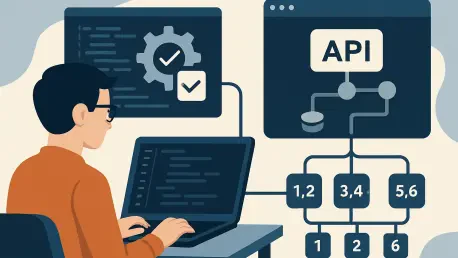
The relentless pace of modern software delivery means that a single static test case is no longer sufficient to guarantee the reliability of an interconnected digital ecosystem. Engineers frequently find themselves trapped in a cycle of duplicating code to accommodate various input scenarios, which

Security architectures that successfully protect traditional cloud infrastructure often fail to account for the fluid nature of large language model instructions and their associated metadata. While the core software remains static, the generative AI configuration supply chain—encompassing prompts,

The traditional approach of treating system performance as a secondary concern to feature delivery has finally collapsed under the weight of hyper-scale cloud-native complexities that demand architectural guarantees rather than reactive troubleshooting. This shift marks the rise of

A catastrophic security breach involving a small development team based in Mexico serves as a stark reminder of how quickly digital assets can transform into massive financial liabilities within the cloud ecosystem. In a span of merely forty-eight hours, an unauthorized party gained access to a
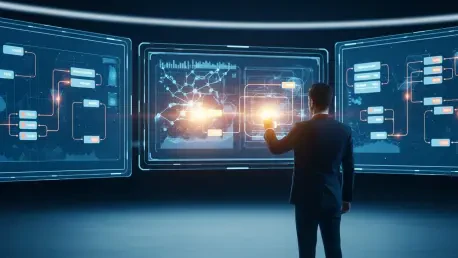
Engineers often discover that the most catastrophic failures in modern artificial intelligence systems do not arrive with a crash but instead manifest as a subtle erosion of data integrity that remains undetected for weeks. The transition of Artificial Intelligence from experimental labs to

The digital ink had barely dried on a successful product launch when the engineering lead opened a billing notification that felt more like a ransom note than a service invoice. What was supposed to be a manageable operational expense had mutated into a five-figure financial liability, threatening