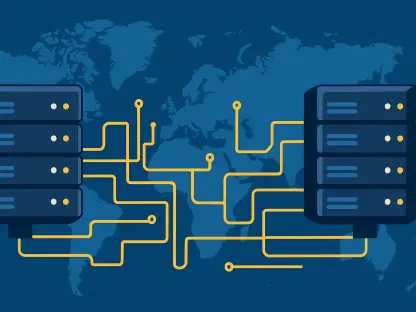

The rapid integration of Large Language Models into automated software development lifecycles has introduced a sophisticated new attack vector known as indirect prompt injection, where malicious instructions hidden within benign-looking data can hijack an AI agent's execution flow. This

The modern workplace has evolved far beyond the traditional boundaries of physical offices and simple instant messaging applications to become a complex ecosystem of specialized tools that define professional identity. While Microsoft Teams remains a significant force for those deeply embedded in
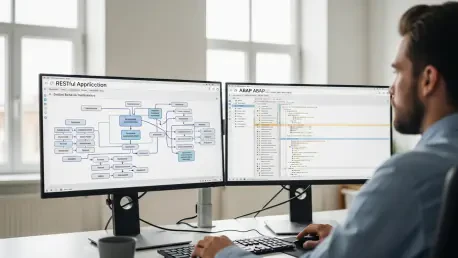
The fundamental shift from legacy procedural function modules toward a standardized RESTful architecture represents a critical turning point for enterprises currently managing complex SAP S/4HANA environments. This evolution marks the transition from the traditional Business Application Programming

The rapid evolution of modern prediction markets has transformed event-based trading from a manual exercise in political or economic forecasting into a sophisticated technological arms race. Navigating the complexities of the Kalshi exchange through its public Application Programming Interface

The fragmented landscape of early decentralized technology has rapidly evolved into a sophisticated visibility layer that serves as the primary gateway for users navigating the expansive web of modern applications. In previous cycles, locating functional tools required navigating a chaotic mix of

The global race to build a functional and commercially viable quantum computer has moved beyond the era of experimental noise and entered a phase where precision and fault tolerance are the primary benchmarks for success. For years, the industry struggled with the disparity between theoretical