
Vijay Raina brings a wealth of experience in enterprise SaaS architecture and software design to the table. As a specialist who has navigated the rapid evolution of digital interfaces, he understands that the next frontier of technology isn’t just about processing power, but about the bridge between human emotion and machine efficiency. He has spent years analyzing how users interact with complex systems, advocating for a shift from rigid, technical frameworks to experiences that prioritize humanization and empathy. In this conversation, we explore the transition from cold, conversational text boxes to warm, character-driven AI assistants, focusing on how intentional design choices—from color palettes to anthropomorphic shapes—can redefine the user experience and ensure that human artistry remains the guiding force in an automated world.
The discussion explores the limitations of traditional, transactional AI interfaces and the innovative shift toward proactive, character-based assistants like Eney. We examine the specific design philosophy behind creating a digital companion that feels personal and accessible, the strategic use of visual elements like the color pink and minimal facial features to foster connection, and the indispensable role of human judgment and “taste” in a landscape increasingly populated by generative tools like Midjourney and Dall-E.
Traditional AI interfaces often rely on conversational text boxes that can feel transactional. How does shifting to a character-based design change the user experience and emotional connection?
When we look at traditional AI assistants like Claude and ChatGPT, we see a format that is deeply rooted in how we have always interacted with our devices—through a conversational textbox or a simple webpage. While this is comfortable and familiar, it often creates a technical and transactional atmosphere where the user feels like they are simply inputting data into a machine. By shifting toward a character-based design, such as the one we explored with Eney, we break away from that rigid interface and introduce a sense of personality and proactive assistance. Humans are naturally drawn to things that resemble us or possess traits we recognize, like animals or expressive characters, making it much easier to build an emotional bridge. This approach transforms the AI from a faceless tool into a floating digital companion that feels like a supportive helper rather than just another line of code on a screen.
Can you walk us through the specific design choices made to ensure the AI character feels approachable and helpful without becoming a distraction?
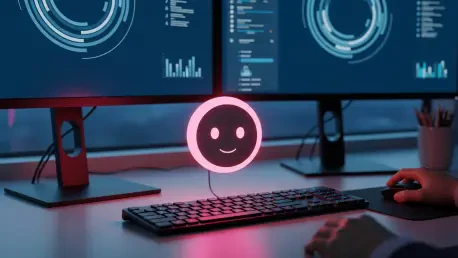
The creation of Eney required a very delicate balance where we wanted the character to be cheerful and friendly without crossing the line into being goofy or childish. We intentionally chose a circular figure because it feels significantly more approachable and simple than a rigid, square interface element. To ensure Eney remained a helpful companion rather than a distraction, we focused heavily on human animation and a select set of emotions that convey useful information. For instance, when the AI is working on a task, its figure subtly resembles a loading icon, providing visual feedback without overloading the user’s desktop with excessive movement. We even kept the facial design minimal, using the eyes as the main emotional connector to show expression without appearing cartoonish, ensuring the character remains present but not attention-seeking.
Why was the choice of color and visual shape so pivotal in differentiating this assistant from the sea of blue-themed AI products?
If you look at the current landscape of AI technology, dozens of companies rely on the color blue because it is traditionally associated with intelligence and professional stability. While blue is a great color, we felt it was vital for Eney to stand out in a crowded market and catch the user’s eye immediately. We chose a warm and inviting pink, which is slightly more visually stimulating and creates a sense of personality that a standard blue aesthetic lacks. This choice, combined with the calm, floating circular shape, helps Eney feel like a unique entity that enhances a user’s workflow rather than blending into the background of a standard operating system. It turns an otherwise invisible process into something tangible and memorable, helping the user connect with the tool on a more personal level.
How do human designers maintain control and integrity when integrating AI into their workflows, and what role does “taste” play in this new era?
Even though AI tools like Perplexity and ChatGPT have streamlined many design processes and enabled faster output, they are still just tools that require a human at the wheel to provide artistic direction and emotional sensitivity. There is a true beauty in intentionally crafting a design through manual work, and as designers, we must maintain our judgment and integrity to ensure the technology helps express our vision rather than replacing it entirely. We shouldn’t stray away from the latest tools, but we must remember that AI cannot replicate the unique values and experiences that shape human creativity. In this era, curiosity helps us build taste over time, and that refined taste actually becomes more valuable because it allows us to discern what is truly exceptional from what is merely generated.
What is your forecast for the future of human-AI collaboration in the software industry?
I believe we are moving toward a future where the “invisible” processes of software will become increasingly humanized, moving away from cold prompts and toward intuitive, character-driven interactions. We will see designers leveraging generative tools like Leonardo.ai and Dall-E for early-stage exploration, but the final, polished products will rely even more heavily on human intervention to ensure empathy and connection. The role of the designer will shift from being a manual creator to a curator of vision and taste, where the ability to guide an AI agent with emotional intelligence becomes a primary skill. Ultimately, AI will not replace human artistry; instead, it will act as a powerful engine that allows our creative visions to reach their full potential more quickly and with greater impact than ever before.