Bridges Smith, SmartBear’s VP of product management for AI, highlights that managing test intelligence has replaced test creation as the primary QA bottleneck. This perspective emerges as the velocity of software development reaches unprecedented levels, creating a scenario where the ability to

Marketing and service teams enhance the overall customer experience when they have seamless access to historical order data and real-time logistics information. This fundamental reality is driving a radical transformation in modern enterprise architecture as leaders realize that siloed software
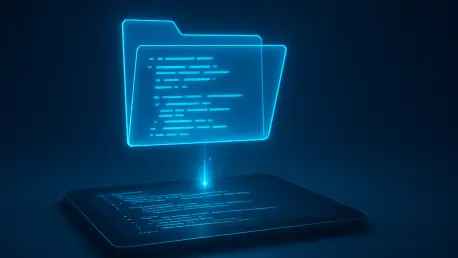
CodexCloudallowsdevelopersformallytoassigncomplexcodingtaskstoautonomousagentsrunningwithinisolatedremoteenvironmentscapableofeditingprojectfiles. This paradigm shift has redefined the relationship between engineers and their toolsets as of 2026, where the manual labor of initial environment

To maintain a predictable security posture, RapidFort commits to patching critical and high-severity issues within seven days of an upstream release. This aggressive timeline addresses one of the most persistent challenges in modern cloud-native environments: the widening gap between the discovery
A clean report from the automated service does not guarantee the absence of all bugs, reinforcing the necessity of human oversight in the final stages of the lifecycle. This critical realization accompanies the October 15, 2026, general availability launch of Claude Code Review, an advanced managed
Legacy development roles must evolve into verification specialists and context curators to handle the multi-threaded nature of asynchronous AI coding. In the current landscape of 2026, the traditional software development lifecycle is no longer a human-powered engine supported by tools, but rather