
Vijay Raina stands at the forefront of the modern SRE movement, bringing a wealth of experience in architecting resilient enterprise SaaS solutions. With a deep mastery of the AWS ecosystem and the Strands Agents SDK, he has spent years bridging the gap between traditional infrastructure management and the emerging world of autonomous, AI-driven operations. His perspective is grounded in the practical realities of high-stakes cloud environments, where a single misconfiguration can ripple through a global user base.
In this discussion, we explore the transformative power of multi-agent systems in incident response, focusing on the seamless integration of discovery, analysis, and remediation. We delve into the technical nuances of diagnosing complex failures, such as memory leaks that mask themselves as CPU spikes, and the critical importance of a “dry-run” first philosophy. We also touch upon the security architectures necessary to empower AI agents without compromising organizational safety, and how historical data through vector stores can turn every past failure into a future safeguard.
Managing a multi-agent system involves complex handoffs between specialized units for discovery and analysis. How do these agents synchronize their findings, and what specific safeguards ensure the remediation agent does not execute a fix based on incomplete data from the root cause analysis?
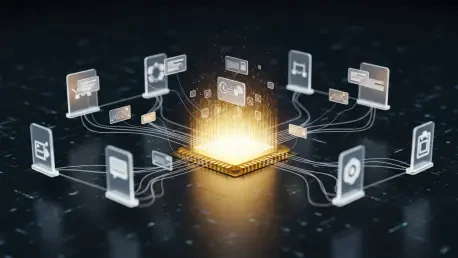
The synchronization within a multi-agent system like the one built on the AWS Strands Agents SDK relies on a strictly defined state-sharing protocol. When the system initiates, you have four distinct agents and eight specialized tools working in a high-speed relay; the CloudWatch agent first scours the environment to find active alarms, such as a service crossing an 85% CPU utilization threshold. This raw data is then handed off to the Root Cause Analysis (RCA) agent, which uses Claude Sonnet 4 on Amazon Bedrock to synthesize the logs and metrics into a coherent narrative. The safeguard lies in the structured output requirements where the remediation agent is essentially “locked” until the RCA agent provides a high-confidence diagnosis, such as identifying 14 specific OOMKilled events in the logs. This prevents the system from blindly restarting a deployment for a CPU spike that might actually be caused by a malicious DDoS attack rather than a memory leak. It feels like a high-stakes surgical theater where the diagnostic team must sign off on the pathology before the surgeon ever picks up the scalpel.
Detecting a memory leak through CloudWatch metrics and OOMKilled events requires correlating several disparate data points. Could you explain the step-by-step process for diagnosing such an incident and describe the specific metrics that confirm the need for a Kubernetes rolling restart versus a resource limit adjustment?
Diagnosing a memory leak is often an exercise in looking past the most obvious symptoms. In a recent scenario, we saw the CPU reaching a staggering 97.8%, but the real culprit was buried in the garbage collection logs where the system was thrashing, trying to reclaim memory that was no longer there. The process begins with the agent pulling metric statistics over the last 30 minutes, identifying that while the average CPU was 91.3%, the underlying issue was actually the 14 OOMKilled events occurring in the /ecs/my-api log group. We look for a specific pattern: if the memory usage grows monotonically while the CPU spikes only as a secondary effect of GC pressure, a rolling restart is the correct immediate triage to clear the heap. However, if the logs show the application is consistently hitting its ceiling under normal load, that’s when the AI suggests a Helm chart modification to increase resource limits rather than just a restart. There is a palpable sense of relief for an on-call engineer when the agent correctly identifies that a “P2” severity incident is just a leaky deployment from the previous hour rather than a fundamental infrastructure collapse.
Automating infrastructure changes with tools like Helm or kubectl introduces significant operational risk. What strategy do you recommend for transitioning from dry-run mode to live execution, and how should IAM permissions be restricted to balance the need for automation with strict security requirements?
The transition from a passive observer to an active participant in the cluster must be handled with extreme caution. I always recommend starting with the DRY_RUN=true setting in the environment configuration, which allows the agent to print its intended kubectl rollout restart commands to the console or Slack without actually touching the production environment. This “shadow mode” allows the team to build trust in the AI’s decision-making logic over several incident cycles. From a security standpoint, the agent should initially operate under a “least privilege” IAM policy that only grants read-only access, specifically actions like cloudwatch:DescribeAlarms and logs:FilterLogEvents. Only after the logic is proven do we introduce write permissions, and even then, we often scope those permissions to specific namespaces or resources. It’s about creating a “sandbox of trust” where the automation can prove its worth without ever having the keys to the entire kingdom.
Reporting incident outcomes to platforms like Slack provides immediate visibility for on-call teams. How can engineers customize these structured reports to include more granular follow-up tasks, and what role do vector stores play in refining the AI’s understanding of a company’s historical postmortems?
A structured report is only as good as the actionable intelligence it provides to the human on the other end of the Slack notification. By customizing the output, engineers can ensure that every report includes a “Follow-up” section with specific tasks, such as monitoring CPU utilization for exactly 30 minutes post-remediation or reviewing recent commits for memory allocation changes. The real magic, however, happens when you integrate a vector store containing your company’s historical postmortems and incident archives. This allows the RCA agent to “remember” that a similar spike in the us-east-1 region six months ago was solved by a specific database parameter change, not a code roll-back. It transforms the AI from a generic troubleshooter into a veteran member of your specific team who understands the “ghosts in the machine” unique to your architecture. There is something incredibly powerful about seeing a Slack message at 09:31 UTC that not only tells you what is wrong but reminds you of how you fixed it last year.
Validating agent behavior through mocked AWS environments allows for testing without using live infrastructure or credentials. How does this approach impact the typical development lifecycle, and what specific scenarios should be included in a test suite to ensure the AI handles unexpected edge cases reliably?
The ability to run a suite of 12 pytest unit tests that completely mock the boto3 SDK is a game-changer for the development lifecycle because it removes the friction of AWS credential management and the cost of live resource usage. This allows developers to iterate on the agent’s logic in any CI/CD environment, ensuring that a change in the RCA prompt doesn’t break the remediation logic. Your test suite must include “chaos” scenarios: what happens if the CloudWatch alarm returns empty data, or if the Helm repository is temporarily unreachable? We also test for “hallucination” checks, ensuring the agent doesn’t propose a fix for a service that doesn’t exist in the mocked environment. This rigorous testing creates a safety net that makes the eventual move to a live environment feel like a calculated step rather than a leap of faith.
What is your forecast for AI-powered SRE workflows?
I believe we are rapidly moving toward a “Self-Healing Cloud” where the role of the SRE shifts from manual fire-fighting to the high-level orchestration of autonomous agents. Within the next few years, I expect AI agents will not just respond to alarms but will proactively predict failures before they happen by identifying subtle drifts in latency or error rates that a human would never notice. We will see agents that can autonomously negotiate resource scaling across multiple cloud providers to optimize for both cost and performance in real-time. The human SRE will become a “Policy Architect,” defining the guardrails and ethical boundaries within which these agents operate, rather than being the one paged at 3:00 AM. It’s an exciting, slightly daunting evolution that will ultimately lead to more stable systems and, hopefully, a lot more sleep for our engineering teams.