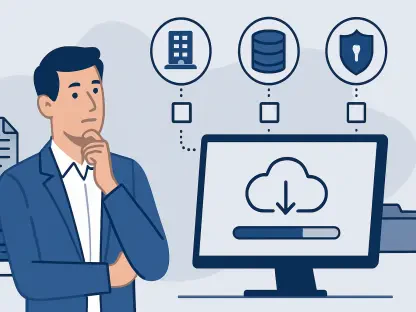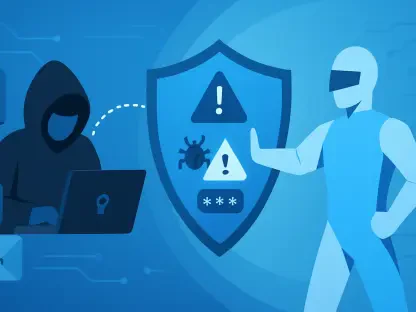

The traditional perimeter of corporate security has dissolved into a complex web of decentralized endpoints and persistent threats where simple data backup no longer provides a safety net against modern ransomware. Organizations have transitioned from asking whether they will be attacked to preparing for the inevitable moment when their systems are compromised, shifting the entire industry focus toward comprehensive cyber resiliency. Assured Data Protection (ADP) has positioned itself at the vanguard of this movement, evolving from a standard managed service provider into a critical strategic partner for global enterprises navigating these turbulent waters. This transformation is driven by a philosophy that prioritizes business continuity and rapid recovery over mere storage capacity or archival speed. Central to this strategic shift is Brian Dutton, the Chief Revenue Officer for the Americas, who has spent his tenure redefining how technology firms interact with their clients during high-stakes digital crises. By treating data protection as an active business necessity rather than a passive insurance policy, Dutton has built a framework that integrates advanced technical solutions with a deep understanding of the human elements inherent in data management. His leadership reflects a broader industry trend where the success of a security strategy is measured not by the walls it builds, but by its ability to restore operations in the face of absolute disruption.
The Human Element: Leveraging Non-traditional Backgrounds for Technical Success
Brian Dutton’s professional trajectory into the upper echelons of the technology sector was decidedly unconventional, rooted in behavioral treatment and juvenile detention facilities rather than traditional computer science. These early roles required an immense amount of empathy, patience, and the ability to de-escalate high-pressure situations, skills that are often overlooked in the rigid world of technical specifications and hardware sales. In a field where technical experts often focus solely on bits and bytes, Dutton’s background allows him to approach cyber resiliency through the lens of human behavior and crisis management. This perspective has proven invaluable when leading diverse, cross-continental teams that must remain calm and effective while clients are facing potentially catastrophic data losses. By emphasizing clear communication and emotional intelligence, he has fostered a culture where technical support is seen as a service provided to people, not just a series of tickets resolved on a server. This human-centric approach ensures that the company does not just sell a product, but provides a sense of security and reliability that resonates with executives who are responsible for the livelihoods of thousands of employees.
His professional development was further tempered by a “grinder” mentality, a term he uses to describe a proactive and persistent approach to sales and client relations that leaves no stone unturned. Under the guidance of industry veterans early in his career, Dutton learned to identify niche opportunities and build deep personal rapport with stakeholders, a strategy that helped him secure high-profile enterprise accounts while competitors were still focused on bulk transactions. This experience across various corporate acquisitions provided him with a comprehensive understanding of the entire customer lifecycle, from the initial discovery phase to long-term service retention and expansion. He realized early on that the technology sector moves too fast for reactive strategies, and that the only way to maintain a competitive edge is to anticipate client needs before they become urgent problems. This persistent drive for improvement and relationship building has become a hallmark of his leadership style, encouraging his teams to view every interaction as an opportunity to solidify a long-term partnership. By combining the resilience learned in his early career with a sophisticated understanding of the modern sales funnel, he has created a revenue organization that is as durable as the data protection solutions it represents.
Operational Integration: Redefining the Managed Service Provider Model
In his capacity as the Chief Revenue Officer for the Americas, Dutton manages revenue operations across a vast geographic area, with a primary focus on dismantling the departmental silos that often hinder rapid growth. He oversees six interconnected teams, including marketing, sales engineering, and channel organizations, ensuring that every facet of the business is working in perfect synchronization to address complex customer requirements. This integrated framework promotes a high degree of transparency and allows the company to scale its operations quickly without losing sight of the unique challenges faced by individual clients in different sectors. By aligning these various departments under a singular vision of cyber resiliency, he has ensured that marketing messages match technical capabilities and that sales promises are always grounded in engineering reality. This cohesion is critical in 2026, as the complexity of multi-cloud environments requires a level of internal coordination that most traditional vendors simply cannot match. The result is a streamlined operation that provides a seamless experience for the client, regardless of which department they are interacting with at any given time.
The organization distinguishes itself through an “ownership” mentality that extends far beyond the standard terms of a service level agreement. A definitive example of this philosophy occurred when a logistics firm was paralyzed by a massive ransomware attack, leaving its operations in a state of total collapse. Rather than simply providing remote support, an ADP engineer physically delivered recovery drives to the client’s site to bypass network bottlenecks and ensure the fastest possible restoration of business continuity. This proactive, whatever-it-takes approach transforms the relationship from a standard vendor-client transaction into a deep-rooted partnership based on mutual success during the most critical moments of a company’s existence. Dutton encourages this level of dedication across his entire team, fostering an environment where employees feel personally responsible for the safety and accessibility of client data. This commitment to going the extra mile has become a primary differentiator in the market, as businesses increasingly look for partners who will stand in the trenches with them during a crisis rather than just pointing to a contract. Such actions demonstrate that true cyber resiliency is as much about operational dedication as it is about the software and hardware being utilized.
Technical Architecture: Building Immutable Foundations for Global Recovery
The technological foundation of the company is built upon strategic partnerships with industry leaders such as Rubrik and Nutanix, creating a robust ecosystem for data defense. By utilizing immutable, policy-driven data protection, the firm ensures that backups remain shielded from any form of malicious alteration or deletion during a cyberattack. This immutability is the cornerstone of modern defense, as attackers now routinely target backup systems to prevent organizations from recovering without paying a ransom. The recent integration of hardware-free, Nutanix-based disaster recovery services has further enhanced this capability, allowing for greater agility in hybrid cloud environments across dozens of countries. This lightweight solution provides the flexibility needed to protect data across varied infrastructures without the need for massive capital expenditures on local hardware. As businesses continue to shift their workloads between on-premises servers and various cloud providers, this level of platform-agnostic protection has become essential. The combination of industry-leading software and a highly optimized delivery model allows the company to offer a level of protection that was previously only available to the largest global corporations.
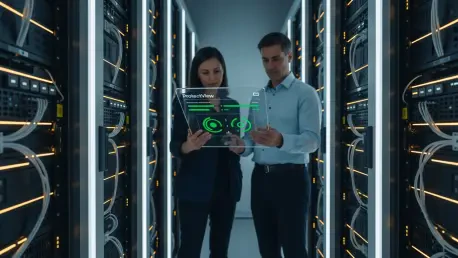
Central to the delivery of these services is ProtectView, a proprietary platform that provides a “single pane of glass” view into the health of an organization’s entire data estate. This dashboard offers the automation and management tools necessary for global reporting and oversight, giving administrators the ability to monitor their backup status in real-time regardless of where the data resides. In addition to monitoring, the introduction of “Cyber Clean Rooms” has revolutionized the recovery process by allowing businesses to scan and verify their data in isolated environments after a breach. This ensures that any latent malware or sleeper agents are identified and neutralized before the data is restored to the production environment, preventing the catastrophic cycle of re-infection. These isolated environments provide a safe harbor where IT teams can conduct forensic analysis and testing without the pressure of a live production outage. By integrating these advanced tools into a single, cohesive platform, Dutton’s team has simplified the management of complex security protocols, making high-level resiliency accessible to a broader range of organizations. The focus on visibility and verified recovery ensures that when a disaster occurs, the path back to normalcy is clear and documented.
Organizational Growth: Fostering Talent and Expanding International Reach
Rapid expansion often creates internal friction and cultural dilution, but Dutton has successfully mitigated these risks by maintaining a relentless focus on cultural alignment and professional development. As the team in the Americas doubled in size to meet increasing demand, the company relied heavily on trusted professional networks and the creation of the Assured Sales Academy. This initiative provides a structured entry point for young professionals, fostering a pipeline of talent that is specifically trained in the company’s unique methodology of accountability and mentorship. By investing in the next generation of leaders, the firm ensures that its core values are preserved even as the organization grows in complexity and geographic reach. This academy does more than just teach sales techniques; it instills a deep understanding of the technical challenges facing modern businesses and the importance of ethical, client-focused service. The result is a workforce that is not only highly skilled but also deeply committed to the company’s mission of protecting global data. This internal investment in human capital has become a significant competitive advantage, allowing the firm to maintain high standards of service while scaling at a rapid pace.
This commitment to excellence has fueled the company’s expansion into significant new international markets, including strategic entries into France and various regions within the Middle East. By establishing localized, 24/7 service capabilities and regional data centers, the firm effectively addresses the critical and growing need for data sovereignty. In an era where regulations regarding where data is stored and processed are becoming increasingly strict, having a local presence is no longer optional for a global managed service provider. These milestones were recently recognized by industry experts, placing the company high on prestigious lists of the world’s top managed service providers. The expansion strategy is not just about increasing headcount or revenue, but about building a global network of resiliency that can withstand regional disruptions. Each new market entry is preceded by a deep dive into local compliance requirements and business cultures, ensuring that the services provided are tailored to the specific needs of the region. This global-yet-local approach has allowed the company to win the trust of multinational corporations that require consistent protection across multiple jurisdictions.
Emerging Frontiers: Navigating Public Sector Compliance and AI Integration
Looking toward the immediate future of the industry, the organization is launching a dedicated Public Sector division designed to help government agencies navigate the rigorous compliance standards of the modern era. This initiative aligns Rubrik’s specialized cyber recovery platform with the unique operational requirements of federal, state, and local agencies, ensuring they can meet mandates such as CJIS and HIPAA. The public sector faces unique threats and often operates on legacy systems that are particularly vulnerable to modern ransomware, making the need for specialized resiliency services more urgent than ever. Furthermore, the upcoming launch of RecoverView 2.0 is set to enhance disaster recovery orchestration by offering automated “runbooks” that streamline the testing and execution of recovery plans. These automated tools allow agencies to prove their recovery capabilities to auditors and stakeholders without the need for manual, time-consuming drills. By simplifying the compliance and testing process, the firm is enabling public sector IT leaders to focus on their core mission of serving the public rather than getting bogged down in the minutiae of data management. This move into the public sector represents a significant growth opportunity and a chance to secure the critical infrastructure that society relies on daily.
The strategic roadmap from 2026 to 2028 includes a significant push into the realm of Generative AI to further refine both internal operations and external service delivery. The company plans to utilize predictive analytics to detect the earliest signs of a ransomware attack, often before a single file is encrypted, by identifying anomalous patterns in data behavior. These AI-driven tools will also identify the most efficient windows for data backups, minimizing the impact on system performance while ensuring maximum protection. By implementing self-service recovery assistants and intelligent efficiency tools, the firm aims to allow its highly skilled engineers to focus on high-value, strategic tasks rather than routine maintenance. Customers will benefit from faster, more intelligent resiliency solutions that can adapt in real-time to changing threat landscapes. This integration of artificial intelligence is not merely about following a trend, but about providing a proactive defense that can keep pace with the increasingly sophisticated tools used by cybercriminals. The goal is to create a self-healing data ecosystem that requires minimal human intervention to maintain the highest levels of security and availability.
Strategic Implementation: Future-proofing Global Data Infrastructure
The implementation of these comprehensive cyber resiliency strategies provided a clear roadmap for organizations that sought to move beyond the limitations of traditional backup. Leaders who recognized the shifting landscape prioritized the integration of technical immutability with human-centric service models, creating a culture of preparedness that successfully weathered the storms of the digital age. The focus on breaking down internal silos within the revenue and engineering organizations ensured that the solutions delivered were both technically sound and perfectly aligned with the business goals of the client. As the industry evolved, the successful adoption of proactive ownership mentalities transformed the way managed services were perceived, moving them from a line-item expense to a foundational pillar of corporate strategy. These initiatives established a new standard for what it meant to be a strategic partner, where the physical delivery of drives or the creation of a sales academy were seen as essential components of a global security mission. This holistic approach allowed companies to maintain operations during unprecedented disruptions, proving that resiliency was always a matter of strategy rather than just software.
The strategic insights gained during the current period offered a significant advantage for those preparing for the complexities of the years ahead. By grounding the integration of artificial intelligence in a foundation of human empathy and technical excellence, stakeholders created a balanced ecosystem that was both efficient and reliable. The move toward public sector specialized services and the automation of disaster recovery through advanced runbooks addressed the critical need for documented, verifiable security in an increasingly regulated environment. Those who invested in the development of “Cyber Clean Rooms” and predictive analytics were able to stay several steps ahead of emerging threats, ensuring that their recovery processes were as clean as they were fast. As the digital world continues to expand, the legacy of these 2026 initiatives will be a global infrastructure that is fundamentally more resilient and a workforce that is better prepared for the challenges of 2027 and beyond. The most effective path forward remained a commitment to continuous learning, the fostering of deep partnerships, and the refusal to accept anything less than total data availability. In the end, the success of these strategies was measured by the quiet confidence of businesses that knew their most valuable assets were protected by a partner who understood the true cost of downtime.