
The silent click of a mechanical lock is rapidly becoming a relic of the past, replaced by the quiet hum of servers and the invisible signals of interconnected devices. A fundamental transformation is underway in building security, moving far beyond the traditional, reactive model of guards and physical keys toward a proactive, intelligent, and deeply integrated ecosystem. This evolution is not merely about upgrading old hardware; it represents a complete shift in philosophy, where security systems are designed to anticipate and prevent threats rather than just document them after they occur. The result is an environment where safety is enhanced, operational efficiency is dramatically improved, and administrators are granted unprecedented levels of control and flexibility over their facilities. This new paradigm leverages a suite of advanced technologies to create buildings that are not just secured but are also smart, responsive, and resilient in the face of modern challenges.
The Evolution of Access Control
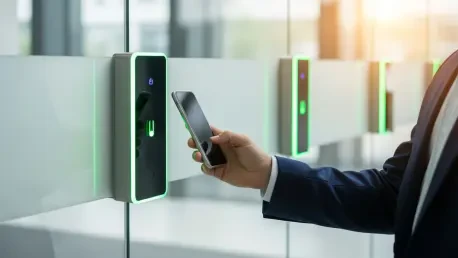
The very concept of a physical key is being rendered obsolete as facilities embrace sophisticated digital alternatives that offer superior security and management. Conventional locks and keys, long plagued by issues of loss, theft, and unauthorized duplication, are giving way to advanced access control systems that rely on electronic credentials. Smart systems utilizing programmed keycards, credentials stored on mobile devices, and cutting-edge biometric scanners have become the new standard. Biometrics, in particular, including fingerprint and facial recognition, provide a method of verification that is exceptionally difficult to forge and intrinsically tied to an individual’s unique identity. This technological leap provides a robust defense against unauthorized entry and, just as importantly, creates a detailed and immutable digital log of every access event. Facility managers can now monitor entry and exit activity in real time, generating comprehensive reports that are crucial for security audits and incident investigations, thereby eliminating the guesswork and vulnerability inherent in older, analog systems.
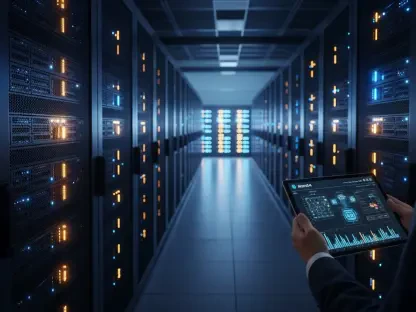
Beyond the clear security enhancements, modern access control technology delivers a level of administrative convenience and operational efficiency that was previously unimaginable. The power to manage access permissions is now centralized and can be executed remotely from any location with an internet connection. Facility managers no longer need to physically re-key locks or retrieve surrendered keys; they can grant or revoke access rights for any individual instantly through a software interface. This capability is particularly valuable in dynamic environments with fluctuating staff, contractors, or visitor schedules. Furthermore, these systems allow for highly granular control, enabling administrators to create customized access schedules that restrict entry to specific areas at designated times. An employee might have 24/7 access to the main office but only be permitted into a high-security server room during scheduled work hours, a level of precision that significantly strengthens an organization’s overall security posture while streamlining day-to-day operations.
Intelligent Surveillance and Integrated Platforms
The role of video surveillance has been completely redefined by the integration of artificial intelligence, transforming it from a passive recording tool into an active, intelligent security asset. While modern IP cameras provide high-definition footage that can be accessed remotely, their true power is unlocked when paired with AI-powered video analytics. These sophisticated algorithms can analyze video streams in real time to identify and flag specific behaviors or anomalies that may indicate a potential threat. The system can be trained to detect unusual activity, such as a person loitering in a restricted area after hours, an abandoned package, or the formation of a crowd. It can also perform advanced functions like facial recognition to identify authorized personnel or alert security teams to the presence of an individual on a watchlist. This proactive capability allows security personnel to intervene before an incident escalates, effectively preventing theft, vandalism, or unauthorized access, and fundamentally shifting the security posture from reactive investigation to preventative action.
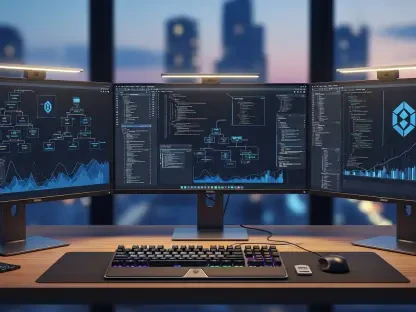
The trend toward consolidation has led to the rise of powerful integrated security platforms that unify disparate systems into a single, cohesive interface. In the past, functions like access control, video surveillance, intruder alarms, and visitor management often operated in silos, each with its own software and monitoring station. This fragmentation created inefficiencies and hindered the ability of security teams to respond to incidents in a coordinated manner. Today’s integrated platforms, frequently powered by scalable cloud-based technology, bring all these components together. From a single dashboard, accessible via a desktop computer or a mobile device, an administrator can view live camera feeds, lock or unlock doors, manage alarm systems, and track visitor movements. This holistic view enables a faster, more effective response to security events. For instance, an unauthorized access attempt can automatically trigger nearby cameras to record, lock down adjacent doors, and send an instant alert with video verification to security personnel, ensuring a seamless and rapid reaction to any potential threat.
The Convergence of Physical and Cyber Defenses
The increasing connectivity of building management systems has necessitated a critical convergence of physical and digital security protocols. As smart locks, IP cameras, and environmental sensors became networked, they also introduced new vulnerabilities that could be exploited by cyber threats. This reality drove the implementation of robust cybersecurity measures as an essential component of modern building security. Protecting the digital infrastructure that controls physical access points became paramount, leading to the widespread adoption of strong encryption for all data transmitted between devices and servers. Furthermore, multi-factor authentication was integrated into administrative portals to ensure that only authorized personnel could make changes to the security system’s configuration. This fusion of cyber and physical defenses created a layered security strategy where the integrity of the digital network was just as crucial as the strength of the locks on the doors, ensuring that the entire security ecosystem was protected from both physical intrusion and remote digital attacks.
Technology has ultimately proven instrumental in enhancing emergency response capabilities, enabling automated and coordinated actions that minimize damage and protect human life. Integrated security platforms were designed to interface directly with fire alarm systems, active shooter detection systems, and other emergency triggers. Upon detection of a threat, these systems could automatically execute a pre-programmed set of protocols. For example, a fire alarm could trigger the system to unlock all doors along designated egress paths while simultaneously alerting first responders with precise location data. Conversely, an active threat could initiate a building-wide lockdown, secure all perimeter entry points, and send mass notifications to occupants with instructions to shelter in place. This level of automation removes the potential for human error in high-stress situations and ensures that critical response actions are taken in seconds, not minutes. The result is the creation of building environments that are not just safer but are also intelligently responsive to a wide range of emergencies.