
Context-aware security models move beyond binary access decisions by synthesizing behavioral data and device health to protect patient information. In the current 2026 landscape, the medical sector faces a complex “identity conundrum” that pits the necessity of rapid clinical data access against the requirement for total data privacy. Every digital doorway into a healthcare network, from bedside tablets to remote administrative terminals, represents a potential target for sophisticated cyber threats. Medical professionals require near-instantaneous access to Electronic Health Records and critical scheduling systems to ensure patient safety, yet traditional security measures often create significant friction that can delay life-saving decisions. This high-stakes environment demands a sophisticated balance where protection does not compromise the speed of care. RSA ID Plus addresses this challenge by providing a resilient, flexible platform that streamlines the authentication process while maintaining a robust security posture across all facets of a healthcare organization’s diverse digital infrastructure.
Strengthening Defenses with Intelligence and Context
Leveraging AI for Adaptive Security Controls
Modern identity management has moved past the era of static password policies, which are often easily circumvented by social engineering and phishing tactics. RSA ID Plus integrates Risk AI to implement adaptive security controls that evaluate every access request through a multidimensional lens. Instead of a simple response based on a password, the system analyzes the context of the login attempt in real time. This involves checking whether the request follows established user patterns or if it displays anomalies that might indicate a compromised account. By automating these risk assessments, healthcare IT departments ensure that legitimate clinicians face minimal hurdles, while suspicious activities are met with additional verification requirements. This intelligence-driven approach is essential as the volume of medical data increases and the sophistication of automated cyberattacks continues to evolve at an unprecedented pace.
The practical application of this adaptive logic becomes clear when considering the physical and digital geography of a hospital. A clinician logging into a standard workstation within a secure nurse’s station is operating in a low-risk environment compared to an administrator attempting to access financial records from a remote, unfamiliar network. RSA ID Plus distinguishes between these scenarios by weighing factors such as geographic location, time of day, and the sensitivity of the requested resource. When the risk score exceeds a specific threshold, the platform can dynamically trigger secondary authentication steps or even deny access entirely to protect the network. This ensures that the security infrastructure is responsive to the environment, providing a nuanced defense that traditional, one-size-fits-all security tools simply cannot match. This level of granular control allows hospitals to maintain high security standards without burdening staff who are performing routine tasks.
Enhancing Device Integrity with Mobile Lock
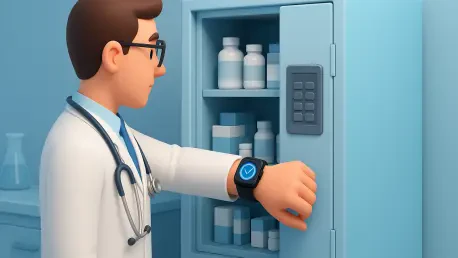
Beyond user behavior, the integrity of the hardware being used to access medical systems is a critical component of a modern security strategy. The platform incorporates RSA Mobile Lock, a feature specifically designed to evaluate the security posture of mobile devices before any authentication occurs. This is particularly relevant in healthcare settings where staff frequently use a mix of managed hospital devices and personal smartphones to stay connected. Mobile Lock scans for indicators of compromise, such as rooting, jailbreaking, or the presence of malicious software that could intercept sensitive login credentials. By enforcing these checks at the device level, the system ensures that the hardware itself does not become a weak link in the organization’s overall security chain. This proactive scrutiny is vital for preventing data breaches that originate from infected or unmanaged mobile endpoints that frequently move in and out of the hospital network.
The synthesis of device health with user identity creates a context-aware security posture that is robust enough to handle the dynamic movement of hospital personnel. As clinicians move between different departments, wards, and even separate facilities, their security needs and risks shift constantly. RSA ID Plus tracks these transitions and ensures that the access privileges granted are always appropriate for the current situation. This approach minimizes the risk of privilege creep, where users retain access rights they no longer need for their current duties. By continuously monitoring both the device and the user, the platform provides a comprehensive layer of protection that follows the professional throughout their shift. This is especially important for protecting patient confidentiality in high-traffic areas where devices might be shared or used in less-controlled physical environments. The result is a more secure infrastructure that adapts to the human element of medicine.
Ensuring Resilience and System Availability
Maintaining Access Through Hybrid Failover Capabilities
For healthcare organizations, digital availability is directly linked to patient outcomes, making system downtime a life-threatening risk rather than just an IT inconvenience. RSA ID Plus addresses this by being engineered for high operational resilience, specifically supporting the complex hybrid environments that define modern medical facilities. While many organizations are moving toward cloud-first strategies, they still maintain significant on-premises resources and legacy systems that are critical to daily operations. The fear of a cloud outage disconnecting a hospital from its own data is a major concern for IT leaders. RSA ID Plus mitigates this risk by offering an architecture that supports cloud, on-premises, and hybrid infrastructures simultaneously. This ensures that the security layer is as dependable as the clinical systems it protects, providing a foundation of trust that is essential for administrators who must guarantee constant uptime for their medical teams.
One of the most significant features for ensuring continuous operations is the hybrid authentication failover capability. In the event of a significant internet service interruption or a regional cloud outage, the platform allows users to continue authenticating to local systems using secure methods like one-time passwords. This prevents the cloud service from becoming a single point of failure that could paralyze a hospital’s ability to function during a crisis. By maintaining a local authentication path for mission-critical applications, RSA ID Plus ensures that the pulse of the healthcare facility remains steady regardless of external technical issues. This resilience is a critical requirement for any organization that operates in a high-stakes environment where even a few minutes of lost access can lead to catastrophic delays in treatment. The platform thus provides a safety net that protects both the data and the patients who depend on the availability of that information.
Integrating Seamlessly with Existing IT Infrastructure
Large healthcare systems often struggle with the complexity of multi-generational IT stacks, where modern cloud applications must coexist with legacy databases and on-premises directories. RSA ID Plus is designed to integrate seamlessly with these diverse environments, supporting industry standards such as SAML 2.0, OIDC, and RADIUS. It connects directly with established identity infrastructures like Microsoft Active Directory and Entra ID, allowing for a unified view of user identities across the entire organization. This broad compatibility enables IT teams to implement advanced security measures without the need for a disruptive and expensive overhaul of their existing software. By sitting atop the current infrastructure, the platform acts as a bridge that modernizes security protocols while respecting the technological investments the organization has already made. This ease of integration is a key factor in successful deployment and long-term staff adoption.
The trend toward coexistence in identity management allows healthcare providers to evolve their security strategies at a sustainable pace. RSA ID Plus facilitated this by providing a single platform that managed access for a vast array of applications, from cutting-edge telemedicine tools to legacy patient billing software. This centralized management reduced the administrative burden on IT staff, who no longer needed to maintain separate, siloed security protocols for different parts of the network. Furthermore, the ability to apply consistent security policies across all platforms ensured that there were no gaps or inconsistencies in the organization’s defense strategy. As hospitals continued to expand their digital footprints, having a flexible and integrated identity solution became increasingly important for maintaining control and visibility. The platform’s ability to grow and adapt alongside the healthcare organization made it a strategic asset for long-term digital transformation and operational security.
Strategic Lessons: Future-Proofing Healthcare Identity
Looking back at the implementation of these advanced systems, healthcare administrators recognized that identity management served as a foundational pillar of their digital resilience. Organizations that prioritized integrated platforms were better positioned to handle the evolving threat landscape that emerged throughout the decade. To achieve these results, IT leaders began by conducting thorough audits of their current access points and identifying where friction most heavily impacted clinical performance. They then moved toward implementing adaptive risk-based authentication to replace rigid, outdated policies. This proactive shift allowed facilities to respond to threats in real time without human intervention. By centralizing identity across cloud and local resources, these organizations ensured that their security remained consistent even as they expanded their services. These steps became the blueprint for hospitals that aimed to protect patient data while maintaining high-speed access.
The deployment of these intelligent identity solutions ultimately proved that security and efficiency were not mutually exclusive goals. By adopting a holistic view of the user and their device, healthcare providers successfully reduced their attack surfaces while simultaneously improving the daily workflows of their medical staff. The lessons learned during this period emphasized the importance of resilience and flexibility in the face of both technical failures and cyberattacks. Moving forward, the industry focus shifted toward maintaining this balance by continuously refining risk models and expanding the use of password-free technologies. This strategic approach ensured that the technological infrastructure supported the mission of providing high-quality care rather than detracting from it. As the industry continued to innovate, those who built their systems on a foundation of intelligent, context-aware identity management remained the most secure and efficient providers in the field.