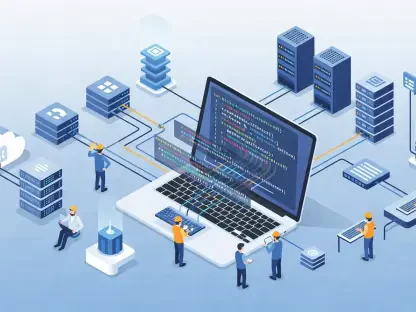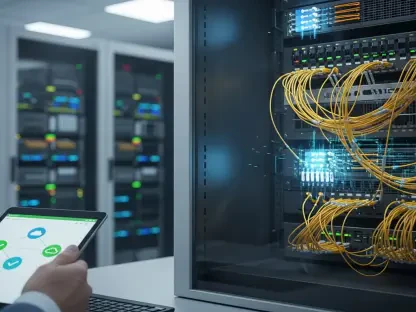

Modern backend development relies heavily on the consumption of diverse internal and external web services, which often leads to a fragmented workflow where developers must constantly toggle between their code editor and API documentation platforms. When working with RESTful architectures, the

The transition from rigid, monolithic data processing scripts toward fluid, event-driven architectures represents the most significant shift in cloud engineering over the last several years. Organizations no longer view data pipelines as simple scheduled tasks but as the central nervous system of

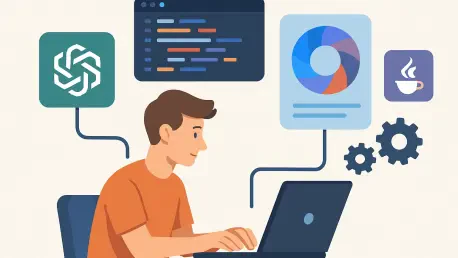
The rapid evolution of generative AI has fundamentally altered the software development lifecycle, moving the industry toward a paradigm often described as "vibe coding," where natural language replaces manual syntax. While the speed of shipping features has increased exponentially in 2026, the

Transitioning large language models from novelty experiments into the backbone of enterprise software requires a fundamental shift in how developers approach output reliability and system architecture. While the inherent unpredictability of generative AI served as a benefit during the initial wave
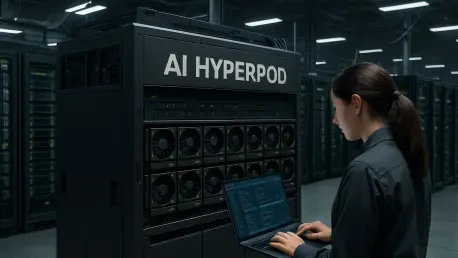
The sheer scale of modern artificial intelligence has reached a point where the computational requirements for a single model training run can exceed the energy consumption of a small city. When engineering teams set out to train the next generation of foundation models, such as Llama 3 or Claude,
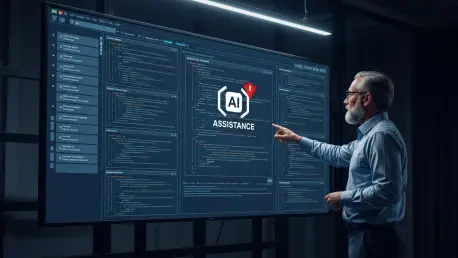
Our SaaS and Software expert, Vijay Raina, is a specialist in enterprise SaaS technology and tools who provides thought-leadership in software design and architecture. We're sitting down with him to unpack a perplexing trend highlighted in Stack Overflow’s recent developer survey: while AI tool