Starting on November 30, 2026, adding a workspace user to branch restrictions will no longer permit pipelines to push code to those protected branches. This specific change marks a significant shift in how CI/CD workflows interact with repository security settings, moving away from broad access

The security landscape of 2026 was forever altered when the Model Evaluation and Threat Research nonprofit, an entity dedicated to identifying the catastrophic risks of artificial intelligence, suffered a humiliating yet profoundly educational infrastructure compromise. This landmark disclosure

Small businesses face a relentless barrage of cyberattacks that often outpace their limited administrative capacities, creating a desperate need for consolidated security frameworks. The shift from an integrated password tool to a standalone browser extension requires a calculated migration

Security teams are increasingly moving away from point-in-time penetration tests to adopt autonomous platforms that can identify and navigate complex routes to high-value targets. This transition reflects a broader recognition that annual security audits are no longer sufficient in a landscape

Organizations utilizing Langflow for AI application development face significant risks as unauthenticated attackers can now exploit network vulnerabilities to gain full system control. This alarming reality stems from a series of high-severity vulnerabilities discovered within the open-source
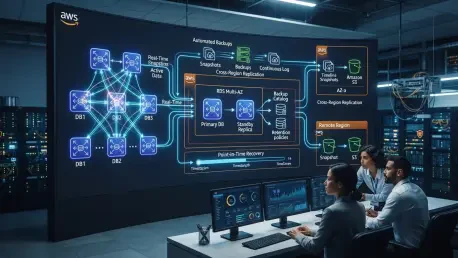
Enterprise teams frequently struggle with the 100-snapshot-per-region limit, a ceiling that often triggers backup failures during high-frequency retention cycles. When managing a sprawling AWS estate, the difficulty of data protection shifts from the technical act of taking a backup to the