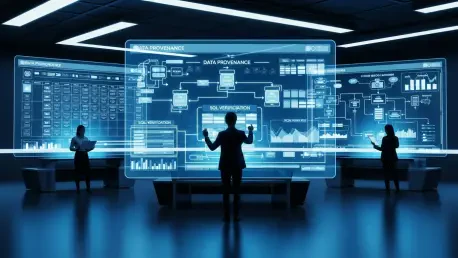
The rapid transition from experimental large language model demonstrations to hardened enterprise-grade autonomous systems has fundamentally shifted the focus of developers from mere output generation to the rigorous verification of every internal decision-making step. As organizations deploy

The transition from rigid, monolithic data processing scripts toward fluid, event-driven architectures represents the most significant shift in cloud engineering over the last several years. Organizations no longer view data pipelines as simple scheduled tasks but as the central nervous system of
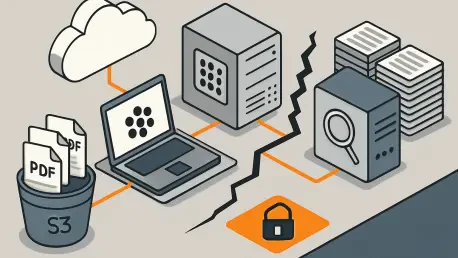
The initial charm of building a Retrieval-Augmented Generation (RAG) system often masks a looming technical debt that remains invisible until the first thousand documents become ten million. In a typical pilot phase, a developer might simply pipe a few PDFs into an Amazon S3 bucket, trigger a

The rapid decentralization of the modern workforce has forced a massive reassessment of how internal human resource departments interact with third-party service providers. In an era defined by fluctuating economic conditions and the necessity for agility, the traditional methods of managing
Transitioning large language models from novelty experiments into the backbone of enterprise software requires a fundamental shift in how developers approach output reliability and system architecture. While the inherent unpredictability of generative AI served as a benefit during the initial wave
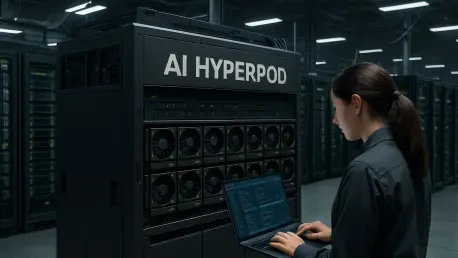
The sheer scale of modern artificial intelligence has reached a point where the computational requirements for a single model training run can exceed the energy consumption of a small city. When engineering teams set out to train the next generation of foundation models, such as Llama 3 or Claude,