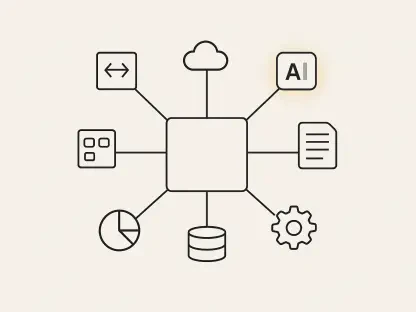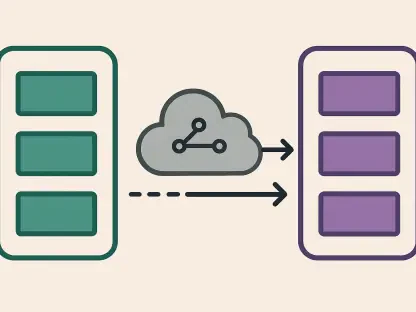

As a specialist in enterprise SaaS, I’ve seen firsthand how the integration of Large Language Models is revolutionizing software. However, moving from a fascinating demo to a secure, production-ready service is where the real challenge lies. Today, we're diving deep into the Model Context Protocol

The journey for an Indian software-as-a-service company from local success to global contender is often bottlenecked not by product quality but by the intractable complexities of international payment processing. Beyond Simple Transactions The New Imperative for Indian Businesses on the World Stage

The carefully crafted email to a skeptical stakeholder lands with the wrong tone, a critical status report includes a hallucinated dependency, and the acceptance criteria for a new feature are so generic they miss the project’s entire point. These are not failures of artificial intelligence; they

The Model Context Protocol (MCP) is rapidly emerging as the open standard for connecting Large Language Model applications with external tools and data, promising to streamline development and foster a rich ecosystem of integrations. While this standardization offers significant convenience, its

In the intricate landscape of container security, a single command-line flag has long served as the ultimate symbol of risk, a clear and present danger that security teams are trained to identify and eliminate on sight. The --privileged flag is a well-documented vulnerability, a known quantity that

The insurance industry, a sector built upon centuries of data collection and risk assessment, now confronts a profound modern paradox: possessing a veritable treasure trove of information while struggling to extract its true value on an enterprise-wide scale. While insurers are theoretically ideal