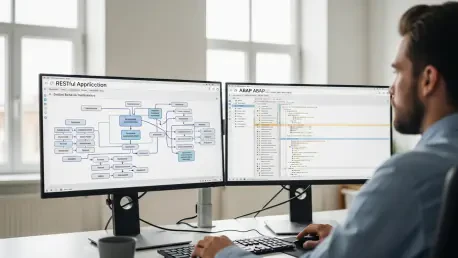
The fundamental shift from legacy procedural function modules toward a standardized RESTful architecture represents a critical turning point for enterprises currently managing complex SAP S/4HANA environments. This evolution marks the transition from the traditional Business Application Programming

The rapid evolution of modern prediction markets has transformed event-based trading from a manual exercise in political or economic forecasting into a sophisticated technological arms race. Navigating the complexities of the Kalshi exchange through its public Application Programming Interface

The fragmented landscape of early decentralized technology has rapidly evolved into a sophisticated visibility layer that serves as the primary gateway for users navigating the expansive web of modern applications. In previous cycles, locating functional tools required navigating a chaotic mix of

The persistent friction resulting from disparate JavaScript build tools has long stifled developer productivity and increased the overhead of shipping modern web applications to the global edge. For years, the software industry struggled with a fragmented ecosystem where compilers, bundlers, and
The complex web of microservices often hides the root cause of failures behind layers of asynchronous calls and transient network issues. As software systems expand, the need for deep observability becomes a fundamental requirement for maintaining high availability. Implementing a standard

The current landscape of corporate operations is defined by a relentless drive toward maximum efficiency, yet many organizations remain shackled by the manual processing of unstructured data. Despite the rapid advancement of digital ecosystems, the physical document remains a persistent anchor in