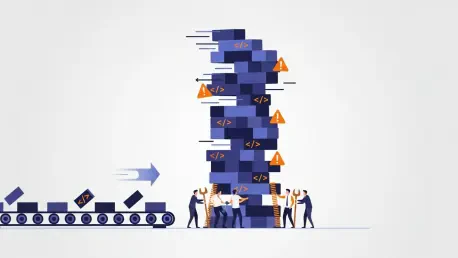
The relentless pursuit of accelerated software delivery has driven the technology sector headlong into the arms of artificial intelligence, yet this rush toward automated productivity is revealing a troubling paradox where speed is gained at the direct expense of code quality. The industry is

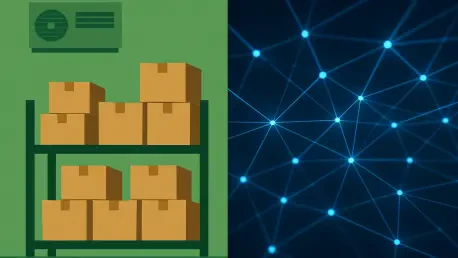
The world's most advanced artificial intelligence models, capable of composing symphonies and diagnosing complex diseases, often stumble when asked for the current price of a stock or the status of a shipping order. This paradox highlights the critical gap between AI's immense reasoning power and

The modern digital landscape has fundamentally transformed the concept of a workspace, making the ability to control a computer from any location not just a convenience but often a necessity. Whether you are a professional needing to access a critical file left on an office desktop, a tech-savvy
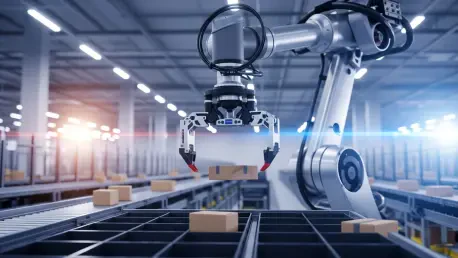
In the highly competitive world of third-party logistics, the ability to flexibly manage a vast and ever-changing assortment of products is not just an advantage but a fundamental requirement for survival and growth. Swedish TPL provider Nowaste Logistics is taking a significant step in this
A fundamental restructuring of the global economic landscape is underway, driven by a powerful confluence of disruptive technologies, evolving financial models, and a palpable shift in societal values. The traditional pillars of finance and industry are being challenged by decentralized networks

Many organizations embark on ambitious test automation initiatives with the expectation of revolutionizing their software delivery pipelines, yet they consistently find themselves struggling to realize the anticipated return on investment. This challenge is particularly acute in high-stakes