
In the rapidly evolving realm of digital payments, Point-of-Sale (POS) systems serve as the critical backbone for countless transactions, facilitating smooth and secure exchanges between consumers and merchants across the globe. As technology advances at a breakneck pace with innovations like

In the rapidly evolving landscape of the automotive industry, a profound transformation is taking place as software-defined vehicles (SDVs) redefine what a car can be, shifting the focus from mechanical engineering to digital innovation. No longer just modes of transportation, vehicles are becoming

Imagine a software project launched with high hopes, only to become a tangled mess of code within a few years, where even the smallest change requires weeks of effort and introduces countless bugs, a scenario all too common in the tech industry. Rigid methodologies often fail to keep pace with
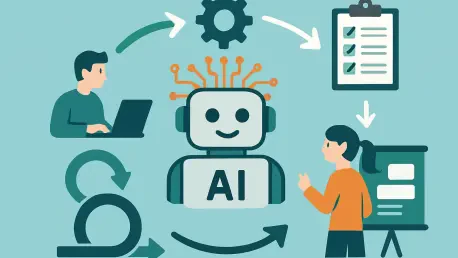
Imagine a software development team racing against tight deadlines, juggling sprint planning, risk analysis, and stakeholder communication, only to find repetitive tasks eating into their creative bandwidth, and wondering if AI agents could step in to alleviate this burden. Could these agents act

Have you ever considered how often software projects miss the mark, failing to deliver what stakeholders envisioned, despite countless hours of coding and testing? Picture a major retail company launching an app, only to find that the checkout feature frustrates users due to a misunderstanding

What happens when the biggest obstacle in software development isn’t a bug in the code, but a breakdown in human connection? In 2025, as tech projects grow more complex, the role of software architects emerges as a linchpin for success, not just in crafting systems but in shaping the minds behind