
The persistent friction between a developer's local coding environment and the rigorous demands of production-grade deployment pipelines has long been the primary bottleneck in software engineering velocity across the global technology sector. Historically, this divide was managed by splitting the

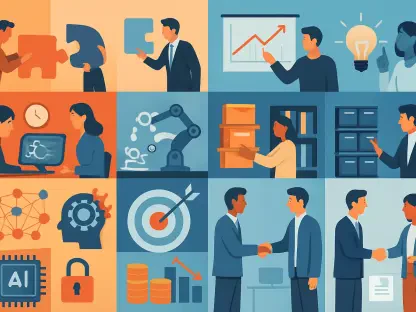
High-performance software organizations have come to realize that the most persistent bottlenecks in their delivery pipelines are usually rooted in human communication rather than in server configurations or coding errors. This realization marks a fundamental shift in how businesses approach
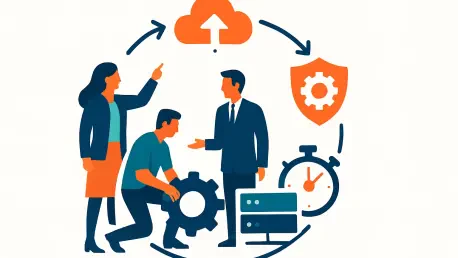
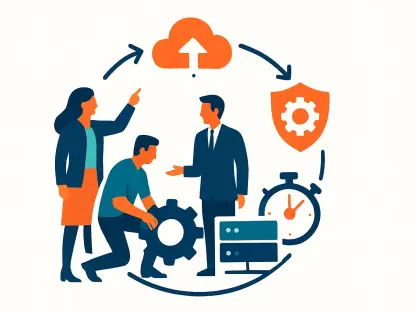
The digital infrastructure of a global enterprise now functions much like a central nervous system, where a single severed connection can paralyze the entire body within milliseconds. In this high-stakes environment, the financial repercussions of downtime have shifted from mere operational

Transitioning large language models from novelty experiments into the backbone of enterprise software requires a fundamental shift in how developers approach output reliability and system architecture. While the inherent unpredictability of generative AI served as a benefit during the initial wave
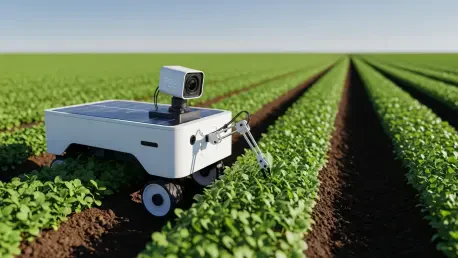
The relentless narrative of artificial intelligence as a harbinger of job obsolescence and societal disruption often overshadows a quieter, yet profoundly significant, revolution where the same technology is being meticulously engineered to solve humanity’s most intractable problems. While concerns

The sprawling digital estates of modern enterprises, a complex web of on-premises software, cloud services, and SaaS subscriptions, have rendered traditional Software Asset Management (SAM) methods largely obsolete and ineffective. These legacy approaches are inherently reactive, often mired in the