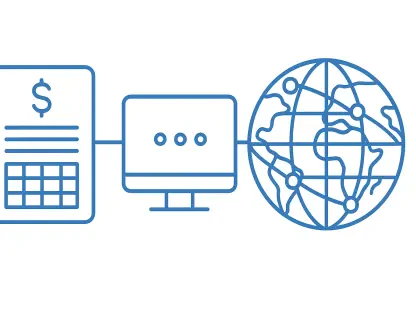

The traditional reliance on alphanumeric passwords has long been recognized as the primary structural weakness in the global digital infrastructure, leading to a widespread push toward asymmetric cryptography. This shift is not merely a technical upgrade but a fundamental reimagining of how

The digital landscape has undergone a seismic shift as enterprises aggressively integrate generative artificial intelligence and distributed cloud architectures into their core operational workflows. While these innovations drive unprecedented efficiency, they have simultaneously diverted critical

The rapid evolution of cloud-native orchestration reached a pivotal milestone on December 17, 2025, when the Kubernetes community unveiled version 1.35, a release specifically engineered to address the complexities of modern artificial intelligence and resource efficiency. While many organizations
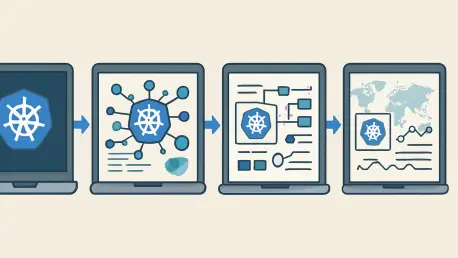
The current technological landscape demonstrates that the days of managing Kubernetes through a single, localized desktop application are rapidly fading into historical obscurity as enterprise requirements evolve. While individual resource browsers once provided a necessary window into the nascent

Enterprises are finding that the once-celebrated centralized data lake has become a cumbersome liability in the race for generative artificial intelligence dominance. While the early part of the decade focused on sheer volume, the current landscape of 2026 demands precision, context, and agility

The persistence of Secure File Transfer Protocol in a world dominated by modern APIs and event-driven architectures is a testament to the reliability of established enterprise standards. While many predicted the demise of legacy file transfers, the reality is that major financial institutions,