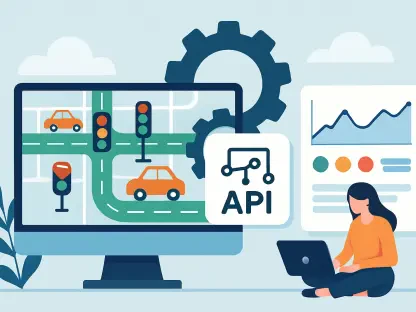
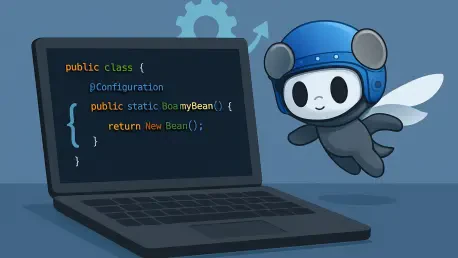
The difference between an artificial intelligence that merely suggests code and one that autonomously repairs a broken build often comes down to the invisible infrastructure supporting the language runtime. As Java continues its rapid six-month release cadence, reaching the milestone of JDK 25, the
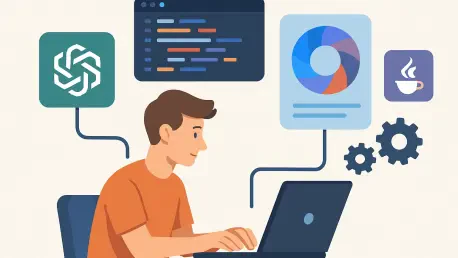
Java developers have long endured a paradox where the language powering the world’s most critical enterprise systems felt strangely left behind during the initial explosion of generative artificial intelligence. While Python and TypeScript ecosystems flourished with streamlined libraries and rapid

Traditional infrastructure monitoring often misses the most critical failure mode of modern artificial intelligence: the moment a system stops being helpful and starts being convincingly wrong. Unlike legacy web services that announce internal problems through 500-series error codes, agentic
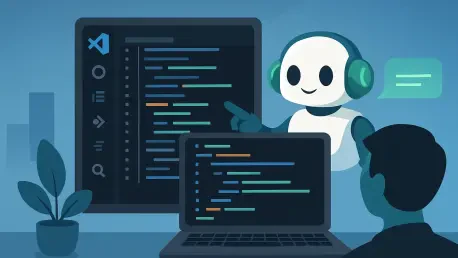
Vijay Raina is a distinguished specialist in enterprise SaaS technology and a recognized thought leader in software design and architecture. With deep expertise in navigating complex codebases and optimizing development lifecycles, he has become a leading voice on integrating AI-assisted tools into

Modern software engineering has shifted toward treating natural language interfaces as sophisticated orchestration layers rather than isolated experimental features. Instead of functioning as standalone silos, AI chatbots now serve as critical translation tiers that convert complex human intent

Industrial landscapes are currently littered with high-tech hardware that remains fundamentally tethered to distant server farms, creating a paradox where local autonomy is more of a marketing slogan than a technical reality. While the narrative surrounding edge computing suggests a revolutionary