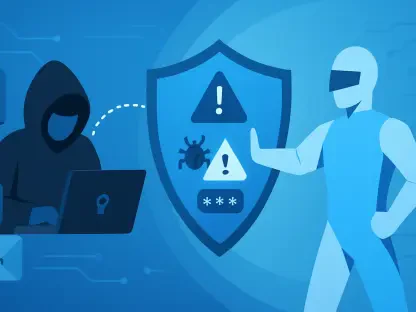

The digital foundation of modern education faced an unprecedented challenge in May 2026 when a sophisticated cyber intrusion compromised the Canvas learning management system, effectively paralyzing academic operations for millions of students. This sudden disruption occurred at the most critical juncture of the academic calendar, coinciding with the peak of final examination preparations across approximately 9,000 schools worldwide. Faculty and students found themselves abruptly locked out of vital digital repositories containing course syllabi, lecture notes, and critical assignment portals, leading to widespread anxiety. The scale of the incident underscored the precarious nature of centralized educational technology. As the hacking collective known as ShinyHunters claimed responsibility, the initial shock transitioned into a frantic effort by IT departments to provide alternative resources while waiting for official updates. This event served as a stark reminder that the digital classrooms of 2026 are as vulnerable to external aggression as any corporate database, necessitating a total reevaluation of institutional reliance on single-vendor solutions.
Infiltration Dynamics and the Extortion Campaign
Building on the initial breach, the threat actors demonstrated a high level of technical sophistication by gaining access to an environment containing billions of private messages and student records. The group initially utilized the platform’s internal messaging infrastructure to broadcast demands, urging educational institutions to enter settlement negotiations to prevent the public release of sensitive data. In response, Instructure’s leadership immediately deployed external forensic experts to isolate the affected systems and purge the intruders from the environment. While the hackers boasted about the volume of data harvested, Chief Information Security Officer Steve Proud clarified that the exposure was limited to student names, identification numbers, and email addresses. Crucially, the breach did not extend to sensitive financial data, passwords, or government identifiers, which significantly mitigated the potential for long-term identity theft. By May 8, the company successfully restored full functionality, signaling a temporary end to the immediate crisis while leaving a trail of questions regarding the long-term security of student information.
Strengthening Digital Infrastructure Against Future Threats
The fallout from this incident necessitated a shift in how educational institutions approached cybersecurity through 2026 and into 2028. Academic leaders recognized that maintaining simple perimeter defenses was no longer sufficient and instead pivoted toward implementing zero-trust architectures that required continuous verification for every user access request. Schools moved to diversify their digital ecosystems, ensuring that critical instructional materials remained accessible through redundant, offline-capable systems to prevent a single point of failure from halting operations. Furthermore, the event prompted a rigorous review of data retention policies, leading many districts to minimize the amount of personal information stored within third-party learning management systems. This proactive stance effectively transformed the crisis into a catalyst for a more resilient educational infrastructure. Stakeholders prioritized the encryption of internal communications and established clearer protocols for rapid-response communication with students during periods of systemic failure, ensuring that the academic community remained prepared for future digital volatilities.