
The sudden and unprecedented surge in high-density computing infrastructure has forced municipal leaders to pause and reconsider how these massive facilities integrate into the fabric of small-town life. Ludlow officials recently approved a measure that halts all new data center development for the next twelve months to ensure that the existing zoning laws and infrastructure can handle the massive energy and water demands typical of such projects. This decision reflects a growing national trend where local governments are caught between the promise of significant tax revenue and the reality of potential environmental strain and noise pollution. By implementing this moratorium, the town aims to gather comprehensive data on how hyper-scale facilities affect local power grids and whether the long-term benefits truly outweigh the immediate disruption to the community’s character. This period of reflection provides a necessary buffer for residents and planners to discuss the future of their landscape without the pressure of pending applications.
Resource Management: Assessing Infrastructure Demands
The primary driver behind this temporary ban involves the sheer scale of utility consumption required by modern data centers, which often utilize liquid cooling systems and massive electrical arrays. Local utility providers have expressed concerns about the stability of the regional grid if multiple large-scale facilities were to come online simultaneously within a narrow timeframe. The town council noted that without a clear understanding of the cumulative load, the risk of brownouts or increased electricity costs for residential customers becomes a significant liability. Furthermore, the noise generated by industrial-scale cooling fans has become a point of contention in neighboring jurisdictions, prompting Ludlow to seek specific noise mitigation standards that are currently absent from their zoning bylaws. Planners are now tasked with conducting a thorough assessment of how these facilities utilize water resources, particularly during peak summer months when the local supply is already under stress from agricultural and domestic needs.
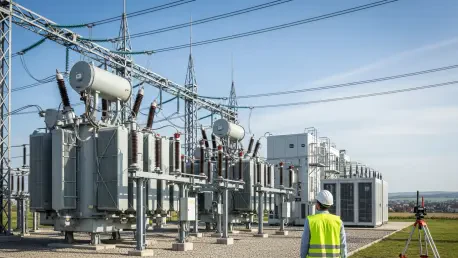
Building on these infrastructure concerns, the town must evaluate the long-term resilience of its technical backbone in the face of rapidly evolving server technologies. The current pace of hardware advancement means that facilities built today may require significant power upgrades as soon as the 2026 to 2030 cycle begins. By establishing a twelve-month moratorium, the planning department can work with engineers to simulate growth scenarios and determine if the current substation capacity is sufficient for the projected electrical demand. This proactive analysis prevents the town from entering into agreements that might later necessitate expensive, taxpayer-funded expansions of the power grid. Additionally, the study will investigate the feasibility of requiring data centers to implement self-contained energy solutions, such as on-site microgrids or battery storage. Such measures could help stabilize the local market and ensure that industrial energy consumption does not compromise the service provided to local hospitals, schools, and homes.
Future Governance: Actionable Frameworks for Local Growth
The municipal leadership reached a consensus that the moratorium served as a vital tool for community preservation during a period of rapid technological expansion. They recognized that the existing regulatory framework was insufficient to manage the complexities of hyper-scale server farms, leading to the enactment of the twelve-month study period. Throughout the deliberative process, the town council prioritized the concerns of local residents regarding noise pollution and the potential strain on the public water supply. The decision-making body successfully engaged with environmental consultants to outline the necessary protections for the area’s natural resources, ensuring that future industrial growth would not come at the expense of ecological stability. This retrospective analysis proved that taking a pause was more beneficial than rushing into long-term infrastructure commitments without adequate data. By the end of the legislative session, the town had successfully established a precedent for balanced and responsible governance in the digital age.
Looking at the necessary next steps, the town council established a requirement for all future developers to submit detailed energy-efficiency plans that included waste-heat recovery systems as a standard feature. They mandated that a multi-tiered review process be conducted for any project exceeding a specific power threshold, ensuring that the local grid remained stable during the peak growth years from 2026 to 2030. Furthermore, the administration created a dedicated oversight committee composed of environmental scientists and local residents to monitor the noise levels and water usage of any newly approved facilities. The planners also identified specific industrial zones that were better suited for high-density computing, thereby preventing the encroachment of large-scale infrastructure into established residential neighborhoods. These actions provided a clear framework for future growth and ensured that the community’s interests were protected against the pressures of rapid technological expansion.