
The sudden explosion of generative intelligence forced modern corporations into a precarious balancing act between radical innovation and the potential exposure of their most sensitive intellectual property. MZLA Technologies, a subsidiary of Mozilla, recently altered this landscape with Thunderbolt, an open-source, self-hosted client that empowers organizations to run advanced AI locally. This shift effectively dismantled the long-standing trade-off between intelligence and data security.
The End of the Third-Party AI Data Dilemma
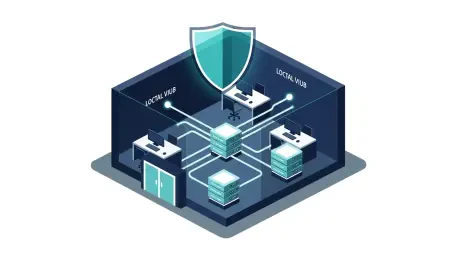
Generative AI adoption often arrives with a hidden risk: proprietary code or financial strategies might leak into public training sets. Enterprises have historically struggled with these dependencies, worrying that a private query becomes a public data point. Thunderbolt provided a sanctuary by localizing chat, search, and research functions within a private server room. By removing the need for “blind trust” in external providers, it returned power to the internal IT department.
Why Data Sovereignty is the New Enterprise Mandate
Data is the most critical asset for any business, making the routing of internal knowledge through foreign infrastructure a liability. Traditional integrations require companies to hope that a provider’s privacy policy remains unchanged. Thunderbolt ensured that the digital brain of an organization stays within its own walls. This approach is about maintaining absolute control over the tools that define corporate identity and future growth.
The Technical Framework of a Self-Hosted AI Ecosystem
Thunderbolt serves as a versatile command center bridging legacy systems and modern intelligence. Built on the Haystack platform, it utilizes backend orchestration to manage data flows. The architecture supports standard protocols, allowing it to communicate across diverse software environments. This flexibility let administrators choose between commercial models or specialized open-source alternatives based on specific project needs.
Championing the “Sovereign AI” Movement
CEO Ryan Sipes argued that AI technology is far too vital to be outsourced to external entities. This perspective fueled the Sovereign AI movement, which posits that stability requires owning the entire stack. Through robust encryption and access controls, Thunderbolt enabled companies to build custom intelligence layers. These systems respected safety standards and met regulatory requirements without compromising output quality.
Strategies for Integrating Thunderbolt into Corporate Workflows
Successful deployment required a rigorous assessment of private servers to handle local orchestration. Teams then identified high-value tasks, such as report compilation, to demonstrate immediate returns. Administrators utilized granular tools to define data pipelines, ensuring a strict security posture. Developers leveraged transparent source code to customize the tool for niche applications, ensuring that organizational autonomy remained the priority for all future updates.