
The initial promise of cryptocurrency was one of radical decentralization, where anyone with a computer could participate in and profit from securing a global financial network. However, the reality that unfolded was starkly different, as the computational arms race for digital assets rapidly escalated, erecting formidable barriers to entry for the average individual. The immense capital required for specialized mining hardware, the staggering electricity consumption that rivals that of small nations, and the deep technical expertise needed to operate and maintain these systems effectively consolidated mining power in the hands of a few large-scale operations. This concentration of power not only contradicted the foundational ethos of decentralization but also left countless potential participants on the sidelines, viewing the world of digital asset creation as an exclusive and inaccessible club. This chasm between the ideal of an open, democratized system and the reality of a resource-intensive, highly specialized industry has created a pressing need for innovative solutions that can restore accessibility and broaden participation in the blockchain ecosystem.
Lowering the Barrier to Entry
The Democratization of Blockchain Access
Addressing the prohibitive costs and complexities of traditional mining, a new model of participation has emerged through cloud-based platforms that effectively democratize access to the blockchain’s computing power. By leveraging a global network of data centers, services like IO DeFi allow users to engage in mining activities without purchasing or managing any physical hardware. This is accomplished through standardized contract models, which enable individuals to acquire a share of a larger, professionally managed mining operation. The platform handles all the technical overhead, from hardware procurement and setup to ongoing maintenance and optimization, effectively abstracting away the operational complexities. Furthermore, by distributing its computing power across multiple countries and regions, this model ensures a high degree of system stability and continuous operation, mitigating risks associated with localized power outages, regulatory shifts, or hardware failures. This approach fundamentally redefines participation, shifting the focus from owning equipment to accessing computing power as a service.
Aligning Profit with Sustainability
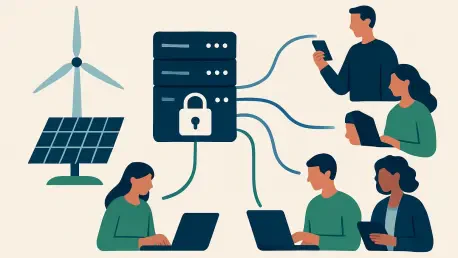
A significant trend reshaping the digital economy is the pivot towards environmental responsibility, and the cryptocurrency mining sector is at the forefront of this evolution. Forward-thinking platforms are increasingly integrating renewable energy solutions into their operational framework to balance efficiency with ecological stewardship. By strategically locating data centers in regions with abundant solar, wind, and hydropower resources, these services not only reduce their carbon footprint but also secure more stable and cost-effective energy sources for the long term. This commitment to sustainability is more than a public relations gesture; it is a core business strategy that aligns with the long-term development goals of the global digital economy. As regulatory bodies and investors place greater emphasis on environmental, social, and governance (ESG) criteria, mining operations powered by clean energy are better positioned for sustained growth and resilience. This strategic alignment ensures that the pursuit of digital asset creation does not come at the expense of environmental health, fostering a more responsible and enduring industry.
Building a Foundation of Trust and Predictability
Security and Transparency as Core Pillars
In an industry often characterized by opacity and risk, establishing user trust is paramount. Leading cloud mining platforms achieve this by building their services on a foundation of robust security and radical transparency. Utilizing a multi-layered system protection architecture, these platforms safeguard user assets and data against external threats. Internally, sophisticated risk control mechanisms continuously monitor operations to prevent fraud and ensure system integrity. The cornerstone of this trust-based model is the implementation of smart contract-based settlement logic. By automating the distribution of computing power and profits on an immutable blockchain ledger, these contracts guarantee consistency and verifiability. Every transaction and allocation is publicly auditable, eliminating the need for blind trust in a central operator. This transparent and automated approach provides users with a clear, verifiable record of their participation and returns, fostering confidence in the platform’s long-term viability and operational fairness.
The Maturation of an Industry Leader
Through a combination of mature technology, global infrastructure, and transparent operational logic, the cloud mining model successfully carved out a significant position within the digital asset landscape. Platforms that prioritized accessibility and reliability managed to cultivate a broad and diverse user base that spanned multiple major international markets. By offering a profit structure focused on stability and predictability, they presented a compelling alternative to the inherent volatility of direct cryptocurrency trading. This allowed users to engage with the digital economy through a more balanced and robust path for asset allocation. The successful establishment of these services demonstrated that the high barriers of traditional mining could be overcome, proving that participation in the blockchain ecosystem did not have to be an exclusive endeavor. This evolution marked a critical step in the industry’s maturation, setting a new standard for how computing power could be distributed and monetized in a secure, sustainable, and democratized fashion.