
Implementing Near Field Communication and GPS tracking technologies facilitates rapid scanning and precise location tracking vital for logistical planning and loss prevention. This technological integration has moved beyond being a luxury for high-tech firms and has become a survival mechanism for any organization managing a significant inventory. In the current business landscape, the ability to monitor, maintain, and optimize organizational resources has shifted from a back-office administrative task to a core strategic pillar. Web-based asset management software represents a significant evolution in this domain, moving away from localized, static spreadsheets toward dynamic, cloud-native ecosystems that provide a centralized platform for the real-time tracking of both physical assets, such as machinery and hardware, and digital assets like software licenses. This fundamental shift is driven by the need for visibility across the entire organization, ensuring that data is no longer trapped in silos but is available to every department from maintenance and IT to finance. By leveraging sophisticated cloud infrastructure, companies can create a single source of truth that allows teams to collaborate across different geographical locations and time zones without the friction of manual data synchronization. This transparency is the cornerstone of modern efficiency, providing the clarity needed to navigate a complex and fast-moving global market where assets frequently move across borders. In the current year, businesses face unprecedented pressure to account for every piece of hardware and software in their possession, making the transition from static records to dynamic, interconnected systems a mandatory step for those seeking to remain competitive.
Strategic Transition: The Evolution of Cloud-Native Asset Management
The transition from traditional, on-premise software to web-based platforms is a direct response to the increasing complexity of global supply chains and remote workforces. Unlike legacy systems that require a physical presence at a workstation or a connection to a specific local area network, web-based solutions are accessible via any internet-enabled device. This mobility is critical for field technicians and warehouse managers who must update asset statuses or log maintenance activities on-site, ensuring data is captured the moment an activity occurs rather than hours later. This real-time accessibility eliminates the lag that often leads to data inaccuracies and equipment downtime. In 2026, the reliance on mobile-first interfaces has allowed organizations to decentralize their management processes, empowering staff at every level to contribute to the accuracy of the asset database. As a result, the distance between the office and the operational floor has effectively vanished, fostering a culture of accountability and precision that was previously unattainable with fragmented, offline systems. This shift has not only improved the speed of data entry but has also enhanced the overall reliability of the information used for high-level decision-making across the enterprise.
Another primary driver for this shift is the significant reduction in IT overhead and the streamlining of maintenance protocols. Traditional software often requires internal resources for installation, server maintenance, and manual security patching, which can drain the productivity of specialized IT teams. Web-based solutions operate on a Software-as-a-Service model, where the provider handles all updates and security protocols automatically in the background. This allows internal IT teams to focus on strategic initiatives and innovation rather than routine software maintenance and troubleshooting. Cloud-based platforms also offer unparalleled scalability and flexibility for growing businesses, providing subscription models that allow organizations to scale their asset tracking capabilities without needing to overhaul their underlying infrastructure. Whether a business is managing a few hundred specialized tools or tens of thousands of global items, the cloud environment adjusts to the demand. This flexibility is equally beneficial for small businesses utilizing open-source options and large enterprises requiring robust, high-capacity systems that can handle millions of data points simultaneously. By offloading the technical burden to specialized providers, organizations ensure their management tools are always running the latest, most secure versions.
Core Functionality: Driving Efficiency through Proactive Resource Oversight
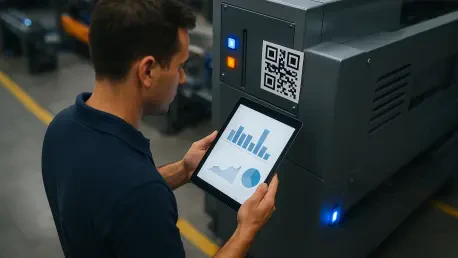
To be truly effective, asset management software must move beyond simple inventory lists and incorporate advanced tracking technologies that provide deep insights into the physical state of every item. Modern platforms utilize a variety of identification methods, including QR codes for localized inventory and advanced sensors for high-value mobile assets. These technologies allow for an automated flow of information that reduces the likelihood of human error during the check-in and check-out processes. One of the most significant advantages of these systems is the shift from reactive to proactive maintenance, which has become a standard requirement for operational excellence. By automating maintenance schedules and setting alert triggers based on actual usage metrics or environmental conditions, organizations can extend the lifespan of their assets and significantly reduce costly, unplanned downtime. This comprehensive lifecycle oversight ensures that assets are serviced before they fail, protecting the company’s capital investments over the long term and ensuring that equipment is always ready for peak demand periods. This transition to a preventative model has saved industries millions in potential losses by identifying minor issues before they escalate into catastrophic mechanical failures.
Data is only valuable if it is actionable, which is why effective software provides customizable analytical dashboards that transform raw numbers into strategic intelligence. These tools visualize key performance indicators, such as asset utilization rates, depreciation schedules, and total cost of ownership, allowing leadership to make data-driven decisions regarding procurement and retirement. In 2026, the ability to see exactly how and where an asset is being used allows managers to reallocate resources to where they are most needed, eliminating the waste associated with unnecessary purchases. Top-tier solutions prioritize intuitive design to ensure that staff can navigate the system easily, often allowing for a full system setup and staff onboarding in under four hours. This focus on user experience ensures that the software is viewed as a helpful tool rather than an administrative burden, which is essential for maintaining high data integrity over time. Furthermore, the integration of predictive analytics allows organizations to forecast future needs with high precision, ensuring that the supply chain is prepared for upcoming projects. By turning the asset database into a dynamic planning tool, companies can optimize their capital expenditures and ensure that every dollar spent on equipment contributes directly to the bottom line.
Market Diversity: Evaluating Specialized Solutions for Industry Needs
The market for asset management is increasingly diverse, with specific platforms catering to the unique needs of different organizational structures and industries. For large-scale operations, enterprise and facilities management solutions excel in coordinating complex workflows across vast physical footprints, such as manufacturing plants or healthcare campuses. These systems are designed to manage the intersection of physical space and equipment, ensuring that maintenance teams can navigate large facilities efficiently. Meanwhile, specialized IT asset management tools focus on hardware configurations, software compliance, and cybersecurity. These platforms prioritize rapid deployment and deep reporting capabilities for technical environments where the “asset” might be a virtual server or a fleet of laptops assigned to a remote workforce. In 2026, the distinction between physical and digital management has blurred, but the need for specialized workflows remains high. Choosing a platform that aligns with the specific operational demands of the industry is critical for ensuring that the features provided actually solve the problems faced by the team on the ground.
Industrial and high-capacity systems are designed for organizations with massive inventories and complex regulatory requirements that demand meticulous record-keeping. These heavyweight solutions offer unparalleled depth in maintenance and operational data, often integrating directly with machinery sensors to provide a live feed of performance metrics. On the other end of the spectrum, mobile-first management solutions highlight the trend toward remote monitoring and agility. These tools provide simplified, high-speed interfaces that allow managers to oversee assets from mobile devices even when they are away from the office or traveling between sites. This range of options means that whether an organization needs a complex, data-heavy system for compliance or a streamlined mobile app for a fast-moving logistics team, there is a specialized solution available. The key for modern organizations is to avoid “feature creep” by selecting a tool that matches their specific scale and complexity. By focusing on the core needs of the business, leaders can implement a system that provides the necessary visibility without overwhelming the staff with unnecessary complexity or redundant data entry fields.
Deployment Framework: Navigating Implementation Challenges and User Adoption
Choosing the right software requires a structured evaluation process that focuses on the total cost of ownership rather than just the initial price tag or the monthly subscription fee. Key criteria for a successful selection include the platform’s integration potential and its ability to communicate seamlessly with existing tools like Enterprise Resource Planning systems and accounting software. Ensuring the software can grow with the company without a degradation in performance or an exponential increase in costs is essential for long-term success. Organizations must look for vendors that offer robust support and a clear roadmap for future updates, ensuring that the tool remains relevant as technology evolves. The evaluation phase should also involve the people who will be using the software daily, as their feedback on the interface and the workflow is vital for ensuring long-term adoption. A tool that looks great in a boardroom presentation but is difficult to use in a warehouse will ultimately fail to deliver accurate data. In 2026, the best implementations are those that view the software not as a standalone product, but as an integrated part of the broader corporate digital ecosystem.
Despite the clear benefits of modern platforms, the transition to web-based management can face hurdles such as integration complexity and data migration risks. Moving historical data from old spreadsheets or legacy databases into a new cloud platform carries the inherent risk of data corruption or the transfer of inaccurate records. To mitigate this, a clean data “scrubbing” process is essential before the new system goes live, ensuring that only high-quality, verified information is imported. Organizations must also address the human factor, as poor user adoption can derail even the most advanced technical implementation. If staff perceive the new tool as a burden or a form of excessive surveillance, they may be less inclined to provide the accurate, timely data the system requires. To ensure success, companies should follow a strategic three-step approach: conducting a thorough internal audit to define requirements, engaging in hands-on trials to test usability, and investing heavily in comprehensive training. By focusing on automation and ease of use, organizations can improve data integrity and operational speed. This proactive approach to change management ensures that the transition is smooth and that the organization begins to see a return on its investment as quickly as possible.
Strategic Outcomes: Realizing Value through Digital Resource Governance
The transition to sophisticated web-based management necessitated a shift in how leaders perceived organizational value, moving from a narrow focus on purchase prices to a holistic view of the entire asset lifecycle. Strategic success was consistently found by those who conducted thorough internal audits and engaged in extensive hands-on trials to test usability before committing to a full-scale deployment. By prioritizing automation and mobility, organizations improved data integrity and operational speed in ways that were previously impossible with legacy systems or manual records. The investment in comprehensive training programs and clear communication proved to be the decisive factor in overcoming user resistance and ensuring that the software functioned as a true catalyst for growth. Ultimately, achieving total visibility into the asset lifecycle led to significant savings, reduced waste, and optimized capital expenditures that prepared businesses for the challenges of a highly competitive landscape. These actions provided a clear roadmap for any organization looking to move away from outdated, fragmented tracking methods toward a unified, digital-first approach that maximized every resource at their disposal. The lessons learned during these implementations underscored the importance of technical flexibility and human-centric design in the modern corporate environment.