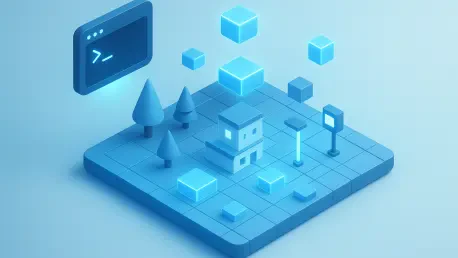

Modern game development is pivoting toward headless operations where terminal-based automation optimizes the deployment process within the gaming industry. As studios grapple with increasingly complex asset pipelines and massive data sets, the traditional reliance on a graphical user interface often slows down the pace of innovation. By shifting toward the Unity Command Line Interface (CLI), developers are now able to bridge the gap between creative vision and technical execution through programmatic control. This shift is particularly significant as artificial intelligence begins to play a central role in generating level layouts, lighting configurations, and character behaviors. Instead of a human opening the editor to bake lightmaps or rebuild scenes, autonomous scripts handle these tasks in the background, allowing the core team to focus on high-level design. The current landscape of 2026 shows a marked preference for these invisible workflows, where the heavy lifting occurs on remote servers rather than local workstations, ensuring that production remains fluid and responsive to rapid changes.
Efficiency at Scale: The Impact of Command Line Automation
The integration of AI agents directly into the engine architecture has necessitated a more robust command-line environment that can process high volumes of data without visual overhead. Developers are utilizing the Unity CLI to feed real-time analytics and player feedback into neural networks, which then output optimized configuration files that are automatically applied to the project. This feedback loop eliminates the friction of manual data entry and allows for a level of personalization in gaming that was previously impossible to achieve at scale. For instance, procedural content generation systems can now trigger rebuilds of specific game zones based on community activity trends observed throughout the week. By utilizing standardized arguments within the terminal, these AI systems bypass the traditional editor bottlenecks. This evolution ensures that the engine remains a flexible foundation rather than a rigid tool, supporting the dynamic needs of modern live-service titles that require frequent updates and complex technical adjustments.
Furthermore, the move toward CLI-driven development significantly enhances the scalability of continuous integration and continuous deployment pipelines. Small indie teams and major corporations alike are finding that automated build scripts can verify game stability across dozens of hardware configurations simultaneously. When AI is introduced into this testing phase, it can identify edge cases and graphical glitches by analyzing frames through computer vision, reporting back via the command line with precise logs. This systemic approach reduces the time between a code commit and a stable build, ensuring that the development cycle remains lean and efficient. The removal of the manual click-and-wait culture has transformed the role of the developer into that of a high-level orchestrator. By leveraging the CLI, studios are essentially building a custom operating system for their games, where every component is modular and accessible through code, facilitating a more resilient ecosystem that can withstand the demands of a global and highly competitive market.
Ultimately, the adoption of the Unity CLI served as a fundamental turning point that redirected the industry toward a more data-centric philosophy. Organizations that prioritized these automated frameworks successfully reduced their time-to-market and enhanced the overall quality of their interactive experiences. Moving forward, it was recommended that teams invest in building comprehensive documentation for their CLI-based tools to ensure long-term maintainability as AI technologies continued to evolve. Those who integrated these practices early on discovered that their infrastructure was better equipped to handle the rapid shifts in hardware capabilities and player expectations. Developers focused on mastering these terminal-based environments found themselves at the forefront of a new era where the engine functioned as a background service rather than a static application. For studios looking to remain competitive, the transition toward a fully automated, AI-augmented workflow became a practical necessity for sustainable growth.