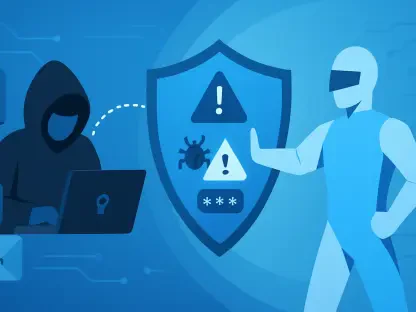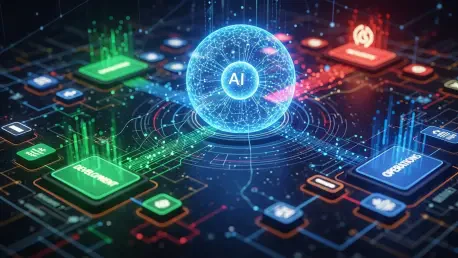

The rapid proliferation of artificial intelligence in the software development lifecycle has inadvertently shifted the primary industry bottleneck from the initial act of writing source code to the increasingly complex tasks of security verification and operational maintenance. As organizations aggressively adopt AI coding assistants, the sheer volume of high-quality code generated has begun to overwhelm traditional review processes, leading to what many experts call the downstream bottleneck. GitLab 19.2 addresses this imbalance by pioneering a shift toward agentic automation, a strategy that moves beyond simple suggestions to deploy proactive, autonomous agents that collaborate directly within the DevSecOps workflow. These agents are designed to navigate the intricate complexities of modern software delivery, moving away from passive assistance toward active problem-solving and remediation. By refocusing on agency, the platform aims to ensure that development velocity does not come at the expense of security or stability. This transition represents an evolution in how engineering teams interact with machine intelligence, treating the AI not just as a tool for generation, but as a strategic partner capable of managing the heavy operational burdens that often stall production cycles in high-pressure environments.
Advanced Security and Automated Remediation
Resolving Dependencies: The End of Manual Patching
One of the primary friction points in modern software security is the sheer volume of vulnerabilities introduced via third-party dependencies, particularly transitive ones that remain hidden deep within the software supply chain. GitLab 19.2 addresses this by introducing Dependency Scanning Auto-Remediation, a feature that empowers autonomous agents to take the lead in identifying and fixing these security gaps. Instead of simply generating a list of alerts that developers must manually sort through, the agent takes the proactive step of creating a merge request that includes the necessary code changes and version updates. This approach effectively shifts the burden of routine patching away from the engineering team, allowing them to maintain a strong security posture without sacrificing development speed. By automating the identification and initial fixing stages, the platform ensures that vulnerabilities are addressed as soon as they are detected, rather than languishing in a backlog of low-priority tasks that could eventually lead to a significant security breach.
When an automated agent attempts to update a dependency, the risk of introducing a breaking change often prevents organizations from fully embracing automation. To mitigate this, the update incorporates iterative Breaking Change Resolution, where the AI agent does more than just swap a version number; it actively tests the update against the existing codebase. If the build fails or a regression is detected, the agent analyzes the resulting logs and code interactions to understand the cause of the failure and attempts to resolve it automatically. This diagnostic capability is critical for complex applications where a single version jump can have cascading effects on other components. By providing this level of automated reasoning, GitLab allows security patches to be applied with a much higher degree of confidence. The agent acts as a diligent engineer, troubleshooting the very issues it might have introduced, ensuring that the final merge request is not only secure but also operational, thereby reducing the manual intervention required to maintain a healthy build.
Identifying Logic Flaws: Beyond Syntax Analysis
Traditional security scanners are often proficient at spotting known vulnerabilities like SQL injection or cross-site scripting, but they frequently struggle with more nuanced logic errors that are unique to a specific application’s design. The new Security Review Flow introduces a sophisticated layer of agentic reasoning that looks beyond simple syntax to understand the underlying intent of the code. This allows the AI to identify complex discrepancies, such as broken authorization patterns or flaws in the business logic, which could otherwise be exploited by a savvy attacker. By simulating how different components interact and verifying that the code aligns with established security principles, the agent provides a much more comprehensive assessment of the risk profile. This transition from pattern matching to contextual reasoning represents a major step forward in automated security, as it captures the types of high-level mistakes that previously required a deep manual audit by a senior security professional.
The findings generated by the agent are not just dumped into a static report; they are integrated directly into the development environment as threaded comments within the relevant merge request. This format encourages a collaborative review process where the AI highlights its concerns, provides context on why a specific logic flaw was flagged, and presents these findings to human reviewers for final verification. This allows security and development teams to concentrate their energy on high-level architectural decisions and strategic risk management while the AI handles the granular, time-consuming task of hunting for subtle vulnerabilities. The platform maintains a human-in-the-loop philosophy, ensuring that while the agent provides the heavy lifting of discovery and analysis, the ultimate authority to accept or reject a change remains with the people responsible for the application. This synergy between automated precision and human intuition creates a more resilient security culture, where potential issues are caught earlier and resolved with greater accuracy.
Enterprise Governance and Custom Automation
Custom Flows: Architecting Tailored Automation
To further empower organizations to tailor their automation strategies, the release introduces project-aware Duo CLI and the capability to create Custom Flows. These features enable teams to define their own YAML-based agentic sequences that can be triggered by specific events within the GitLab ecosystem, such as a pipeline failure or a specific mention in a code comment. By allowing developers to program the agent’s behavior, GitLab provides a flexible framework that can adapt to the unique workflows and operational requirements of different projects. This level of customization ensures that the AI is not a one-size-fits-all tool but a versatile asset that can automate repetitive tasks across various stages of the lifecycle. Whether it is triggering an additional security audit or notifying a specific team based on the content of a commit, Custom Flows allow for a more streamlined and responsive development environment that directly supports the specific needs of the business.
Security within the automation process itself is a critical consideration, especially when agents are granted the autonomy to interact with external services or modify sensitive configurations. GitLab 19.2 reinforces this by utilizing short-lived, job-scoped tokens for all Custom Flows, strictly adhering to the principles of Zero Trust architecture. This approach eliminates the need for long-lived, high-risk credentials that could be compromised, as each token is valid only for the duration of a specific task and possesses a strictly defined scope of access. By ensuring that every action taken by an agent is authorized through a secure, ephemeral identity, the platform minimizes the potential attack surface and prevents unauthorized lateral movement within the network. This commitment to security governance provides administrators with the peace of mind that their automated workflows are operating within a safe and auditable framework, protecting the organization’s most valuable assets while still reaping the productivity benefits of agentic automation.
Transparency and Control: The AI Audit Framework
As artificial intelligence takes on a more central role in software production, the need for transparency and accountability becomes paramount for regulatory compliance and internal security. The introduction of the AI Audit Event Report provides a comprehensive documentation trail for every action initiated or suggested by an AI agent, capturing the context, the specific output, and the final outcome of the interaction. This feature is essential for organizations operating in highly regulated industries, as it allows for detailed forensic analysis and ensures that all AI-assisted changes are fully auditable. By maintaining a clear record of how the AI was used, teams can demonstrate compliance with security standards and internal policies, while also gaining valuable insights into how these tools are being utilized across the organization. This level of visibility is crucial for building trust in automated systems, as it ensures that the “black box” of AI is replaced with a transparent and manageable process.
Granular control over AI capabilities is another key focus of this release, as administrators are given new tools to manage how agents access and utilize information. The implementation of “default-deny” policies allows organizations to strictly control which projects or teams can leverage specific AI features, ensuring that sensitive resources are not inadvertently exposed to automated processing. Furthermore, the use of the Model Context Protocol (MCP) provides a standardized way to define the boundaries of what an AI agent can “see” and interact with, preventing it from straying outside its intended scope. These governance tools allow for a balanced approach to automation, where the speed and efficiency of agents are harnessed within a framework of strict access controls. By providing these levers of control, the platform ensures that the adoption of AI is a deliberate and secure process, tailored to the specific risk appetite and operational requirements of each individual organization.
CI/CD Performance and Platform Maturity
Optimizing the Pipeline: Specialized Diagnostic Agents
The CI/CD pipeline remains the engine of the software delivery process, and its performance is critical to maintaining a high development velocity. To optimize this core component, GitLab 19.2 has upgraded the Fix CI/CD Pipeline Flow, which now utilizes a specialized knowledge graph known as “Orbit” to diagnose and classify failures with much greater accuracy. This system provides contextual recommendations for complex child pipelines and intricate configuration issues that would otherwise require hours of manual troubleshooting. By analyzing the relationship between different pipeline stages and the specific errors encountered, the agent can pinpoint the root cause of a failure and suggest the most effective path to remediation. This diagnostic capability significantly reduces the time developers spend debugging their build configurations, allowing them to focus more on delivering value and less on managing the complexities of the delivery infrastructure itself.
Complementing the diagnostic tools is the CI Expert Agent, a specialized assistant designed to help teams create and refine their pipeline configurations from the ground up. This agent provides tailored guidance on best practices for pipeline efficiency, security, and scalability, acting as a virtual consultant for DevOps engineers. Whether it is optimizing job parallelization or ensuring that security scans are integrated at the correct stage of the process, the CI Expert Agent ensures that every pipeline is built on a solid foundation of industry expertise. This proactive assistance is particularly valuable as organizations scale their operations and deal with increasingly complex CI/CD environments that involve dozens of interconnected jobs and dependencies. By democratizing access to expert-level pipeline knowledge, the platform helps teams of all skill levels build more resilient and efficient delivery workflows, further accelerating the path from code commit to production deployment.
Strengthening Infrastructure: Resilience and Branch Management
The reliability of the underlying infrastructure is just as important as the intelligence of the agents running on it, which is why GitLab Runner 19.2 includes a new circuit breaker functionality. This feature is designed to maintain operational continuity during periods of instability by automatically falling back to the main application if job request failures are detected. By preventing a localized failure from cascading into a platform-wide outage, the circuit breaker ensures that the CI/CD environment remains responsive and available, even under heavy load or during transient network issues. This enhancement is part of a broader effort to strengthen the platform’s maturity and provide a more resilient foundation for high-velocity software development. When combined with other updates such as automatic rebase before merge, the runner improvements create a more stable and predictable environment for developers, reducing the manual friction that often slows down the final stages of the delivery process.
Successful organizations recognized that the transition to GitLab 19.2 required a holistic approach that combined new technical capabilities with clear operational strategies. Teams that achieved the best results started by integrating agentic automation into their most repetitive and error-prone tasks, such as transitive dependency patching and complex pipeline debugging. This shift allowed engineers to reclaim substantial amounts of time that were previously dedicated to manual triage, which they then redirected toward higher-value architectural innovation. By leveraging the AI Audit Event Report and granular access controls, leadership maintained strict compliance and security standards without hindering the speed of their development teams. The move toward non-default branch tracking for vulnerabilities also ensured that long-lived release branches remained secure throughout their entire lifecycle. Ultimately, the integration of these autonomous agents served as a powerful catalyst for achieving a more mature and resilient DevSecOps practice, providing a clear path forward for organizations looking to scale their software production while maintaining absolute control over their security and governance boundaries.