
Picture a sprawling factory floor where every machine hums along, not just running but whispering data about its own health, predicting breakdowns before they happen, and scheduling maintenance without human intervention. This isn’t a distant dream but the tangible reality of Industry 4.0 reshaping fixed asset management across industrial landscapes. The industrial fixed asset management (IFAM) market, valued at USD 54.83 billion in 2024, is on track to surge to USD 289.21 billion by 2033, boasting an impressive growth rate of 20.4% annually. Technologies like the Internet of Things (IoT), artificial intelligence (AI), and digital twins are at the forefront, turning reactive repair models into proactive, data-driven strategies. For industries such as manufacturing, energy, and oil and gas, where downtime can bleed millions, this shift isn’t just innovative—it’s essential. As digital tools redefine how assets like machinery and IT infrastructure are monitored and optimized, the question arises: how deep will this transformation go, and what does it mean for the future of industrial operations?
The stakes are high, and the potential is enormous. Beyond mere automation, Industry 4.0 signifies a cultural pivot—from isolated, manual processes to integrated systems that thrive on real-time insights. Companies aren’t just adopting gadgets; they’re embracing a mindset of efficiency and scalability. With regions like North America and Asia-Pacific showing varied paces of adoption, and major players racing to innovate, the landscape is dynamic. Let’s dive into the technologies, trends, and regional shifts driving this industrial evolution.
Cutting-Edge Tools Powering the Change
IoT, AI, and Predictive Analytics
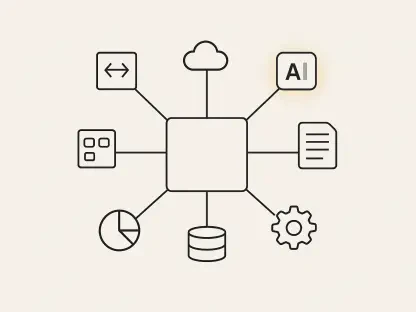
The foundation of Industry 4.0 lies in technologies like IoT, AI, and predictive analytics, which are fundamentally altering how fixed assets are managed. IoT sensors embedded in machinery collect real-time data on everything from temperature to vibration, painting a live picture of an asset’s condition. AI steps in to crunch this data, spotting patterns that signal potential failures long before they disrupt operations. This predictive approach slashes downtime, a critical concern for sectors like manufacturing where every halted minute costs dearly. Moreover, cloud computing ties it all together, ensuring data is accessible anytime, anywhere, even in remote oil fields or sprawling factories. This seamless flow of information empowers decision-makers to act swiftly, turning what used to be guesswork into precise, actionable strategy. The result is not just cost savings but a radical boost in operational reliability across industries.
Beyond the buzzwords, the real magic of these technologies is in their practical impact. Consider a scenario in an energy plant: IoT detects a subtle anomaly in a turbine’s performance, AI predicts a bearing failure within the next week, and maintenance is scheduled during a low-demand window, avoiding a catastrophic shutdown. This isn’t a one-off; it’s becoming standard practice in asset-intensive sectors. Edge computing adds another layer, processing data on-site in areas with poor connectivity, like mining operations. Such innovations ensure that even the most isolated assets stay under watchful digital eyes. The shift from fixing what’s broken to preventing breaks altogether marks a profound change, setting a new benchmark for efficiency. As these tools evolve, their integration into everyday operations will only deepen, promising even smarter asset management solutions.
Digital Twins and Simulation
Another transformative force is the rise of digital twins—virtual replicas of physical assets that simulate real-world performance under countless conditions. Imagine a utility company testing how a power grid component holds up during a storm, all without risking actual infrastructure. Digital twins make this possible, offering a sandbox to anticipate risks and refine operations. In industries like energy, where failures can cascade into widespread outages, this capability is invaluable. It extends asset lifecycles by identifying stress points early and optimizing usage patterns. Platforms like Siemens’ Xcelerator show this in action, enabling real-time monitoring and scenario planning that keep assets running longer and smarter. This technology doesn’t just solve problems; it reimagines how industries approach asset durability and planning.
What’s striking about digital twins is their ability to bridge the gap between theory and reality. Companies can run simulations to see how a piece of machinery might behave under extreme loads or after years of wear, tweaking maintenance plans accordingly. This forward-looking approach is especially critical in sectors like aerospace or heavy manufacturing, where precision is non-negotiable. Unlike traditional models, digital twins evolve with the asset, updating as new data comes in, ensuring insights remain relevant. The technology also fosters collaboration, as teams across departments or even continents can interact with the same virtual model to strategize. As adoption grows, the potential for digital twins to revolutionize not just asset management but entire operational frameworks becomes clearer, paving the way for a future where guesswork is replaced by certainty.
Evolving Market Demands and Strategies
Shift to Proactive Asset Management
Across industries, the relentless drive for cost efficiency and minimal downtime is pushing a pivot toward proactive asset management. Gone are the days of waiting for equipment to fail; now, predictive analytics fueled by real-time data flags issues before they escalate. This is a game-changer for sectors like oil and gas, where unplanned stoppages can rack up staggering losses in mere hours. Tools like integrated platforms exemplify this shift, offering unified tracking and customized dashboards for diverse fleets. Such systems don’t just monitor—they anticipate, sending alerts for maintenance at the optimal moment. The financial impact is clear: fewer emergency repairs, less idle time, and a leaner bottom line. This proactive mindset, enabled by Industry 4.0, is fast becoming the gold standard for managing high-value industrial assets.
However, the transition isn’t just about technology; it’s a rethinking of priorities. Companies are realizing that every asset, from transport equipment to IT systems, plays a role in the broader operational puzzle. Proactive management ties these pieces together, ensuring that a hiccup in one area doesn’t derail the whole system. Take manufacturing plants, for instance—predictive tools can synchronize maintenance across multiple machines, avoiding bottlenecks during peak production. This holistic view reduces not only costs but also stress on workforce and resources. Additionally, the environmental upside can’t be ignored; optimized assets use energy more efficiently, aligning with sustainability goals. As more industries embrace this forward-thinking approach, the ripple effects will redefine benchmarks for operational excellence and resilience in asset-heavy environments.
Demand for Integrated Solutions
A parallel trend reshaping the landscape is the soaring demand for integrated, end-to-end solutions that bundle hardware, software, and services into a single cohesive system. This isn’t about piecemeal fixes anymore; companies want platforms that can handle diverse asset portfolios with ease. The appeal lies in interoperability—systems that talk to each other, scale as needs grow, and adapt to new challenges. Software, increasingly laced with AI and IoT capabilities, sits at the core of this trend, providing the flexibility to manage everything from machinery to returnable transport assets. This hunger for integration reflects a broader industrial push to break down silos, ensuring that asset management isn’t a fragmented effort but a unified strategy driving efficiency across the board.
Moreover, the rise of such solutions signals a shift in how industries define value. It’s no longer enough to have cutting-edge tools; they must work in harmony to deliver results. Integrated platforms cater to this by offering tailored functionalities—think dashboards that adjust to specific industry needs or predictive alerts customized for mixed fleets. This adaptability is critical in sectors like construction, where asset types and operational demands vary wildly. Beyond functionality, these systems save time, reducing the learning curve and IT overhead that come with juggling multiple vendors or tools. As competition heats up, providers are racing to refine these offerings, embedding more intelligence and user-friendly features. This trend suggests a future where asset management isn’t just a task but a seamless, integral part of industrial strategy.
Global Perspectives and Opportunities
Variations in Adoption Across Regions
The rollout of Industry 4.0 technologies in fixed asset management unfolds at different speeds around the globe, painting a varied picture of progress. North America and Europe stand as frontrunners, leveraging robust technological infrastructure and mature markets to integrate IoT, AI, and digital twins into their industrial frameworks. These regions benefit from early investments in digital transformation, with companies quick to adopt tools that enhance asset monitoring and optimization. In contrast, Asia-Pacific is catching up fast, driven by rapid industrialization and hefty investments in modernizing infrastructure. This region’s growth trajectory makes it a hotspot for market expansion, as industries rush to keep pace with global standards. The disparity in adoption highlights how economic and technological readiness shape the speed of change.
Digging deeper, it’s evident that regional strengths play a significant role in this dynamic. North America’s edge lies in its innovation hubs and access to cutting-edge research, fostering quick deployment of new asset management tools. Europe, meanwhile, benefits from stringent regulations that often push companies toward sustainable, tech-driven solutions. On the other hand, Asia-Pacific’s advantage is its sheer scale—massive industrial growth creates urgent demand for efficient systems to manage sprawling asset bases. Challenges like workforce training and legacy system integration do slow progress in some areas, but the momentum is undeniable. As global connectivity improves, the knowledge and technology gaps between regions are narrowing, suggesting that over time, adoption rates may converge. This evolving landscape underscores the importance of tailored strategies that account for local realities while aiming for universal efficiency gains.
Emerging Opportunities in Developing Markets
While established markets lead the charge, emerging regions like Latin America and the Middle East & Africa are carving out their own space in the Industry 4.0 wave. Industrial expansion in these areas, particularly in resource-heavy sectors like mining and energy, fuels a pressing need for advanced asset management solutions. The stakes are high—inefficient asset handling can derail growth in economies where margins are often tight. Yet, the opportunity is equally significant; adopting digital tools now can leapfrog outdated practices, setting a foundation for long-term competitiveness. Despite hurdles like limited tech infrastructure, the drive to optimize critical assets is spurring interest in IoT and predictive maintenance, tailored to local needs and constraints.
Equally compelling is how these regions are turning challenges into catalysts for innovation. Limited connectivity, for instance, pushes providers to develop offline-capable or edge-computing solutions that still deliver real-time insights. In the Middle East, oil and gas giants are investing in digital twins to manage rigs and pipelines under harsh conditions, prioritizing reliability over speed of adoption. Latin America, with its burgeoning construction sector, sees value in integrated platforms that can track diverse equipment across remote sites. Governments and private players are stepping up with funding and partnerships to bridge digital divides, recognizing that efficient asset management is a cornerstone of industrial progress. As these markets mature, their unique demands will likely influence global trends, adding fresh perspectives to how Industry 4.0 tools are designed and deployed.
Reflecting on a Digital Industrial Era
Looking back, the journey of fixed asset management through the lens of Industry 4.0 marked a seismic shift in industrial operations. Technologies like IoT, AI, and digital twins turned what was once a reactive chore into a strategic advantage, embedding foresight into the heart of asset-heavy sectors. The market’s explosive growth projection to USD 289.21 billion by 2033 underscored the scale of impact, as industries worldwide prioritized efficiency and resilience. For stakeholders, the path forward involves not just adopting these tools but integrating them into a cohesive vision—blending hardware, software, and services to tackle unique challenges. Collaboration across regions will be key, sharing lessons from North America’s innovation to Asia-Pacific’s rapid scale-up. Investing in training and infrastructure now can ensure that even emerging markets harness this digital wave. Ultimately, the legacy of this era lies in its ability to transform chaos into control, setting a new standard for how industries sustain and grow their most critical resources.