
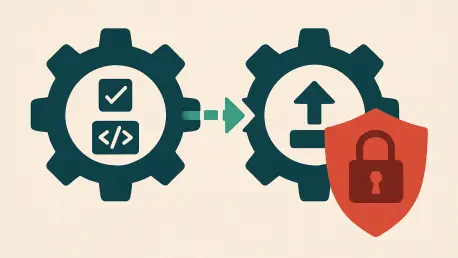
Security teams must move beyond static permission checks to monitor real-time outbound network connections and process activity within their runner environments. The recent security report released by Railway on November 10, 2026, serves as a stark reminder of how vulnerable modern development
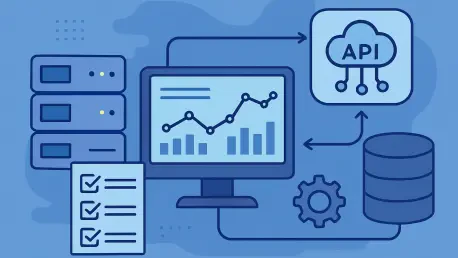
A perfectly manicured dashboard displaying real-time metrics often conceals a fractured reality where crucial data points vanish into the digital ether without a single error log to alert the engineering team. In the current landscape of 2026, where data is the lifeblood of automated
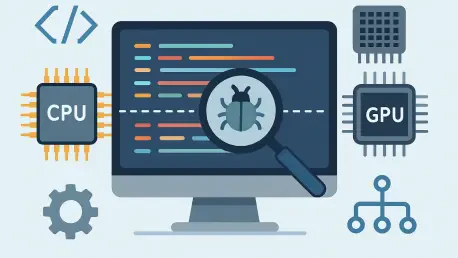
Postmortem debugging for GPUs now utilizes a common base class for core-dump analysis across different hardware vendor implementations. This development marks a significant shift in how developers approach the debugging of complex AI and high-performance computing workloads that move seamlessly
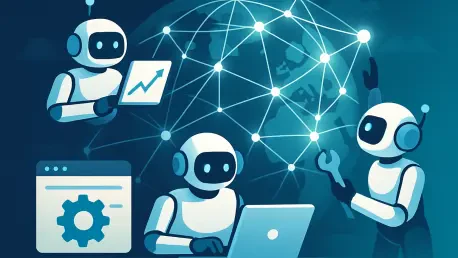
The transition from assistant-based copilots to autonomous agents marks a new frontier in how enterprise software handles manual operational workflows. This evolution is particularly visible in the sudden rise of startups like Coframe, which recently secured $25 million in Series A funding to

The frantic pulse of a high-priority notification at three in the morning often traces back to a deceptively simple change made in a low-code environment hours earlier. This scenario is a common reality for modern enterprises where the seamless flow of data between flexible front ends and rigid

The manual synchronization of OIDC issuers across multi-cloud environments often becomes a significant administrative bottleneck that slows down application scaling and deployment schedules. As of 2026, the reliance on long-lived, static credentials—such as Amazon Web Services access keys or Google

The persistent struggle to synchronize disparate data systems frequently forces engineering teams to choose between the specialized power of a dedicated search engine and the intricate relationship mapping of a graph database. For years, the standard response to a full-text search requirement has
Operating as a modular penetration-testing suite, ARTEX utilizes a tiered agent system where a planner decomposes high-level goals into actionable tasks for worker sub-agents. This sophisticated framework integrates a Go-based backend with a highly responsive Next.js front-end console, allowing for

Relying on the restart:always policy often masks underlying orchestration failures and ordering bugs that inevitably resurface during high-traffic production events. While the convenience of a basic Docker Compose file facilitates rapid development cycles, it frequently leaves critical

As artificial intelligence becomes a standard feature in business software, the true competitive advantage for platforms lies in the depth and scale of their data coverage. The strategic partnership between Vertice and EcoVadis represents a monumental shift in how global enterprises approach the


