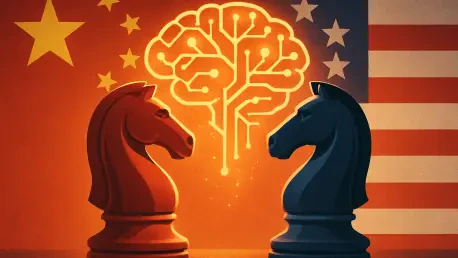

A fundamental recalibration is underway in the global artificial intelligence landscape, quietly reversing the decades-long flow of innovation from West to East. The traditional hubs of AI research in the United States are increasingly operating behind a veil of corporate secrecy, a trend largely set in motion by pioneers like OpenAI. In stark contrast, a new wave of Chinese firms has embraced a strategy of open publication, creating a dynamic where the most exciting and accessible breakthroughs are now emerging from a different corner of the globe. This shift isn’t merely academic; it represents a profound change in where the next generation of AI talent looks for inspiration and instruction. The intellectual center of gravity for open AI science appears to be migrating, challenging long-held assumptions about technological leadership and the very nature of collaborative progress in the field.
The Shifting Tides of Open Science
This intellectual migration is most palpable within the elite academic circles that have historically fueled Silicon Valley’s talent pipeline. Andy Konwinski, a co-founder of Databricks, has noted a telling trend among top PhD candidates at prestigious institutions like Stanford and Berkeley. These students, the future leaders of the industry, now report finding a greater volume of compelling and influential research papers—often by a factor of two—originating from Chinese startups such as Moonshot, Kimi, and DeepSeek compared to their American counterparts. The root of this disparity lies in a strategic divergence. As leading U.S. labs became more guarded with their frontier research to protect competitive advantages, they inadvertently created an information vacuum. Chinese companies have adeptly filled this void, actively publishing their work and, in doing so, capturing the attention and intellectual curiosity of the world’s brightest minds. The West’s loss of its premier position in open science is a direct consequence of this new operational paradigm.
A Consensus on the New AI Vanguard
This observation is not an isolated opinion but rather reflects a growing consensus among technology’s most influential figures. NVIDIA CEO Jensen Huang has publicly stated that China is not lagging behind the United States in AI development, highlighting the nation’s commanding lead in the sheer number of researchers and patents filed. This sentiment is echoed in the venture capital world, where an a16z partner recently revealed that a staggering 80% of the companies they evaluate are now building on Chinese open-source models. The empirical data further solidifies this trend, with recent industry reports indicating that, for the first time, open-source models from China have surpassed their U.S. alternatives in global popularity and adoption. This convergence of expert testimony and market data paints an unambiguous picture: China’s ascent in the AI research domain is a recognized, measurable, and industry-wide phenomenon that is reshaping the foundational layers of technology development globally.
A Redefined Path for Innovation
The cumulative effect of these developments had created a deeply troubling dynamic with significant long-term consequences for the West. While American corporations chose to hoard their technological breakthroughs, Chinese firms actively courted the global research community through open publication, steadily gaining the mindshare of elite AI talent. This created a stark imbalance where the most promising minds in the West were increasingly looking eastward for the foundational knowledge and inspiration needed to push the field forward. The predicament had therefore become a dual-edged sword: the West not only risked ceding its hard-won technological advantage but also faced the erosion of its most critical resource—the ability to attract, retain, and inspire the top-tier talent required to compete in an industry poised to define the future of the global economy. The migration of influence had set a new and challenging trajectory.