
The landscape of decentralized software development is currently facing an unprecedented convergence of artificial intelligence and rigorous regulatory oversight, demanding a shift in how ecosystems collaborate. As the digital economy becomes increasingly reliant on open-source foundations, the announcement of the expanded technical agenda for the Open Community Experience (OCX) serves as a critical milestone for industry stakeholders. This flagship event, hosted at The EGG conference center in Brussels from April 21 to April 23, has matured significantly since its inaugural appearance, reflecting a 35 percent increase in programmatic depth. With nearly 150 specialized technical sessions, the gathering is designed to bridge the gap between abstract academic research and the immediate demands of industrial application. By focusing on five distinct collocated communities, the foundation aims to provide a roadmap for navigating the complexities of modern engineering while maintaining the core values of transparency and collective security. This expansion highlights the growing importance of structured governance in a world where software is no longer just a tool but the very infrastructure of society.
Harmonizing Industry Verticals and Regulatory Compliance
The integration of automotive technology and artificial intelligence represents one of the most significant shifts in the current technical agenda, moving beyond simple automation toward fully software-defined architectures. This shift requires a profound reassessment of how vehicles interact with their environments, necessitating a unified approach to edge computing and real-time data processing. Within the collocated sessions, developers are exploring the intricacies of software-defined vehicles, where the hardware becomes secondary to the continuous lifecycle of the code it runs. This evolution is not merely a matter of convenience but a fundamental requirement for the next generation of transportation systems. By establishing a shared framework for these innovations, the community ensures that safety-critical systems remain robust against emerging threats while fostering an environment where competitive companies can collaborate on non-differentiating foundational layers. This cooperative model allows for faster iteration cycles and a more resilient supply chain, proving that open collaboration is the most effective way to solve the architectural challenges of 2026 and the years leading to 2029.
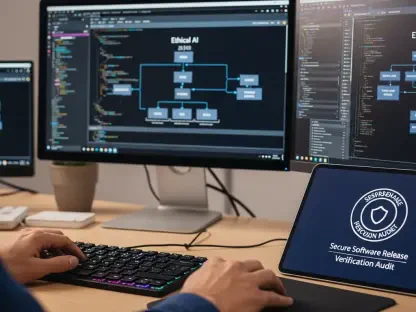
Parallel to these technological advancements is the rising tide of global regulations regarding software accountability and security, which has become a primary focus for enterprise architects. The introduction of new compliance standards necessitates a proactive rather than reactive stance toward vulnerability management and supply chain transparency. At the heart of this discussion is the implementation of automated compliance tools that can seamlessly integrate into existing development workflows without stifling innovation. Industry leaders are now tasked with aligning their internal processes with these international mandates, ensuring that every component of the software stack is verifiable and secure. The specialized tracks at the conference provide a venue for legal experts and software engineers to translate complex regulatory language into actionable engineering practices. This synergy is essential for maintaining trust in digital ecosystems, as the cost of non-compliance and security breaches continues to escalate. By prioritizing these regulatory frameworks today, organizations can build a sustainable foundation that will withstand the scrutiny of future audits and the evolving demands of the global market.
Advancing Developer Tooling and Cloud Architectures
The legacy of established development environments continues through the Open Community for Tooling, which emphasizes the transition toward AI-assisted workflows and modern integrated development environments. As the complexity of distributed systems grows, the need for sophisticated modeling frameworks and intuitive developer tools becomes even more pronounced. The current focus is on creating extensible platforms that support the next generation of cloud-native architectures, allowing developers to move fluidly between local environments and massive scale-out infrastructures. This transition is supported by advancements in enterprise Java and edge computing, where the goal is to provide a cohesive experience regardless of the deployment target. By refining these tools, the community empowers individual contributors and large-scale enterprises alike to manage the cognitive load associated with modern software development. The emphasis remains on lowering the barrier to entry for complex technologies while ensuring that power users have the precision and flexibility they require. This balance is critical for sustaining the health of the open-source ecosystem, as it encourages broader participation and drives the continuous improvement of the collective toolkit used by millions.
The expansion of the technical agenda reflected a deliberate effort to synchronize the diverse needs of the global engineering community with the realities of a regulated digital landscape. Stakeholders who engaged with these sessions gained a clearer perspective on how to integrate AI-assisted workflows into their existing pipelines while maintaining a commitment to transparency and security. Moving forward, the most effective strategy involved adopting a modular approach to software architecture, allowing for the rapid integration of new standards as they emerged between 2026 and 2028. It was also recommended that organizations invest heavily in internal governance models that align with the open-source community’s best practices to ensure long-term sustainability. By prioritizing the development of software-defined systems and automated compliance mechanisms, teams positioned themselves to lead in an environment where speed and security were no longer mutually exclusive. The focus shifted toward creating resilient, scalable solutions that leveraged collective intelligence to solve individual corporate challenges. Ultimately, the insights gained from this gathering provided a definitive blueprint for navigating the technical and regulatory hurdles of the current decade, ensuring that innovation remained both ethical and impactful.