
The completion of the second phase of the Beacon Point project is scheduled for the second quarter of 2028, further solidifying the firm’s long-term outlook. This strategic development marks a decisive shift from cryptocurrency mining toward the rapidly expanding sector of high-performance computing and artificial intelligence. As the global demand for computational power continues to outpace supply, the repurposing of existing industrial infrastructure has become a critical competitive advantage. The transition involves not just a change in hardware but a complete reimagining of how energy is converted into digital intelligence. By 2026, the company has already integrated advanced GPU clusters into its portfolio, moving away from the narrow margins of digital asset extraction. This $19.6 billion valuation pivot reflects a broader market recognition that the future of large-scale data centers lies in their ability to support generative models and complex enterprise workloads. The focus is now on creating a resilient ecosystem that can withstand the energy requirements of next-generation silicon.
Technical Transformation: The Pivot to AI Hardware
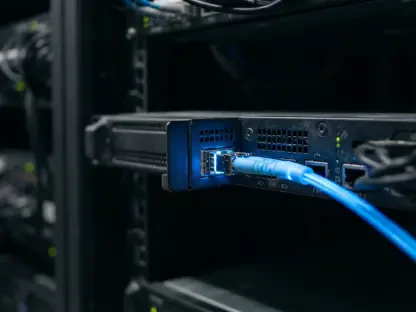
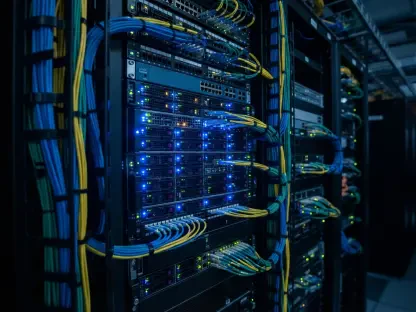
The migration toward high-density computing requires a fundamental redesign of traditional data center layouts to accommodate the power draw and heat production of modern AI chips. Unlike specialized mining equipment, the latest graphic processing units used for machine learning require sophisticated interconnects and high-bandwidth memory environments. This shift has led to the implementation of state-of-the-art networking fabrics that minimize latency between thousands of individual nodes. In 2026, the ongoing deployment of these systems highlights the technical complexity of maintaining uptime while pushing the limits of silicon performance. Infrastructure engineers are focusing on modular designs that allow for the seamless addition of new capacity as the second phase of the Beacon Point project progresses. These modular units are pre-configured to support the most demanding AI training sessions, offering a plug-and-play solution for enterprise clients who need immediate access to massive compute resources without the long lead times of traditional builds.
Part 1. Thermal Management and Infrastructure Scalability
Effective cooling remains one of the most significant engineering hurdles when transitioning from legacy mining operations to modern AI infrastructure. The heat density of a standard server rack has increased dramatically, necessitating a shift from traditional air cooling to more efficient liquid-to-chip or immersion cooling technologies. By adopting these advanced thermal management systems, the facility can operate at much higher efficiencies, reducing the overall power usage effectiveness ratio. This is particularly important for the expansion scheduled through 2028, as higher temperatures can lead to thermal throttling and reduced hardware longevity. The integration of closed-loop liquid cooling not only protects the massive investment in GPU hardware but also allows for a more compact footprint, enabling higher compute density per square foot of real estate. As a result, the firm is able to maximize the utility of its existing land and power permits, creating a highly efficient environment that meets the rigorous standards required by modern hyperscalers and specialized AI developers.
Energy Strategy: Managing Power for High-Density Compute
Securing long-term access to stable and affordable electricity is the cornerstone of any successful infrastructure pivot in the current technology landscape. The organization has utilized its historical expertise in energy-intensive operations to negotiate favorable power purchase agreements that provide a competitive edge over newer entrants. By acting as a flexible load on the electrical grid, these data centers can perform demand response functions, reducing consumption during times of peak stress and supporting overall grid stability. This capability is becoming increasingly valuable as more renewable energy sources, which are inherently intermittent, are added to the national power supply. Between 2026 and 2028, the strategic focus is on deepening these utility partnerships to ensure that the expansion of the Beacon Point site does not place undue burden on local communities. This approach turns a potential liability—massive energy consumption—into a strategic asset that benefits both the company’s bottom line and the reliability of the regional power infrastructure.
Part 2. Evolution of Sustainable Computational Ecosystems
Stakeholders evaluated the progress made during the initial transition phase and recognized the long-term value of integrating sustainable energy practices into the core business model. The pivot required a rigorous alignment with carbon-neutral goals, which led to the prioritization of hydroelectric and nuclear power sources for all new computational clusters. Leadership observed that the successful deployment of these green energy strategies provided a significant advantage when competing for contracts with major technology firms. They implemented advanced software orchestration layers that allowed for the dynamic allocation of workloads based on real-time energy availability and cost. It was clear that the ability to provide high-performance compute at scale while maintaining a low carbon footprint became the primary driver of institutional interest. Moving forward, the most effective next steps involved exploring the potential for onsite renewable generation and energy storage systems to further insulate the facilities from market fluctuations. These proactive measures ensured that the infrastructure remained at the forefront of the artificial intelligence revolution.