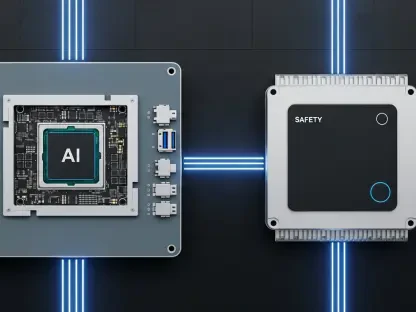

In the intricate web of the modern power grid, where a single fault can cascade into widespread outages affecting millions, a specialized guardian stands as the first and last line of defense against system failure. This guardian, the Power Systems Protection Engineer, operates at the critical intersection of physical infrastructure and digital intelligence, ensuring the seamless and safe flow of electricity that underpins modern society. As the industry evolves, driven by the integration of renewable energy sources and the demand for smarter grids, the role of this engineer has become more complex and vital than ever. It demands a unique synthesis of deep theoretical knowledge, hands-on field experience, and sophisticated software proficiency. Within this context, a company’s strategic expansion into new regions, such as the initiative in the western United States, underscores the growing need for these highly skilled professionals who can navigate the challenges of today’s and tomorrow’s power systems, all while contributing to a culture that prioritizes its people and sustainable progress.
The Technical Foundation of Grid Stability
Core Responsibilities in System Design
The primary function of a Power Systems Protection Engineer is to serve as the chief architect of a substation’s resilience, a task that begins long before any hardware is installed. This involves the meticulous design, comprehensive configuration, and rigorous testing of protective relay systems for both medium and high-voltage electrical substations. The engineer is responsible for translating abstract performance requirements into tangible, robust protection and control schemes that not only comply with stringent industry standards but are also tailored to meet the specific operational needs of each client. This process is heavily documentation-driven, requiring the creation and elaboration of critical engineering documents such as detailed Control Logic Diagrams, exhaustive Signal Lists, and clear Functional Design Specifications. These documents form the blueprint for the entire system, ensuring that every component, from circuit breakers to transformers, is monitored and controlled with precision, ready to react instantaneously to any detected anomaly or fault condition to prevent equipment damage and maintain grid stability.
Beyond the initial design phase, the engineer’s role transitions into a hands-on verification and validation capacity, ensuring the theoretical designs perform flawlessly in a controlled environment before field deployment. This is achieved through the preparation and execution of both Factory Acceptance Tests (FAT) and Site Acceptance Tests (SAT). These tests are not mere formalities; they are exhaustive simulations of real-world fault scenarios designed to push the protection system to its limits. A significant part of this responsibility includes the development of detailed commissioning scripts that guide the testing procedures, ensuring every logical pathway and protection function is thoroughly vetted. The engineer must meticulously document the results, troubleshoot any discrepancies, and certify that the system is ready for its critical mission. The success of these tests is paramount, as they represent the final quality gate before the protection and control system is entrusted with the safety and reliability of a multi-million dollar substation and the power grid it supports.
The Engineer as a Client-Facing Expert
A crucial dimension of this engineering role extends far beyond the design office and testing lab; it is fundamentally a customer-facing position that requires exceptional communication and problem-solving skills. The Power Systems Protection Engineer often acts as the primary technical liaison, bridging the gap between the project team and the end client. In this capacity, they are responsible for providing direct troubleshooting and commissioning support, often under high-pressure situations where a swift and accurate resolution is essential. This involves not only diagnosing and fixing complex technical issues with protective relays and communication systems but also clearly explaining the nature of the problem and the implemented solution to clients who may have varying levels of technical expertise. This direct interaction is vital for building trust, ensuring customer satisfaction, and gathering valuable feedback that can inform future designs and product improvements, making the engineer a key ambassador for the company’s technical capabilities.
The demanding nature of providing on-site support necessitates a significant commitment to travel, with engineers spending approximately 50-75% of their time at client locations nationwide. This itinerant lifestyle is central to the role, as the most complex challenges in substation commissioning and troubleshooting can only be solved with an expert physically present. Each site visit presents a unique set of variables, from legacy equipment to novel grid configurations, requiring the engineer to be highly adaptable and resourceful. Working directly on-site involves collaborating closely with utility crews, construction contractors, and other project stakeholders, demanding strong interpersonal skills and the ability to lead technical efforts in a dynamic field environment. This constant movement and exposure to diverse systems across the country not only resolves immediate customer issues but also builds an invaluable reservoir of practical experience that enhances the engineer’s expertise and makes them a more effective designer and problem-solver in the long run.
Defining the Ideal Candidate Profile
Essential Qualifications and Expertise
The foundational requirements for a Power Systems Protection Engineer are built upon a solid academic and experiential base in electrical engineering. A candidate must possess a bachelor’s degree in a relevant discipline, such as electrical, electronics, or computer science engineering, to ensure they have the necessary theoretical grounding in power systems principles. However, academic knowledge alone is insufficient; it must be complemented by a minimum of three years of direct, hands-on engineering experience specifically in the domain of power protection for electrical substations. This practical experience is critical for understanding the real-world application of protection theories. Furthermore, a core competency for this role is the ability to proficiently interpret complex technical drawings, including DC and AC schematics, as well as three-line and one-line diagrams. These documents are the language of substation design, and fluency in reading and understanding them is a non-negotiable skill for designing, troubleshooting, and commissioning protection systems effectively.
Complementing the foundational engineering knowledge is a required proficiency with the specific technologies that govern modern substation automation. A qualified candidate must have a working knowledge of at least one major protective relay product line, whether it be from Siemens, GE, SEL, or ABB, including familiarity with its associated configuration software. This ensures the engineer can immediately begin working with common industry hardware. In today’s interconnected substations, expertise in communication protocols is equally important. Experience with common standards such as IEC61850, which enables high-speed, interoperable communication between intelligent electronic devices, is essential. Additionally, familiarity with other prevalent protocols like DNP and Modbus is necessary for integrating with a wide range of legacy and modern equipment. This combination of hardware-specific knowledge and protocol fluency is what allows an engineer to design and implement cohesive and reliable protection and control systems that function as a single, intelligent unit.
Preferred Skills for Advanced Application
While the baseline qualifications establish a competent engineer, preferred candidates are distinguished by the depth and breadth of their practical experience. A highly desirable attribute is extensive, hands-on involvement in designing, configuring, and troubleshooting protection relay applications across the full spectrum of a power system, including low, medium, and high-voltage substations. This demonstrates a versatility and a deep understanding of how protection philosophies and challenges change with different voltage levels and equipment types. An engineer with this level of experience is better equipped to handle a wider variety of projects, from industrial distribution systems to major transmission substations, and can anticipate and solve more complex and nuanced protection challenges. This comprehensive background signifies a seasoned professional who has moved beyond theoretical application to master the art of power system protection in diverse and challenging real-world environments.
To further elevate a candidate’s profile, specific expertise with proprietary technologies and advanced software tools is a significant advantage. Direct, in-depth proficiency with Siemens’ own digital protection relays, particularly the advanced Siprotec5 family, is highly sought after. This is ideally paired with mastery of the corresponding engineering software, Digsi 5, which allows for efficient configuration, testing, and commissioning of these sophisticated devices. Beyond specialization in one platform, the ideal candidate would also possess broader programming skills and a working knowledge of a wider array of industry-standard relay configuration tools from other major manufacturers, such as SEL AcSELerator or GE EnerVista. This diverse software toolkit indicates a highly adaptable engineer who can seamlessly integrate multi-vendor systems and is not constrained by a single technological ecosystem, making them an invaluable asset on complex projects involving a mix of different equipment.
The Architect of Resilient Grids
The search for this specialized engineer ultimately defined a professional who was more than a technician; it outlined the profile of a modern grid guardian. The ideal candidate was identified as a multifaceted expert who blended the precision of an electrical engineer with the practical skills of a field technician and the communication finesse of a technical consultant. The process highlighted that protecting the nation’s critical power infrastructure required a deep synthesis of skills—from interpreting intricate schematics and configuring complex digital relays to leading high-stakes commissioning tests on-site. The stringent qualifications underscored a clear industry trend: as power grids became more automated and interconnected, the professionals tasked with protecting them needed a far more diverse and sophisticated skill set than ever before. This blueprint for the ideal Power Systems Protection Engineer served as a clear indicator of the capabilities required to ensure grid reliability in an era of profound technological transformation.