
The ITI-20 transaction mandates that systems generate a structured audit message immediately whenever a user logs in or a patient record is queried. This requirement serves as the cornerstone of the Integrating the Healthcare Enterprise (IHE) Audit Trail and Node Authentication (ATNA) profile, which has become the definitive security standard for clinical data exchange in 2026. As medical ecosystems expand into globalized Health Information Exchanges (HIEs), the reliance on fragmented security protocols has proven insufficient to protect sensitive electronic protected health information (ePHI). Modern healthcare environments demand a unified approach that combines rigorous machine-level identity verification with a granular, chronological record of every interaction. ATNA addresses this by providing a technical framework that ensures data integrity and confidentiality during transmission, while simultaneously creating an immutable audit trail that satisfies the stringent demands of the HIPAA Security Rule. By standardizing how systems authenticate one another and report security events, the framework allows diverse technologies from various manufacturers to coexist within a single, secure perimeter, effectively reducing the risk of unauthorized access and data breaches in an increasingly digital landscape.
The Architectural Foundation: Exploring the Actor Model
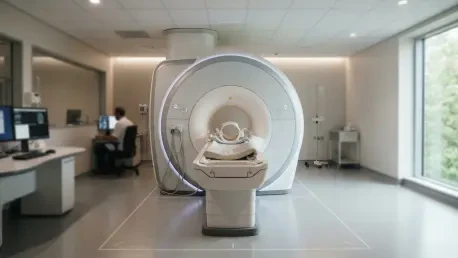
The operational strength of the ATNA profile lies in its structured actor model, which categorizes systems based on their specific security responsibilities within a network. The first primary actor is the Secure Node, which typically encompasses hardware-bound systems where security controls are managed at the host level, including the operating system and local storage. Examples of such nodes in a clinical setting include high-resolution imaging modalities like MRI scanners or on-premises database servers that house decades of longitudinal patient data. For these systems, ATNA requires that the entire host machine adhere to strict security policies, ensuring that local logins and physical access points are as protected as the network interfaces themselves. This holistic approach prevents attackers from bypassing application-level security by exploiting vulnerabilities within the underlying operating environment, creating a robust first line of defense for critical hospital infrastructure that remains essential for daily operations.
In contrast to hardware-centric nodes, the Secure Application actor focuses on software services and microservices that may exist independently of a dedicated host machine, such as those found in cloud-native deployments. A cloud-hosted FHIR server or a containerized clinical middleware engine functions as a Secure Application, meaning it is responsible for managing its own internal audit logging and node authentication protocols. These applications must operate under the assumption that the underlying environment may be shared or dynamic, necessitating a higher level of internal security logic. Both Secure Nodes and Secure Applications must report their activities to the Audit Record Repository (ARR), which serves as the centralized digital vault for the entire enterprise. The ARR does not merely store logs but actively indexes them to allow for rapid querying and analysis. In 2026, many organizations have integrated these repositories with sophisticated security information and event management (SIEM) platforms, enabling security teams to utilize automated detection algorithms to identify suspicious patterns of behavior across thousands of disparate systems simultaneously.
Establishing Trust Through Bidirectional Transactions
Security within the ATNA framework is maintained through two mandatory transactions that govern how systems verify one another and how they document their internal actions. The ITI-19 transaction, also known as Authenticate Node, is the mechanism used to establish machine-to-machine trust using mutual Transport Layer Security (mTLS). While traditional web security often relies on one-way verification where only the server identifies itself to the client, ITI-19 mandates that both participating systems present valid X.509 digital certificates signed by a trusted certificate authority. This bidirectional verification process ensures that ePHI is never exchanged with an unverified or spoofed system, effectively neutralizing many common network-based attacks. By requiring certificates for both the sender and the receiver, healthcare organizations can maintain a high-assurance environment where every connected device is a known and trusted entity, preventing unauthorized “rogue” devices from gaining access to the clinical network.
Once trust is established between systems, the ITI-20 transaction takes over to provide a continuous record of activity through the Record Audit Event process. Every time a trigger event occurs—whether it is a clinician accessing a lab report, a system administrator updating a configuration file, or an automated process exporting patient records—the system must generate a structured message and transmit it to the ARR. These audit messages are designed to be comprehensive, answering the fundamental questions of who performed the action, what specific data was accessed, when the event occurred, and what the final outcome was. This methodology creates a permanent, chronological trail that is essential for both proactive monitoring and retrospective forensic analysis. Because these logs are transmitted over encrypted channels and stored in a central repository, they provide a tamper-evident account of system activity that is legally defensible and provides the transparency needed to maintain public trust in digital healthcare services.
Transitioning From Legacy XML to Modern FHIR Standards
The methodology for formatting and transporting audit data has undergone a significant transformation to keep pace with the technical demands of modern software development. Historically, ATNA relied on XML payloads based on legacy standards such as RFC 3881 and DICOM PS3.15, which utilized a highly structured but complex schema to describe security events. These messages were typically transmitted via “Reliable Syslog” over TLS on TCP port 6514, a method that prioritized delivery guarantees and data integrity. While this approach was effective for traditional hospital environments, the transition toward web-based applications and mobile health platforms created a need for more agile and lightweight data formats. Developers increasingly found that legacy XML structures were difficult to integrate with modern RESTful APIs, leading to a push for a more harmonized approach that aligned with emerging clinical data standards like HL7 FHIR.
The introduction of the Basic Audit Log Patterns (BALP) profile solved this modern challenge by updating the ATNA framework for the cloud era. BALP replaces the traditional XML audit messages with the HL7 FHIR AuditEvent resource, allowing developers to use the same JSON-based patterns for security auditing that they use for exchanging patient records. This shift significantly reduces the complexity of building secure applications, as software engineers no longer need to maintain separate libraries for clinical data and security logs. BALP provides specific profiles for auditing RESTful interactions, ensuring that the exact HTTP queries used to search for patient data are recorded in a searchable format. Furthermore, the use of FHIR resources enables a more patient-centric approach to auditing, making it easier for privacy officers to aggregate all access events related to a specific individual. This modernization ensures that the security infrastructure remains scalable and compatible with the latest advancements in healthcare IT, providing a future-proof foundation for data protection.
Achieving Compliance and Anticipating Future Threats
The widespread adoption of ATNA and BALP is fundamentally driven by the need to ensure regulatory compliance while maintaining the highest levels of data non-repudiation. In the United States, the HIPAA Security Rule necessitates that healthcare providers maintain comprehensive audit controls to track the movement and access of ePHI. Without a standardized framework like ATNA, organizations would be forced to manually collect and interpret logs from dozens of different vendor systems, each using its own proprietary format and nomenclature. By enforcing a common language for security events, ATNA allows privacy officers to perform an “accounting of disclosures” with precision, identifying exactly which individuals have viewed a specific patient’s record over a given period. This level of transparency is not only a legal requirement but also a critical component of risk management, as it enables organizations to quickly identify and mitigate internal threats or accidental data exposures.
Looking forward from the current landscape of 2026, the integration of ATNA with advanced identity management protocols like OAuth 2.0 and SMART on FHIR provides a complete narrative of both machine and user identity. This combined approach allows security systems to verify not just that a trusted device is accessing the network, but that the specific user on that device has the appropriate authorization to view the requested data. As healthcare organizations continue to deploy artificial intelligence to monitor these audit streams, the standardized nature of BALP logs facilitates the training of machine learning models to detect anomalies in real time. These models can identify “insider threats,” such as a staff member accessing records outside their typical clinical scope or a compromised account performing bulk data exports. By implementing these standards today, healthcare leaders have successfully established a resilient security posture that remains capable of adapting to the evolving threat landscape while ensuring that patient privacy remains a top priority. In the end, the move toward automated, FHIR-based auditing provided the necessary tools for institutions to manage their digital assets with unprecedented clarity and confidence.