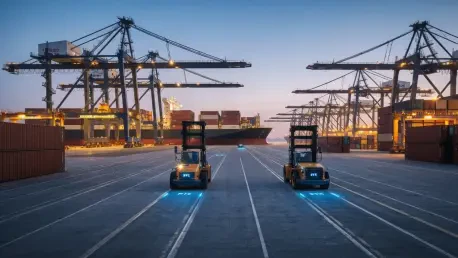

The bustling environment of a modern shipping terminal, with its constant movement of massive cranes, heavy machinery, and human personnel, presents a complex and inherently hazardous operational landscape. In response to the increasing operational complexity and a series of recent accidents that have underscored the inadequacies of conventional safety protocols, the maritime industry is undergoing a critical transition. This shift moves away from reactive, incident-based safety measures toward a more intelligent, proactive model of accident prevention. The focus is now on leveraging advanced technology to anticipate and mitigate risks before they can escalate into dangerous situations, recognizing that in such a high-stakes environment, predictive safety is no longer a luxury but an essential component of operational integrity.
A Proactive Leap in Port Safety
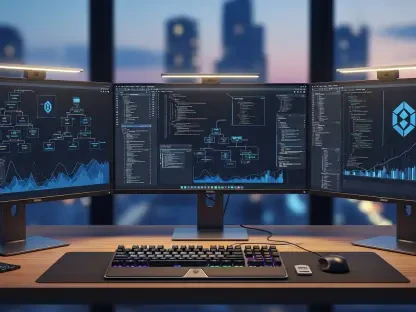
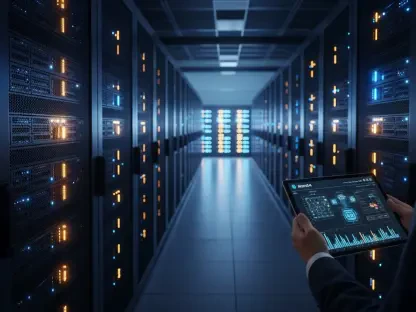
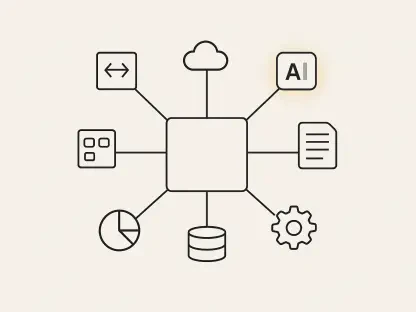
At the forefront of this technological evolution is the integration of a multi-layered, intelligent safety platform designed to create a comprehensive, real-time awareness of the entire terminal environment. This system achieves its objective by combining several cutting-edge technologies into a single, cohesive framework. The foundation of the platform is AI-powered video analytics, which continuously scans feeds from strategically placed cameras to identify potential hazards and non-compliant behaviors. This visual data is augmented by high-precision Real-Time Kinematic (RTK) positioning technology, which tracks the location and movement of both mobile equipment and personnel with centimeter-level accuracy. The final piece is the creation of a digital twin, a virtual replica of the port that mirrors real-world operations. By fusing these data streams, the system provides a unified, dynamic overview that allows it to detect collision risks and other dangerous scenarios with unparalleled speed and precision, automatically issuing immediate alerts to a central control room and directly to operators on the ground.
From Blueprint to Reality at Busan Port
The successful deployment of this advanced safety system at Busan New Port Terminal 5 marked a significant milestone in establishing a new standard for accident-free port operations. This comprehensive project involved outfitting a fleet of 70 mobile assets, including yard tractors and reach stackers, with sophisticated RTK devices to ensure precise location tracking across the terminal. Concurrently, 28 advanced AI-enabled CCTV cameras were strategically installed on 14 ship-to-shore (STS) cranes, providing critical visual coverage of the most high-traffic and high-risk areas. The system became fully operational in August 2026, culminating in the establishment of a continuously monitored work environment. This implementation not only enhanced on-site safety by proactively mitigating collision risks but also served as a powerful case study for the global maritime industry, demonstrating the tangible benefits of integrating predictive analytics and digital twin technology to create a safer, more efficient port ecosystem.