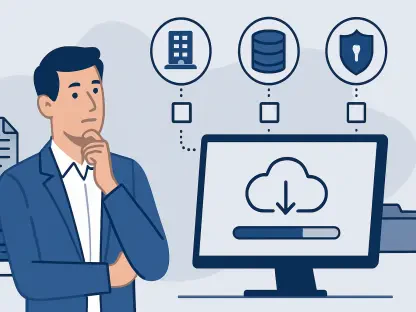

A corporate board sits in stunned silence as a Chief Information Security Officer presents a dashboard glowing with green health indicators, only to reveal that a significant data breach occurred through an unmonitored subsidiary. This scenario highlights the disconnect between the rapid adoption of automated Governance, Risk, and Compliance (GRC) systems and the strategic clarity required for high-level executive decision-making in the current landscape. While these tools excel at continuous control monitoring, they frequently fail to translate raw data into actionable business intelligence. Without context, a technical vulnerability is merely a data point, whereas to an executive, it represents a potential disruption to the supply chain or a major regulatory fine. The transition to automated workflows was intended to reduce human error, yet it has created a new type of risk: the reliance on automated signals that lack the nuance of organizational reality. A successful strategy now requires a bridge between technical signals and the strategic objectives of the entire company.
Moving Beyond the Visual Illusion of Color-Coded Dashboards
The reliance on simplistic color-coded dashboards has long been a staple of corporate reporting, yet these visuals often mask the underlying complexity of modern cyber threats. For a Chief Information Security Officer, a red indicator on a heatmap might represent a critical failure in a firewall, or it could simply be an overdue administrative task that holds no immediate threat to the production environment. When these data points are presented to a board without further explanation, they often lead to misdirected resources or unnecessary panic. Executives require a granular understanding of what a red status actually signifies in the context of revenue generation and brand reputation. The flattening of complex risk profiles into basic symbols effectively strips away the qualitative analysis that human experts provide. Consequently, many organizations find themselves checking boxes for compliance while remaining fundamentally vulnerable to sophisticated attacks that technical sensors were never calibrated to detect.
To bridge this gap, modern GRC platforms must transition away from stagnant visuals and toward a more descriptive, narrative-driven reporting style. Instead of merely displaying a status, these systems should articulate what specific changes have occurred in the threat landscape and how those changes align with strategic goals. By highlighting the relevance of a data shift, technology leaders provide a clear roadmap for what specific actions are required from the executive team or the board. This evolution allows security professionals to move away from defending the technical accuracy of their dashboards during meetings and instead focus on strategic resource allocation. When the narrative explains the “why” behind the “what,” leadership can make informed decisions based on a holistic view of the enterprise. Providing this layer of business context ensures that risk management becomes a collaborative effort across departments rather than a siloed technical exercise that lacks executive buy-in.
Maintaining Data Integrity: The Foundation of Reliable Governance
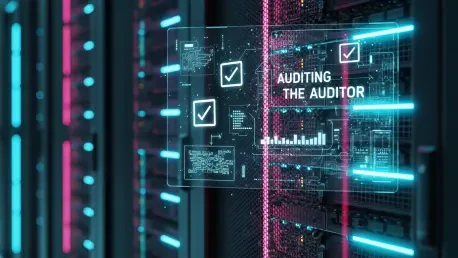
Automated governance systems are inherently limited by the quality of the data they ingest, a reality that often leads to the persistent “garbage in, garbage out” dilemma. If an automated tool pulls information from an outdated or misconfigured database, the resulting reports will be fundamentally flawed, regardless of how sophisticated the visualization looks. To mitigate this risk, security leaders have adopted a practice known as “auditing the auditor,” which involves tracing automated data signals back to their original source. This process ensures that the telemetry being reported accurately reflects the current state of the infrastructure. Trust in an automated system cannot be absolute; it must be verified through manual checks and data validation protocols. Without this layer of human oversight, there is a significant danger that false positives or negatives will lead the organization to ignore vulnerabilities while focusing on irrelevant metrics. Maintaining data integrity is a foundational requirement for any effective GRC program.
Maintaining long-term trust in automation requires a proactive approach to monitoring unexpected fluctuations in risk scores. Security teams should be just as skeptical of sudden improvements in their risk posture as they are of sudden declines, as these anomalies often point to integration errors rather than actual security gains. By investigating the root cause of every data shift, organizations ensure that their automated systems are providing a reliable reflection of the truth. This level of oversight moves the focus from a “set it and forget it” mentality to a dynamic model of continuous validation. Clear alerts must be established to notify administrators when system integrations fail or when data sources become desynchronized. By prioritizing data provenance—the history and origin of the information—companies build a more resilient governance framework. This commitment to accuracy ensures that every risk signal presented to leadership is backed by a verified process, reinforcing the credibility of the entire security department.
Bridging the Gap Between Technical Sensors and Human Judgment
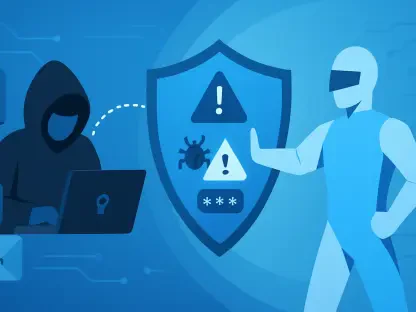
Advanced automated systems, despite their efficiency, frequently suffer from “blind zones” where technical sensors cannot perceive qualitative or human-centric risks. These gaps involve factors such as insider behavior, shifting geopolitical tensions, and instances where operational leaders might intentionally bypass a security control to meet a deadline. Because these risks are not easily quantified through standard telemetry, they remain invisible to most automated platforms until a crisis occurs. Relying solely on technical monitoring creates a false sense of security that ignores the unpredictable nature of human decision-making and global events. To address these blind spots, organizations must integrate scenario planning into their broader risk management strategy. This involves recognizing that technology only monitors what it is programmed to see, leaving a vast array of organizational factors unaddressed. Human judgment remains the critical component in identifying the unknowns that could derail an otherwise sound security posture.
Developing a mature culture of transparency requires an open acknowledgement of what automated systems can and cannot do for the organization. When the security team clearly communicates the boundaries of their monitoring tools to the board, it fosters a shared understanding of residual risk. This approach ensures that the executive team views automated data as a supportive guide rather than an absolute truth. By distinguishing between areas managed by technical sensors and those requiring executive intuition, the organization can effectively distribute its oversight efforts. This transparency also encourages a culture of shared responsibility, where business leaders understand that risk acceptance is a strategic choice. Moving forward, the most successful enterprises will be those that pair their automated GRC telemetry with regular qualitative discussions. This balanced strategy ensures that the board is never blindsided by risks that fall outside the typical technical scope of their existing governance tools.
Strengthening Strategic Resilience Through Enhanced Accountability
The practical utility of a GRC system is most evident during a high-pressure security incident, where a documented record of controls can significantly influence the response. While automated governance tools do not physically stop a ransomware attack in progress, they provide the critical visibility needed to identify where defensive layers were missing or failed. For instance, having an automated record of multi-factor authentication enrollment allows a recovery team to quickly isolate which accounts were most vulnerable during an initial intrusion. These systems also serve as an immutable ledger of accountability, documenting who owns specific risks and who authorized exceptions to standard security policies. During an audit or an investigation, this paper trail is invaluable for demonstrating due diligence to regulators. By maintaining a clear history of risk ownership, organizations ensure that accountability is not lost in the shuffle of operations. This level of structural organization turns a technical tool into a strategic asset during times of crisis.
Leading organizations ultimately realized that the value of GRC automation depended more on the integrity of the underlying data than on the aesthetic quality of the reporting interface. They shifted their primary investments toward building a robust trust layer that prioritized the history and context of every security signal. By focusing on data provenance, these firms ensured that automation was applied to workflows that were already mature and functional. This approach allowed executives to move beyond the simple monitoring of technical status and toward a comprehensive management of business impact. Decision-makers began to treat GRC platforms as a shared source of truth that facilitated better communication between technical teams and the boardroom. The emphasis on qualitative context helped bridge the gap between technical metrics and strategic objectives, leading to more resilient models. As a result, the integration of human intuition with automated telemetry provided an accurate map of the risk landscape.