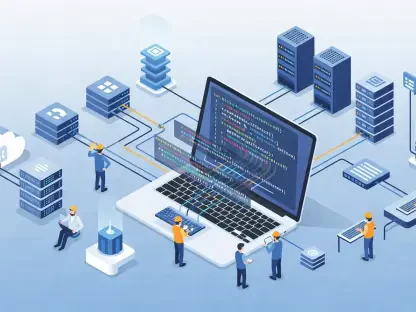

The professional landscape has shifted from asking whether artificial intelligence can perform a task to demanding that its integration remains transparent, repeatable, and rigorously accountable across all organizational levels. While individual curiosity drove the initial wave of adoption, the

The rapid proliferation of high-fidelity sensors and diverse data streams has pushed modern artificial intelligence toward a critical inflection point where traditional monolithic training regimes no longer suffice. As we navigate the technological landscape of 2026, the demand for systems that can
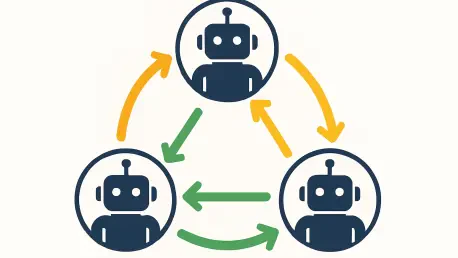
The shift from large language models as simple chat interfaces to autonomous AI agents represents the most significant transformation in enterprise software since the transition to microservices. For years, the industry struggled with the "stochastic parrot" problem, where models could talk about a

The traditional software assembly line has encountered a massive surge in raw output that is currently overwhelming the antiquated human-centric approval systems designed for a slower era of manual typing. Even as high-performance language models churn out functional code at a pace that was once

The long-standing wall between the person who dreams up a product and the person who writes the code is not just cracking; it has effectively dissolved under the weight of probabilistic computing. Traditionally, software was a series of binary certainties where a product manager defined a rule and

The traditional patient portal often serves as a static vault where medical data goes to be forgotten rather than a dynamic bridge that connects individuals to their own health journeys. For years, these digital interfaces functioned as simple, rule-based repositories that required patients to