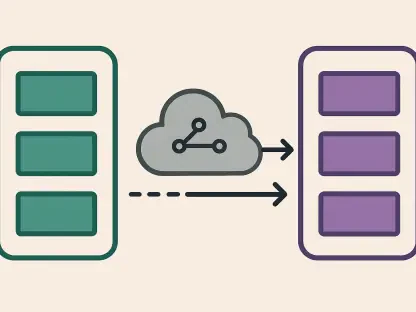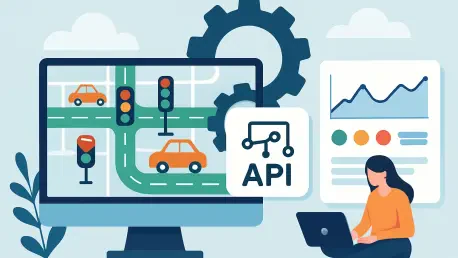

The sheer volume of fragmented API specifications within a modern enterprise can quickly turn from a technical asset into a significant operational liability. In a landscape where microservices proliferate, engineering teams often find themselves trapped between the rigid structures of legacy RAML
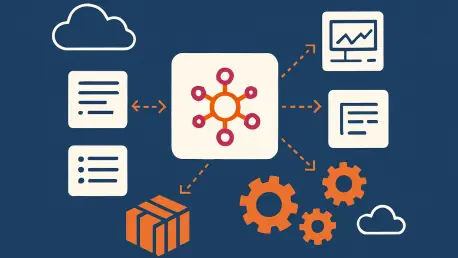
The silent failure of a single third-party payment API once forced an unsuspecting engineering team to confront a staggering $180,000 labor bill just to keep their basic operations afloat. This massive financial drain was not caused by a catastrophic security breach or a total server meltdown, but

The digital landscape remains haunted by the architectural ghost of the bearer token model which essentially functions like a physical key that grants total access to anyone who happens to hold it regardless of how they obtained it. In the traditional framework of web security, an access token

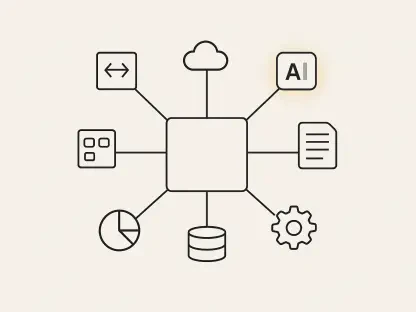
The rapid expansion of the digital workspace has transformed the average corporate infrastructure into a complex mosaic of specialized applications, yet the belief that these systems can coexist effortlessly remains one of the most persistent delusions in modern enterprise architecture. As of 2026,
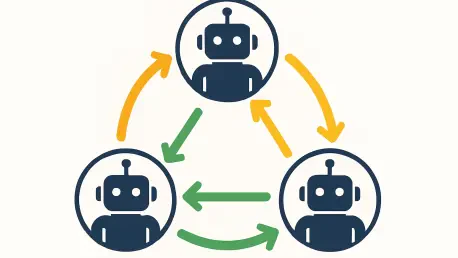
The shift from large language models as simple chat interfaces to autonomous AI agents represents the most significant transformation in enterprise software since the transition to microservices. For years, the industry struggled with the "stochastic parrot" problem, where models could talk about a

The rapid evolution of cloud-native architectures has fundamentally altered how enterprises approach the security of their application programming interfaces by moving beyond basic perimeter defenses toward sophisticated, identity-centric authorization models. In 2026, the complexity of modern